Moons might be more habitable than planets in our galaxy
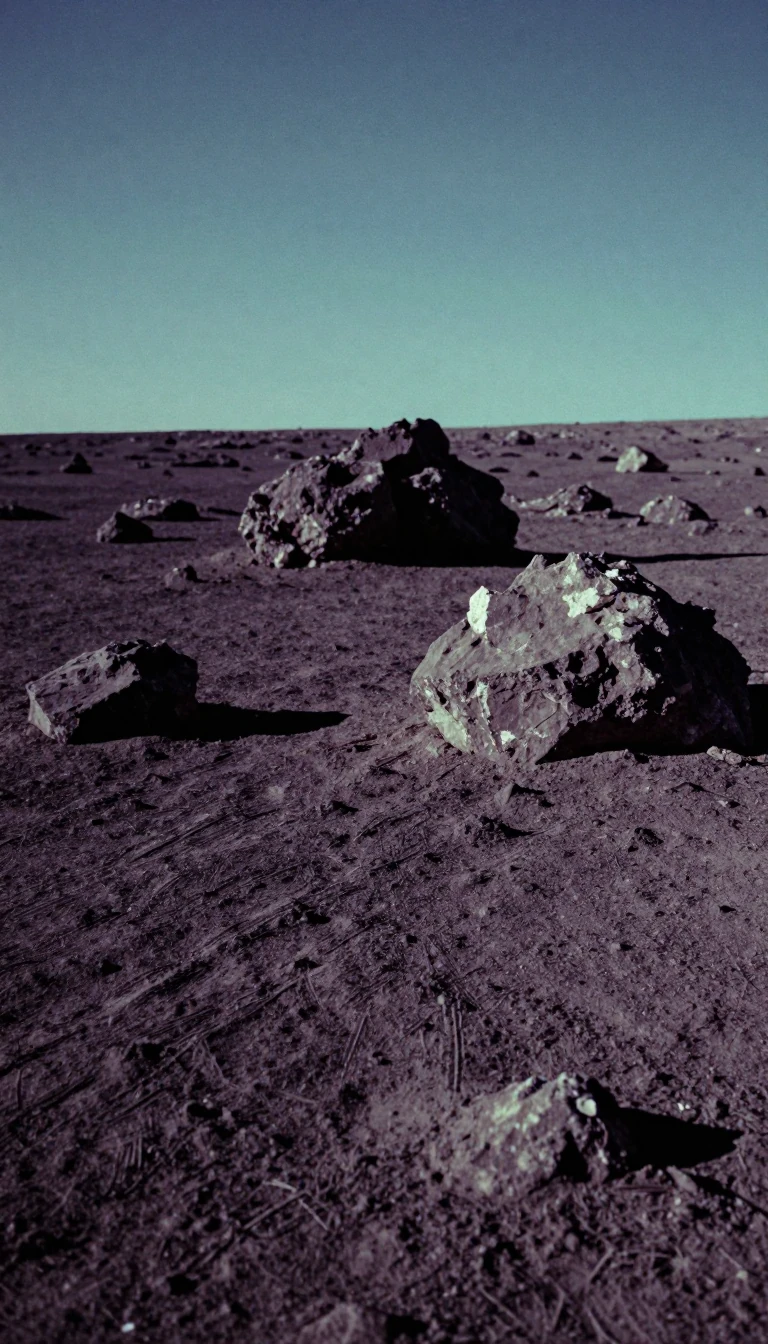
In short: Natural satellites outnumber planets by a massive margin, making them prime real estate for extraterrestrial life. While they face unique hurdles like atmospheric erosion and tidal locking, these moons could actually offer more stable climates than many Earth-like planets orbiting distant stars.
The habitability of moons is defined by a complex interplay of planetary mass, geology, and atmosphere. Unlike planets that have 'cleared their neighborhood,' most planetary mass moons are tidally locked—meaning their rotation period matches their orbital period. While this can be a disadvantage for some bodies, it may favor moons by enabling tidal heating. This process provides an alternative energy source to stellar radiation, potentially sustaining liquid water and even plate tectonics, which could generate protective magnetic fields.
Moons face significant environmental threats, particularly 'sputtering.' The magnetospheres of gas giants can erode an Earth-like moon's atmosphere in just a few hundred million years. To survive for billions of years, a moon might need to be massive—at least 7% of Earth's mass—or possess its own magnetic field like Ganymede (which has only 2.5% of Earth's mass). Alternatively, it may require constant atmospheric replenishment from subsurface sources, a mechanism observed on Saturn's moon Titan.
In the search for exomoons, scientists suggest that gas giants in habitable zones are top candidates. Because of the general planet-to-satellite mass ratio of 10,000, there could be as many habitable exomoons as habitable exoplanets. Furthermore, a tidally locked moon orbiting a planet would still experience a day-night cycle relative to its host star, potentially offering more moderate climates than a planet locked in eternal day or night.
Researchers have defined a 'circumplanetary habitable edge' to determine the minimum distance from a planet where a moon can support life. For moons at distances between 5 and 20 planetary radii, illumination and tidal heating are favorable, but the host planet's magnetosphere remains a critical variable for survival.
Opens the Intellect+ feed with this card first. Swipe up for the next one.
Sources
- Summary by Intellect · source: Habitability of natural satellites
To cite this card, link to https://intellectplus.co.uk/app/space-habitability-of-natural-satellites.
How we source, check and correct cards: Editorial standards.
General information, not professional advice. Spotted an error? Flag the card or see corrections and complaints.
Intellect Plus is a visual educational discovery platform for exploring fascinating facts and ideas. Brain Food, Not Brain Rot. What is Intellect Plus?
Related
More in Moons · More in Space · Latest · A–Z · All topics
