 Intellect Plus
Cards starting with E
1,803 cards. Page 5 of 31.
 Each hadith arrives with a chain of names meant to vouch for itA hadith is a report of something the Prophet Muhammad said, did or silently approved. Attached to each in the developed tradition is an isnad, a list of the people who supposedly…
 Each human cell packs about two metres of DNA into a six-micrometre nucleusStretched out, the DNA inside one human cell would reach roughly two metres. It fits inside a nucleus only about six micrometres across, wound around proteins called histones and …
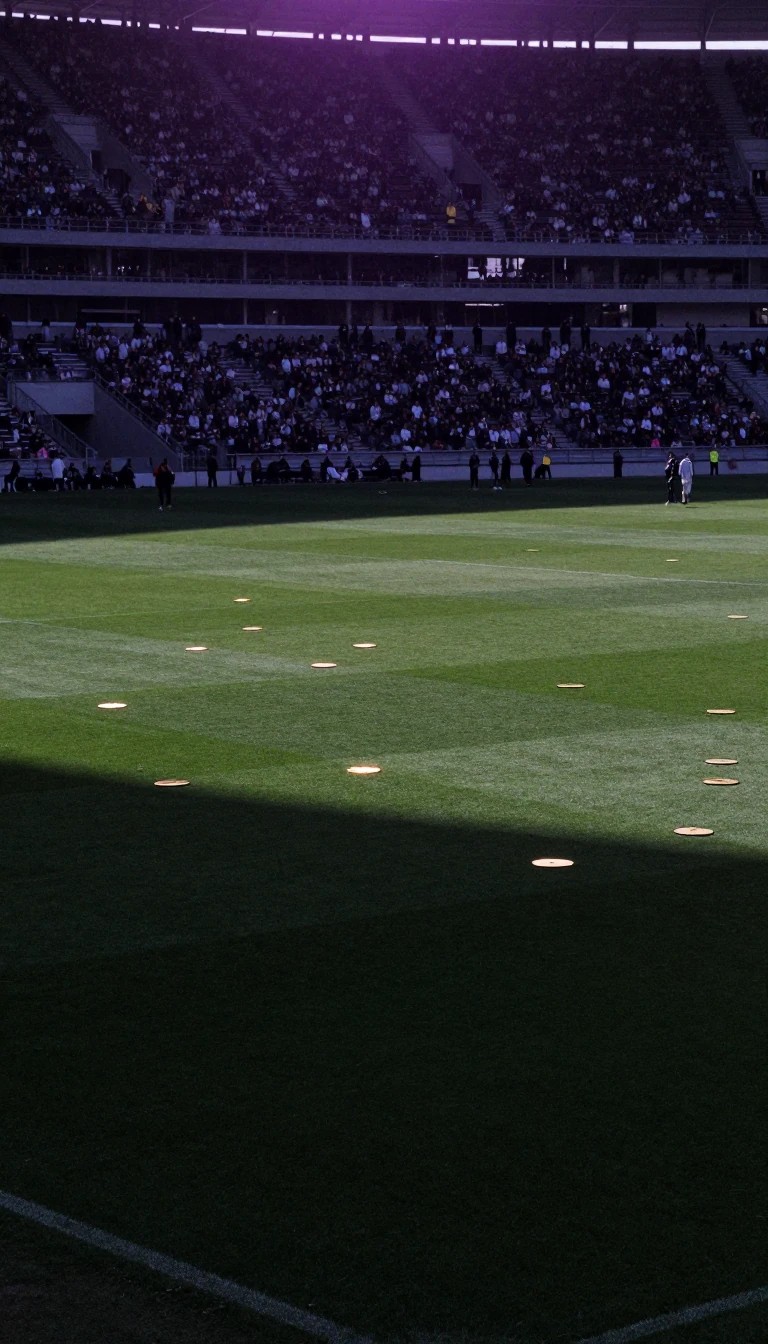 Each IPL match is now worth more than thirteen million dollars in TV rightsBorn in 2007 partly to crush a rebel competition, the Indian Premier League became the richest cricket tournament on earth. Only America's NFL earns more per match. Its franchise …
 Each of your cells holds hundreds of tiny acid-filled recycling binsLysosomes are the cell's demolition crews: sealed pouches of acid holding more than 60 digestive enzymes that break proteins, sugars and fats back into reusable parts. The design …
 Each pollen grain is a tiny organism in its own right, not a spermPollen is often described as plant sperm, but each grain is really a miniature male plant, a gametophyte that produces sperm cells. Its armour, sporopollenin, is so tough that pol…
 Each tarsier eyeball can be as big as its entire brainA tarsier's eyes are about 16 millimetres across, each as large as its brain or larger. Since the eyes cannot swivel, the tiny primate turns its head 180 degrees each way to see a…
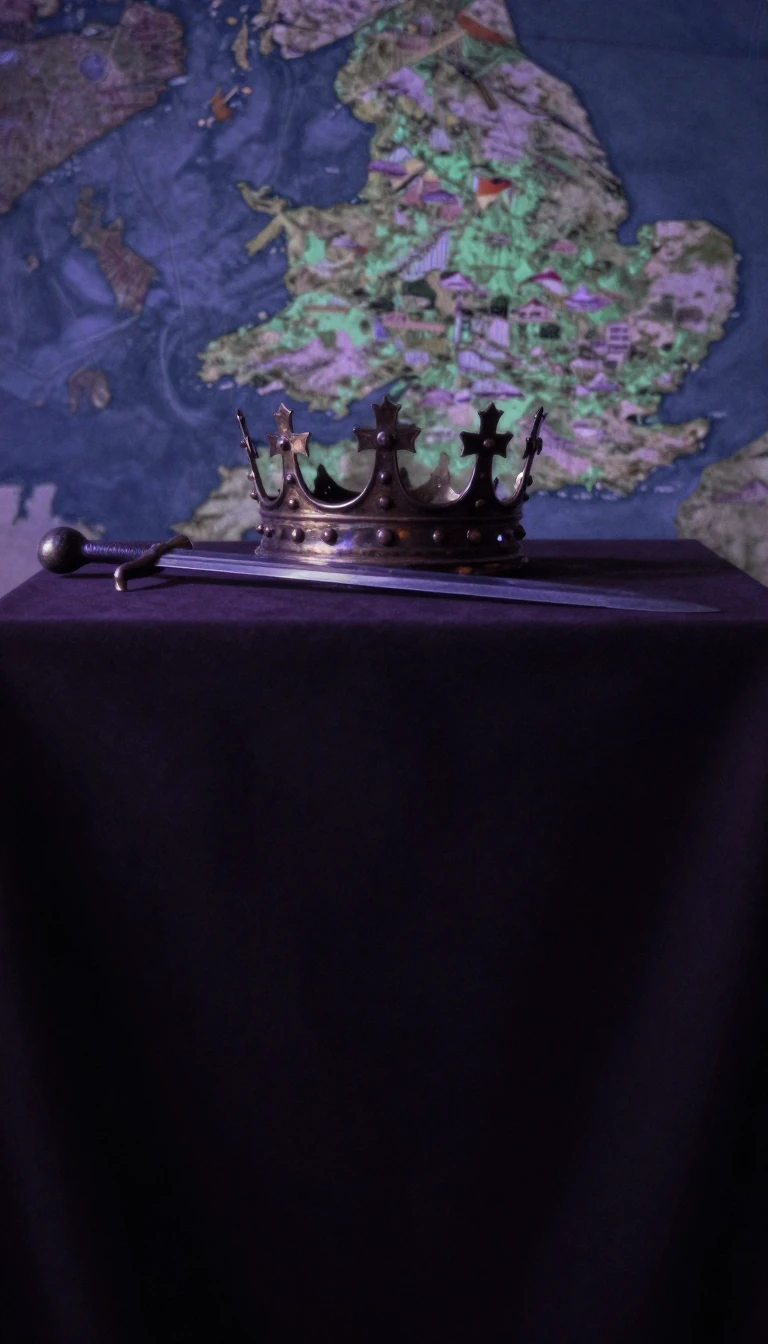 Eadred, the King who solidified England by mastering the volatile Northumbrian frontier.Succeeding his brother in 946, Eadred inherited a kingdom defined by fragile borders and Viking rivals. While his health failed him in his final years, his reign marked a pivotal …
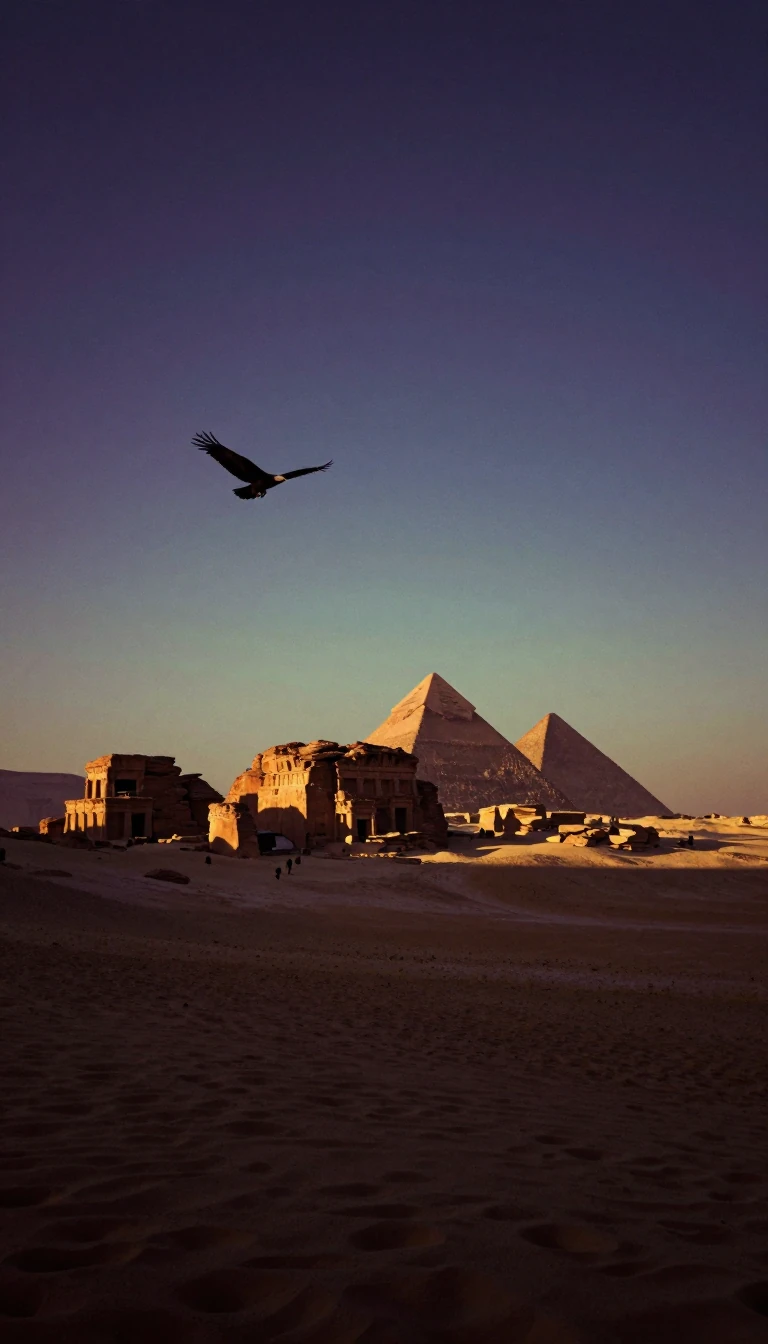 Eagle names any big enough raptor, not one neat family branchGenetically only Aquilinae are “true eagles,” yet English calls many large Accipitridae eagles, including the bald eagle. The word came through Old French from Latin aquila, repla…
 Eagle Pass: A Texas border city defined by its geography and binational historyNamed for the wingspan-like hills along the Rio Grande, this Texas city evolved from a military outpost into a vital binational hub. Today, it serves as a major gateway for trade …
 Eagle-owl females can span nearly two meters of wingThe Eurasian eagle-owl (Bubo bubo) ranks among the world's largest owls: females reach about 75 cm long with wingspans up to 188 cm, and males are slightly smaller. Striking orang…
 Ealing holds England's oldest surviving census, a tally of 85 householdsIn January 1599 someone went door to door in the Middlesex village of Ealing and listed all 85 households: every resident's name, age, relationship and job. It is the earliest Eng…
 Eannatum: The Sumerian King Who Forged One of History's First Verifiable EmpiresLong before the rise of better-known conquerors, Eannatum of Lagash transformed a local city-state into a regional powerhouse. Ruling around 2450 BC, he commanded phalanxes, subdu…
 Ear, nose, and throat surgeons stitch continents of anatomy togetherOtorhinolaryngology—ear, nose, throat, or head-and-neck surgery—manages senses and acts of breathing, swallowing, speaking, and hearing through a tube-linked system. US trainees s…
 Earl Butz transformed American agriculture, then lost his career to a single vulgar remark.As Secretary of Agriculture, Earl Butz dismantled New Deal farm programs to usher in an era of industrial, large-scale corporate farming. His mantra, get big or get out, redefined…
 Earl Scruggs transformed the banjo from a rhythmic prop into a virtuosic solo instrument.Before Earl Scruggs, the banjo was often a background rhythm tool or a comedian's prop. By perfecting a rapid, three-finger picking style, Scruggs elevated the instrument to solo …
 Earl Weaver: The fiery manager who redefined baseball strategy through logic and gritEarl Weaver never played in Major League Baseball, yet he became one of the sport's most successful managers. Known for his volatile relationship with umpires and a relentless foc…
 Earls Court hid a giant pool under its exhibition floorBeneath the main hall of London's Earls Court lay a basin 60 metres long and 30 wide. Filling it took four days and some 2.25 million gallons of water, pumped only at night to spa…
 Early AI mastered logic puzzles but stumbled over everyday common senseThe first researchers in artificial intelligence taught machines to reason step by step, the way people work through a puzzle. It turned out humans rarely think that way. Most of …
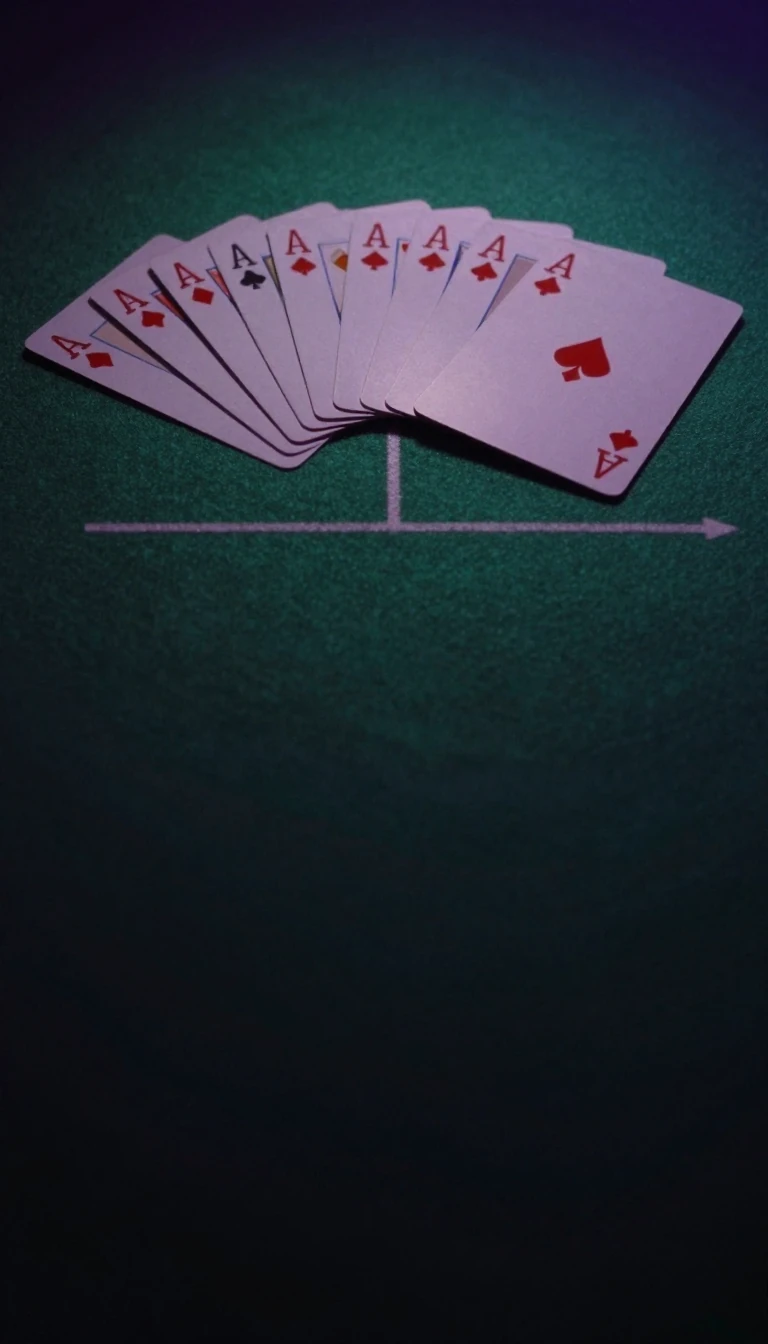 Early American poker was played with just twenty cards on river steamboatsThe poker an English actor watched on a steamboat in 1829 used a pack of only twenty cards, ranked from ace at the top down to ten. Gambling riverboats on the Mississippi and arou…
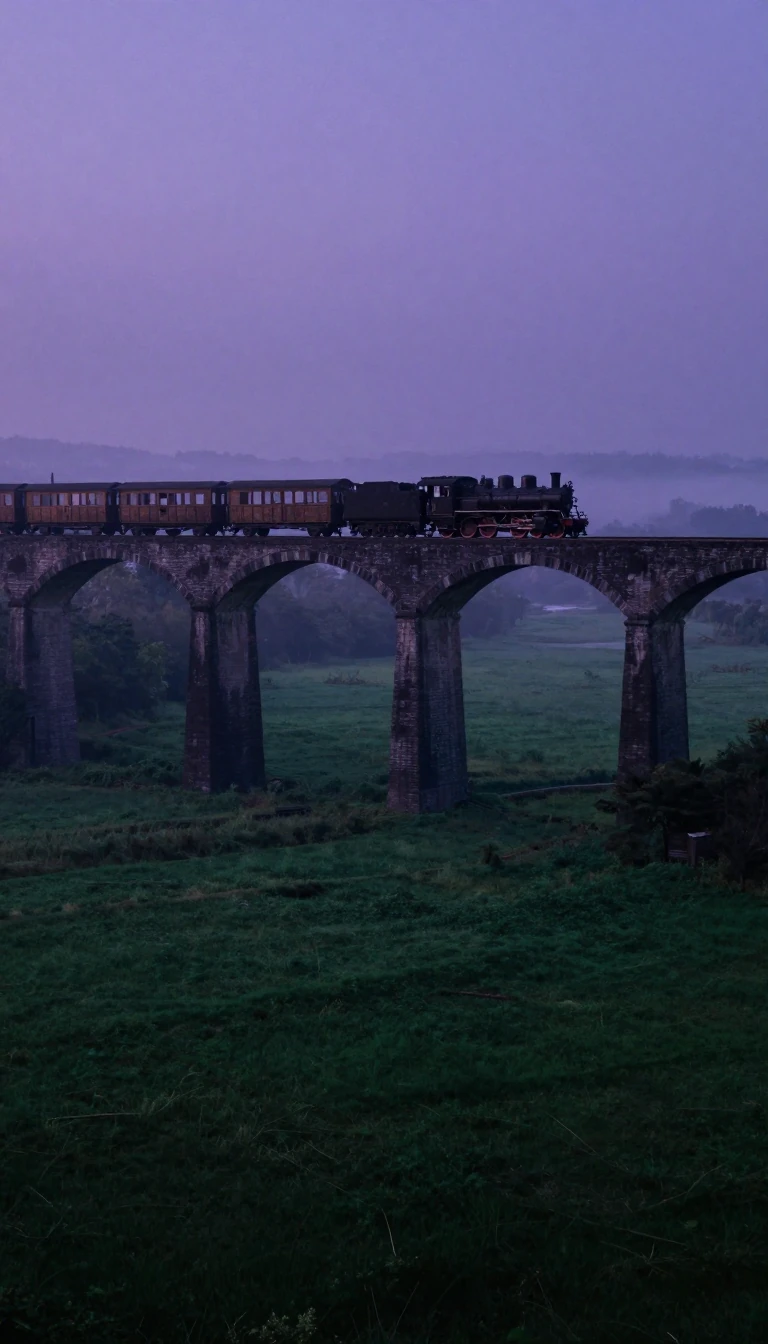 Early American rails sometimes curled up and punched through carriage floorsTo save money, early North American railroads nailed thin iron strips on top of wooden rails. The iron worked loose, curled upward and could spear into the floors of passing coach…
 Early antibody treatment significantly reduces hospitalization and death in high-risk Covid-19 patientsA phase 3 clinical trial found that the monoclonal antibody sotrovimab significantly lowered the risk of severe disease progression in high-risk patients with symptomatic Covid-19…
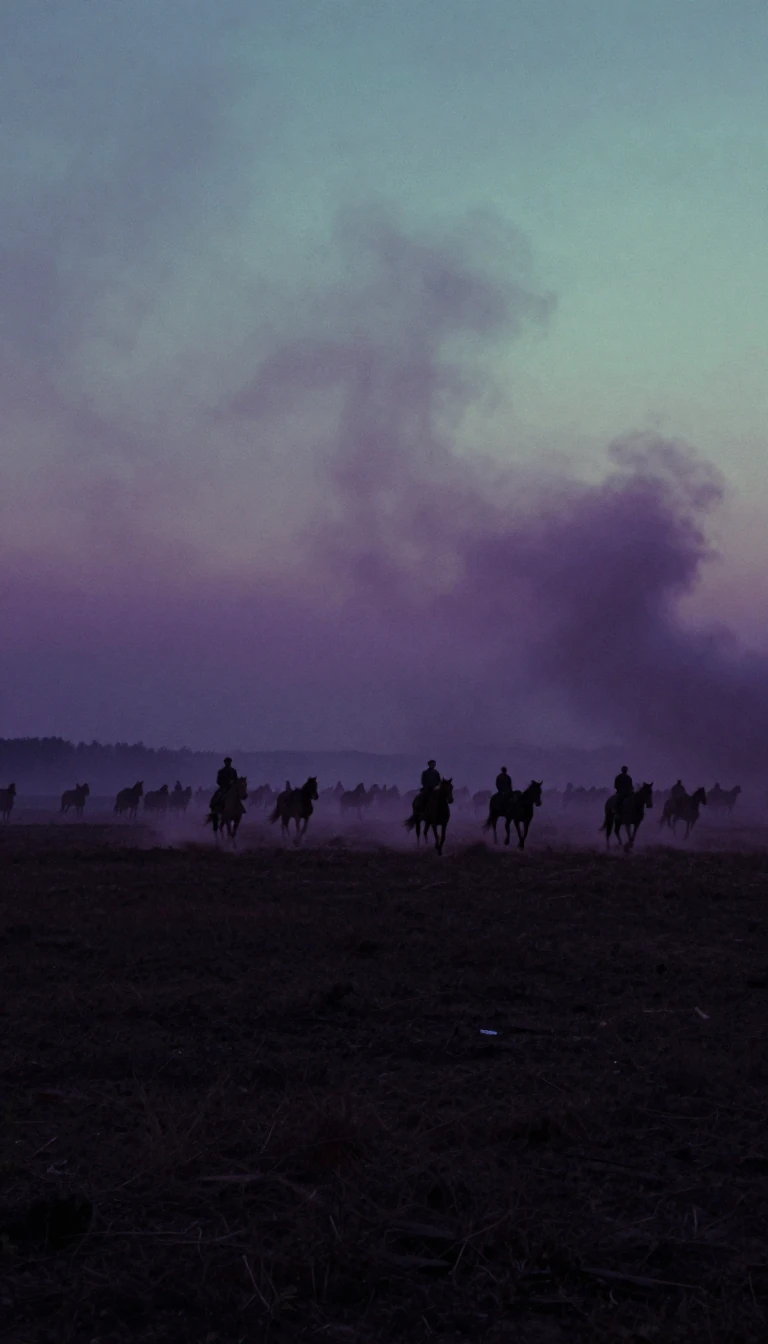 Early Assyrian horsemen rode in pairs with no saddles or stirrupsRiding a horse is one thing; fighting from one is far harder. Carvings of Assyrian cavalry from around 865 BC show riders working in pairs, one holding the reins for his neighbour…
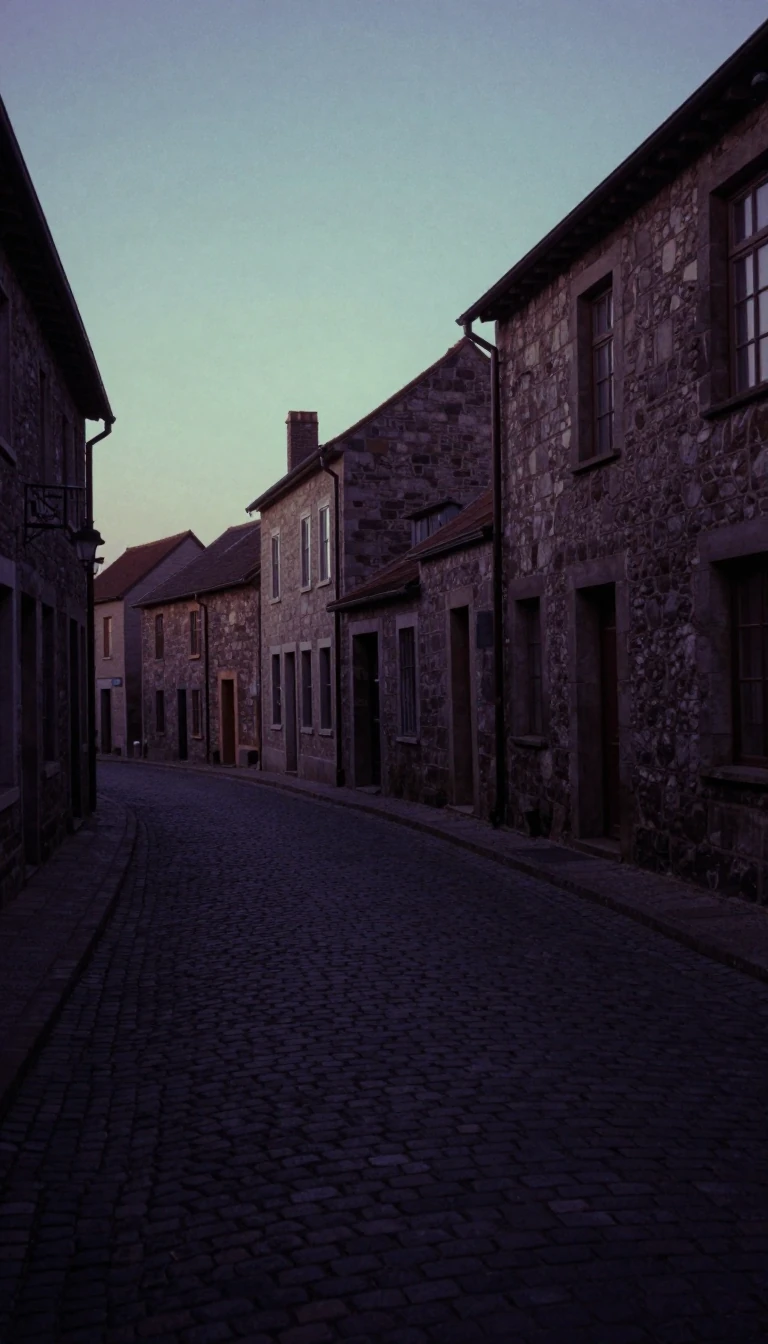 Early boots were separate pieces strapped into ankle armorBoots cover the foot and ankle, sometimes rising to the knee or even the hip, for weather, work or style, and most have a heel distinct from the sole. The first ones were separate…
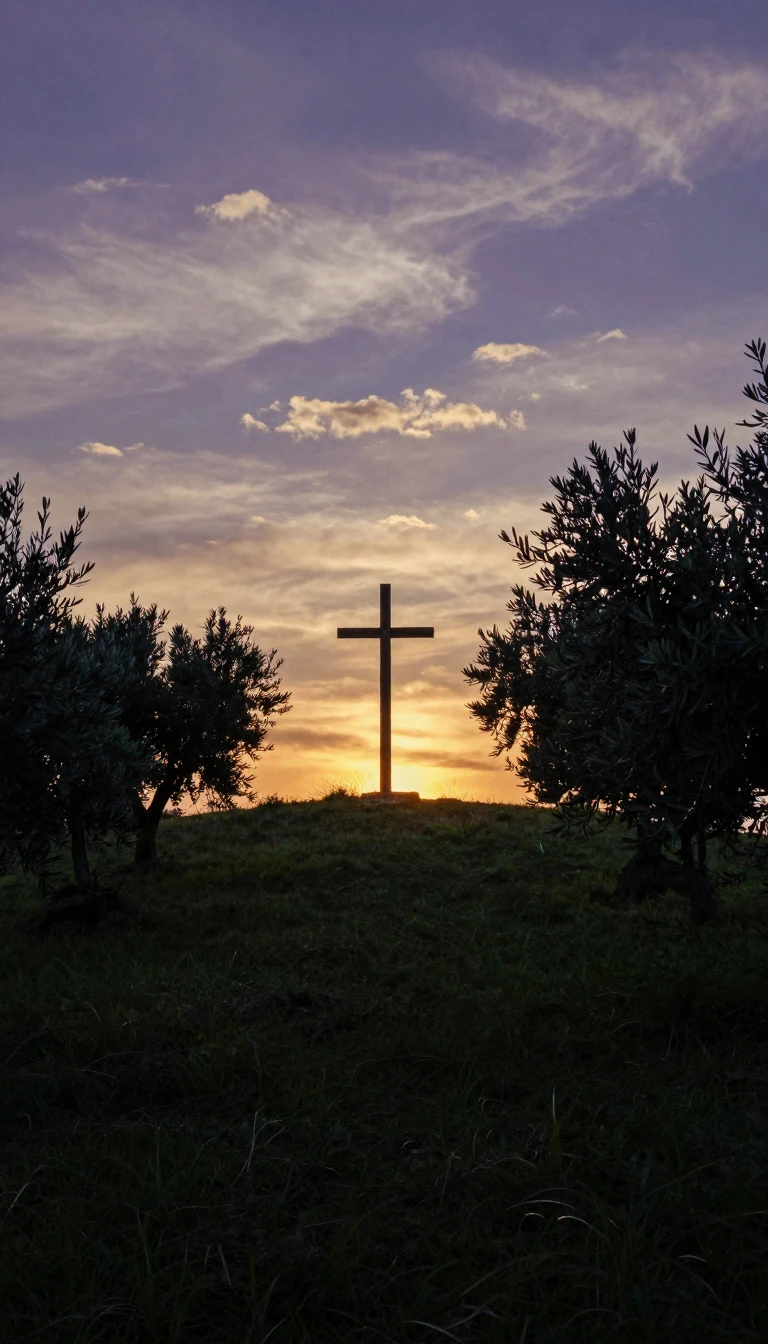 Early Christians were slow to adopt the cross as their emblemThe cross now stands for Christianity almost everywhere, yet for its first few centuries the faith used it sparingly. It recalled a deliberately agonising public execution, and op…
 Early computer users waited days for answers, and the machine never adapted to themImagine typing a program onto stiff cards, dropping the deck in a queue, and learning a day later that one typo ruined everything. In the batch era of computing, processor time wa…
 Early English jurors were chosen because they already knew the factsMedieval English juries were not neutral strangers. Jurors were recruited from the neighbourhood of a dispute precisely because they were expected to know what had happened before…
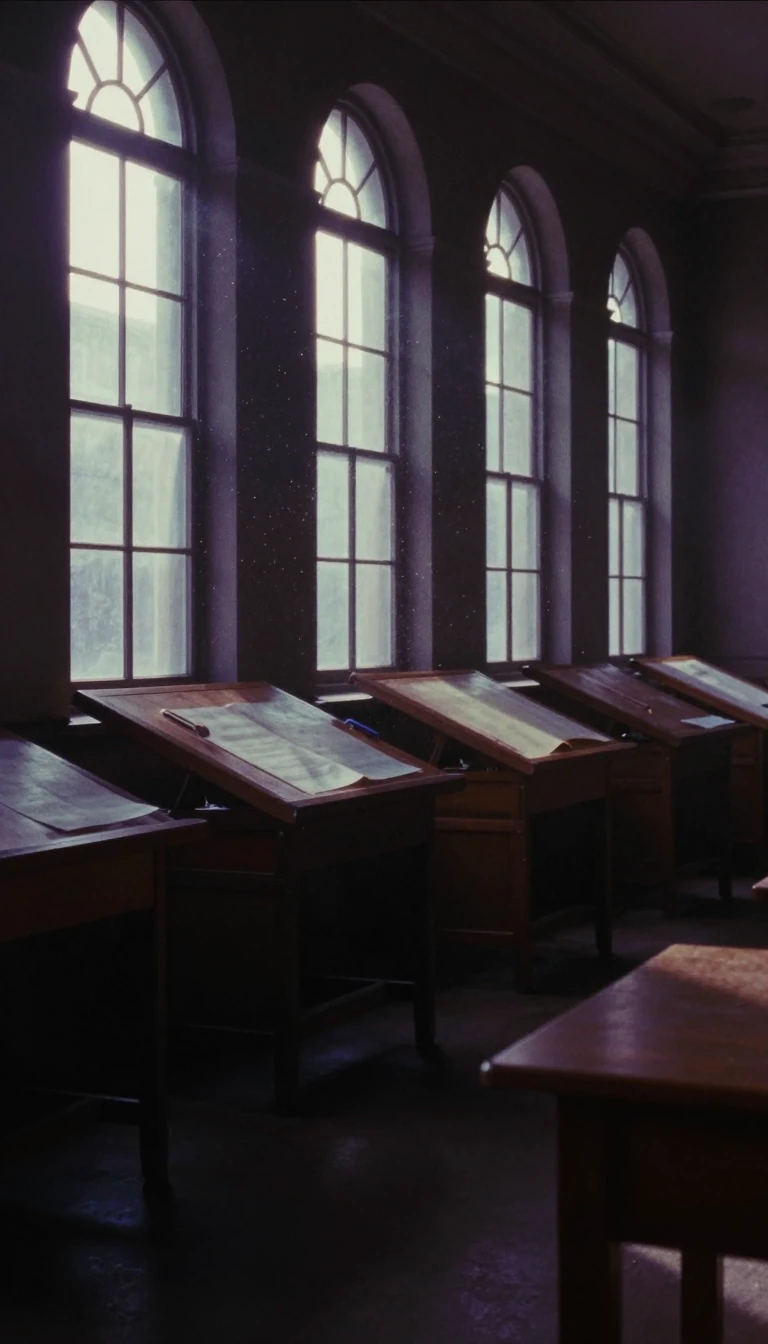 Early European windmills turned their whole body to catch the windWinds in northwestern Europe shift constantly, so the region's first windmills were balanced on a single massive upright post. Millers heaved the entire wooden building, machinery…
 Early film studios hid their actors' names to stop them asking for raisesFame feels like a Hollywood invention, yet historian Greg Jenner traces the first true celebrities to the early 1700s. Long before cinema, Lord Byron woke up famous, Liszt drove c…
 Early galaxies appear far more numerous than current theories predictAstronomers using the James Webb Space Telescope's CEERS survey searched the early universe, within its first 500 million years, for signs of galaxy formation. Using imaging data,…
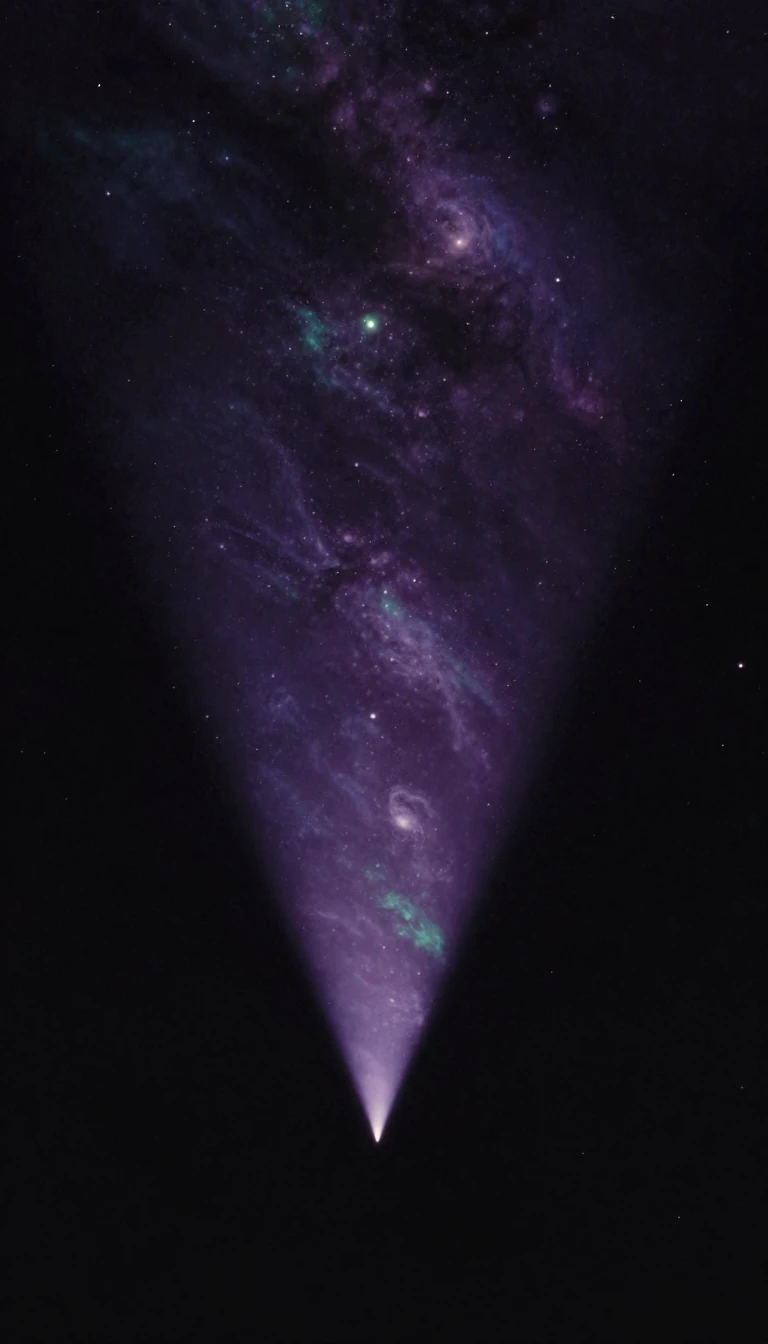 Early galaxies show a steady decline in star formation as the universe agesResearchers using the James Webb Space Telescope (JWST) and ground-based imaging have mapped the brightness of galaxies in the very early universe. By analyzing deep images of the…
- Early galaxy evolution matches predictable patterns of dark matter halo growthResearchers using Hubble Space Telescope data to analyze over 24,000 sources found that the brightness and number of galaxies from redshift 9 down to 2 follow a remarkably consist…
 Early Homo erectus inhabited high-altitude Ethiopia and used two distinct tool industriesResearchers examining an ancient infant mandible from the Ethiopian highlands found that early Homo erectus lived at high altitudes approximately 2 million years ago. The study al…
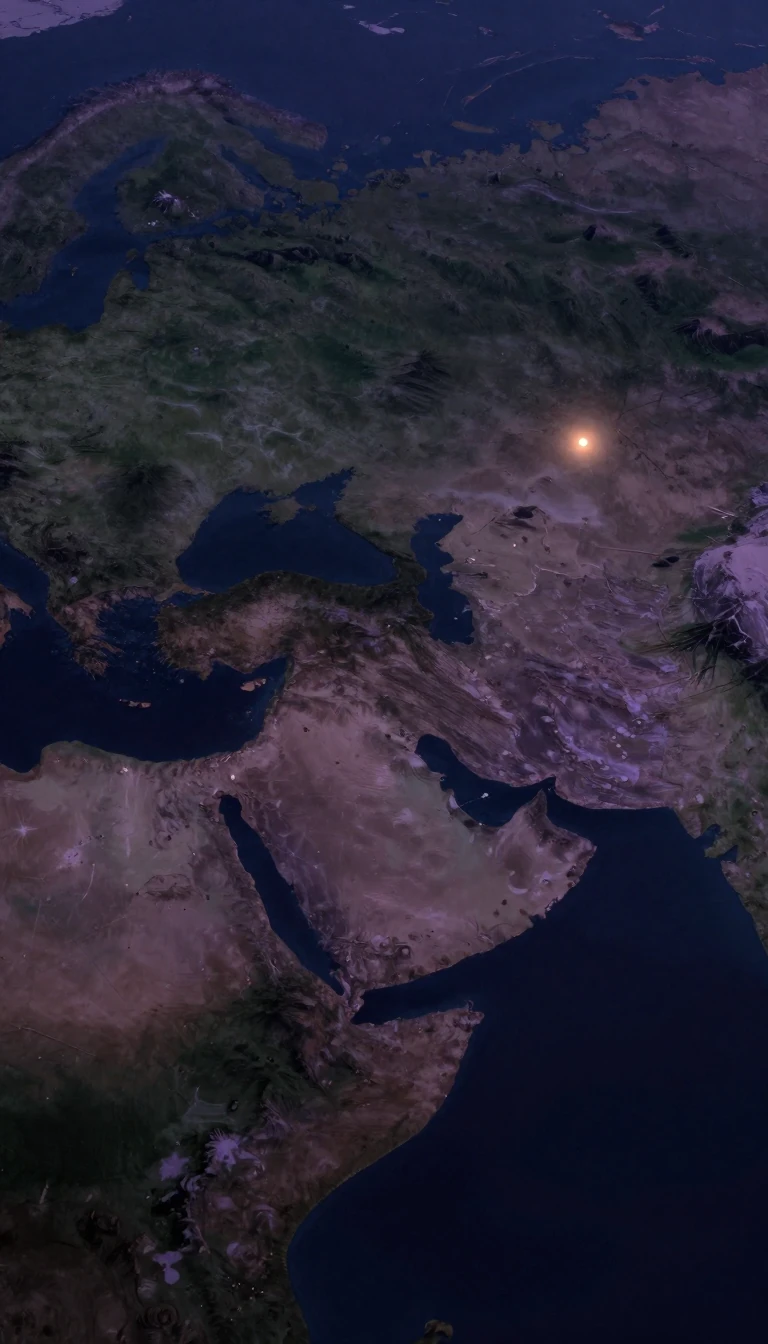 Early horse herders and the expansion of steppe cultures were genetically distinctResearchers who analyzed 74 ancient whole-genome sequences across Inner Asia and Anatolia found that early horse husbandry was not tied to the Yamnaya expansions. While the Yamnay…
 Early human activity transformed the Andean landscape into a manufactured environmentPalaeoecological records indicate that humans have inhabited the Andes for at least 14,000 years, significantly altering the region's ecosystems. Researchers found that by 12,000 …
 Early human populations used obsidian transported from distant sources for toolmakingResearchers examining the Olorgesailie basin in Kenya found that between 320,000 and 305,000 years ago, populations in eastern Africa began using obsidian sourced from far away. T…
- Early humans likely entered Europe without the habitual use of fireA review of archaeological evidence suggests that early hominins may have migrated into northern latitudes like Europe before they mastered fire. While fire was essential for surv…
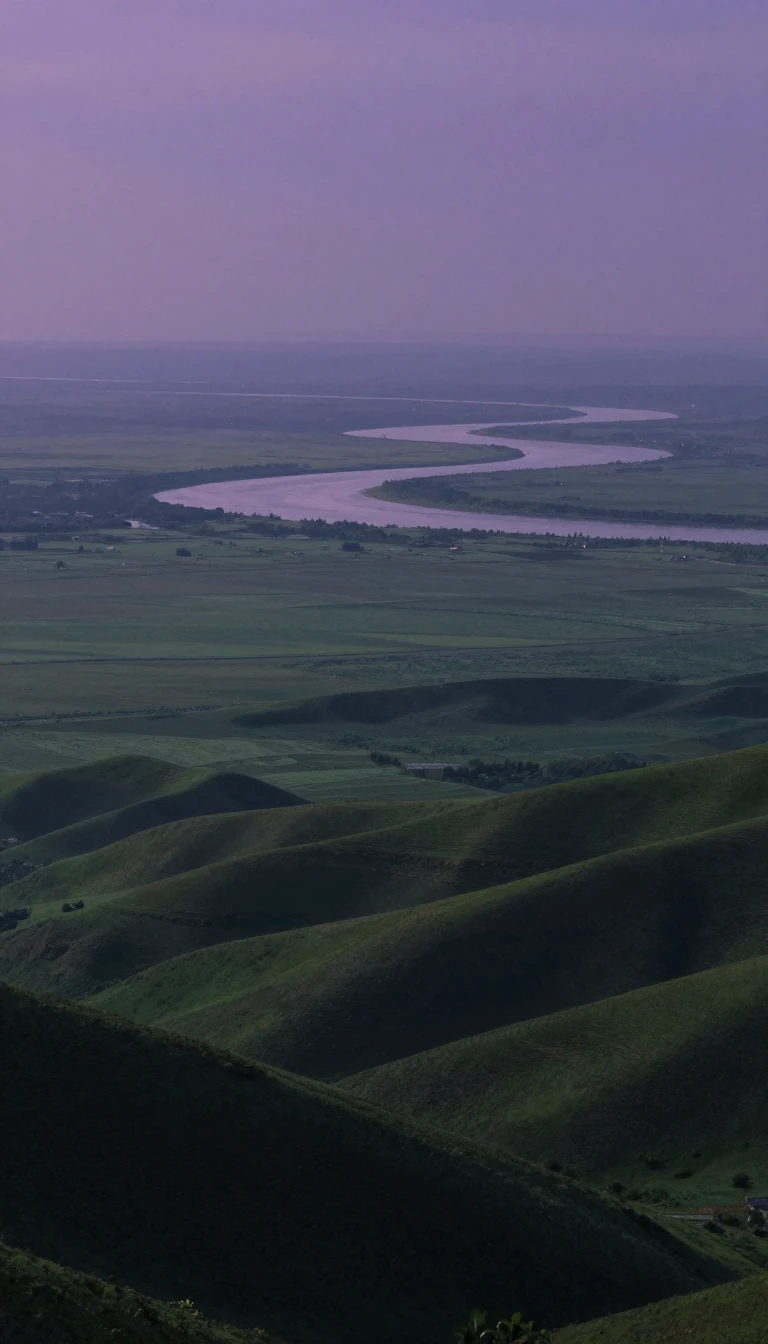 Early humans likely sought out diverse landscapes to aid their survival and migrationResearchers using Earth system models and fossil data found that early hominins were not restricted to single environments. While early African ancestors primarily inhabited open …
 Early humans manufactured spear tips much earlier than previously thoughtResearchers studying 500,000-year-old stone points from South Africa's Kathu Pan 1 site found evidence of advanced weaponry. By analyzing fracture patterns and tool modifications,…
 Early iron swords were no better than bronze; horses changed war insteadWhen ironworking reached Greece around 1300 BC, the first iron swords were no improvement on bronze ones. The bigger military shift had come centuries earlier, around 2000 BC, whe…
 Early marks may reflect physical movement rather than just symbolic thoughtResearchers exploring the origins of human intelligence suggest that early markings, like those found in Blombos Cave, were not just symbols. Instead, they argue these marks were …
 Early memory cards cost 100 dollars per megabyte and needed batteriesSome of the first PCMCIA memory cards held just 1 to 5 megabytes at around 100 dollars per megabyte, and many relied on a lithium battery to keep their contents alive. In 1992 San…
 Early minivans were deliberately sized to fit through a garage doorIn the late 1970s Chrysler set out to build a small, affordable van that drove like a car. Its 1984 Plymouth Voyager and Dodge Caravan stood six feet tall or less so they would fi…
 Early modern is a European timeline stretched worldwideHistorians roughly bracket 1500 to 1800 as early modern, a hinge between medieval and modern framed first for Europe. Starting guns vary—printing in the 1440s, Constantinople's 14…
 Early photographic film could only see blue lightUntreated silver halide crystals, the light-catching heart of photographic film, respond only to the blue end of the spectrum, so early photographs rendered some colours strangely…
 Early plasma treatment may slow Covid-19 progression in older adultsA study of 160 older adults with mild Covid-19 symptoms found that receiving high-titer convalescent plasma early in the illness reduced the risk of developing severe respiratory …
 Early Robin Hood was a yeoman, not a displaced nobleModern films cast him as a Crusade veteran robbed by Prince John. The oldest ballads make him a commoner archer devoted to the Virgin Mary, hostile to the Sheriff of Nottingham, w…
 Early stone tool techniques could be learned individually without cultural instructionResearchers who tested how humans learn to make stone tools found that early knapping techniques do not require social teaching or cultural transmission. By providing participants…
 Early stone tool use was more widespread across East Africa than previously thoughtResearchers studying ancient sites in Kenya found that the earliest Oldowan stone tools were used much further from Ethiopia than previously known. Analyzing sites dating from 3.0…
 Early strength gains come mostly from the brain, not bigger musclesWhen someone starts lifting weights, they often get stronger quickly before their muscles visibly grow. Most of that early progress is the nervous system learning to recruit and c…
- Early swords stayed short because long bronze blades simply bentFor centuries, sword makers could not make a practical blade much longer than 60 centimetres. The problem was physics: bronze is not stiff enough, so longer blades flexed and bent…
 Early watermelons were bitter, pale and grown mainly as portable waterThe first watermelons were not the sweet red slices of today. Their pale, bitter flesh was hard to open, and people valued them for storing water through the dry season. In the Ka…
 Early websites were built with tables and spacer GIFsTim Berners-Lee proposed a global hypertext project at CERN in 1989; by November 1992 the lab's site was live. Designers then bent HTML tables and blank GIF spacers into multi-col…
 Early-onset Alzheimer's is not just a disease of the elderly, affecting one in thirteen.While Alzheimer's is typically associated with aging, it can strike much earlier. About one in every thirteen people diagnosed with the condition are under sixty-five. This young-…
 Earth 3.5 billion years ago was a violent, water-covered world of microbial lifeThe Paleoarchean era, spanning 3,600 to 3,200 million years ago, offers our earliest glimpse into life on Earth. Amidst a landscape dominated by underwater crust and massive aster…
 Earth Day got its name from an ad man whose birthday was April 22Organisers of a 1970 environmental campaign had a problem: the word teach-in felt stale. Julian Koenig, the advertising writer behind Volkswagen's Think Small, came back a week la…
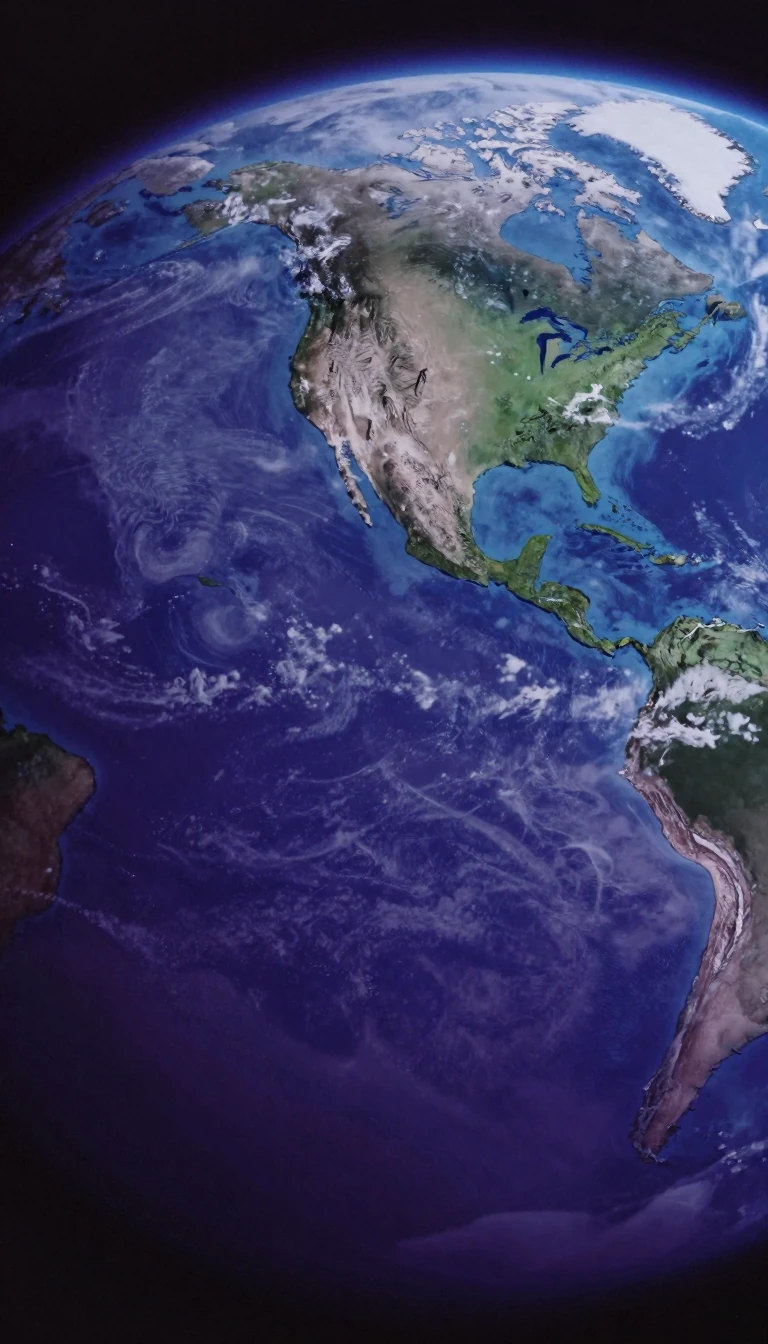 Earth has a hidden eighth continent, and it is almost entirely underwaterMost of the world's landmasses are visible, but one massive continent remains largely submerged beneath the Pacific Ocean. Known as Zealandia, or Te Riu-a-Māui, this ancient crust…
 Earth has hosted massive supermountains only twice in its entire historySupermountains are geological giants that existed for a tiny portion of Earth's timeline. This video explores how these rare formations emerged and why their brief existence appea…
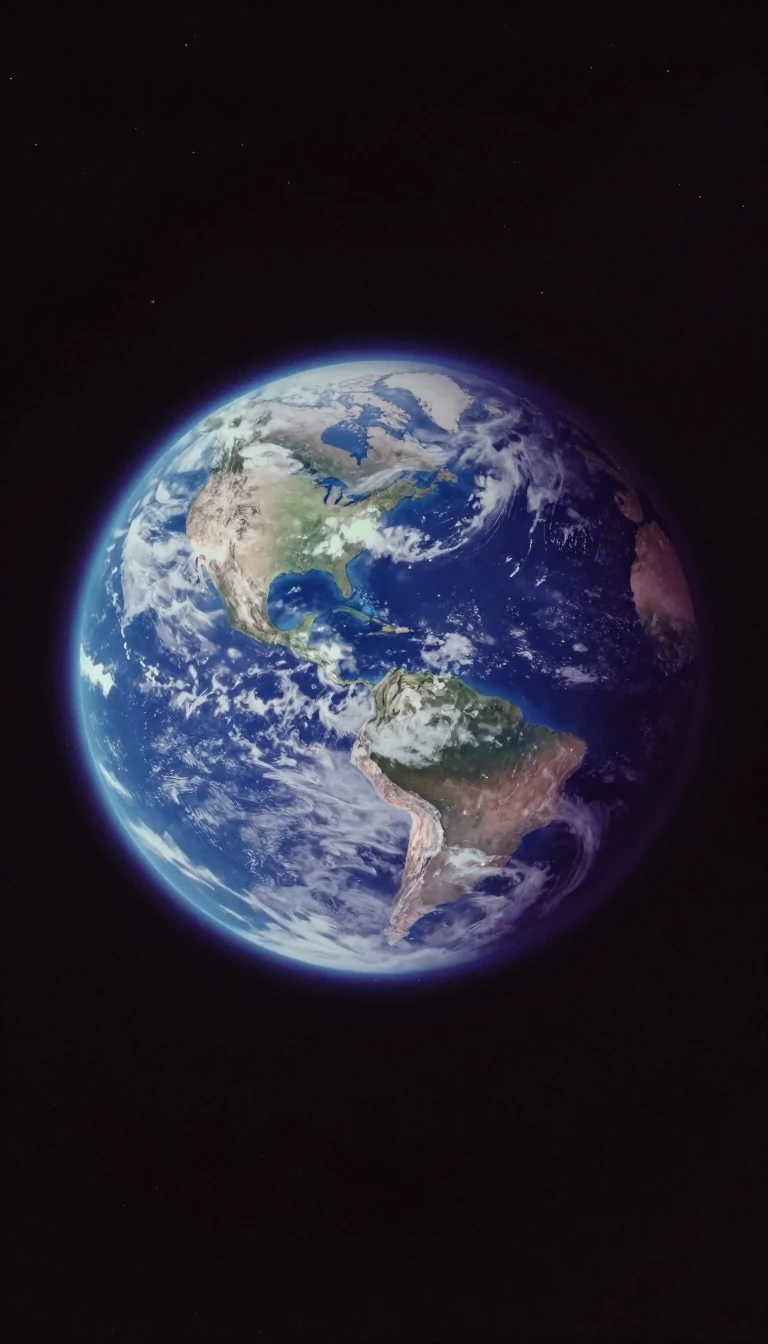 Earth holds more living cells than there are stars in the observable universeRoughly ten to the power of 30 cells are alive on Earth right now, a million times more than the estimated stars in the observable universe. Life fills this thin shell almost ever…
 Earth is a fire planet, but are we entering a new, dangerous age?This episode explores our planet's history with fire and how nature might adapt to a future defined by flame. By examining the relationship between humans, plants, and animals, th…
 Earth is a giant heat engine, and its thermostat is currently running a fever.Earth functions as a massive, solar-powered heat engine, constantly balancing incoming sunlight with outgoing thermal radiation. While this delicate equilibrium has kept our clima…