 Intellect Plus
Cards starting with E
1,803 cards. Page 6 of 31.
 Earth is currently undergoing an extinction event in real-timeWhile the dinosaur's demise 66 million years ago remains our most famous benchmark, mass extinctions are not unique historical anomalies. This video explores why these events are …
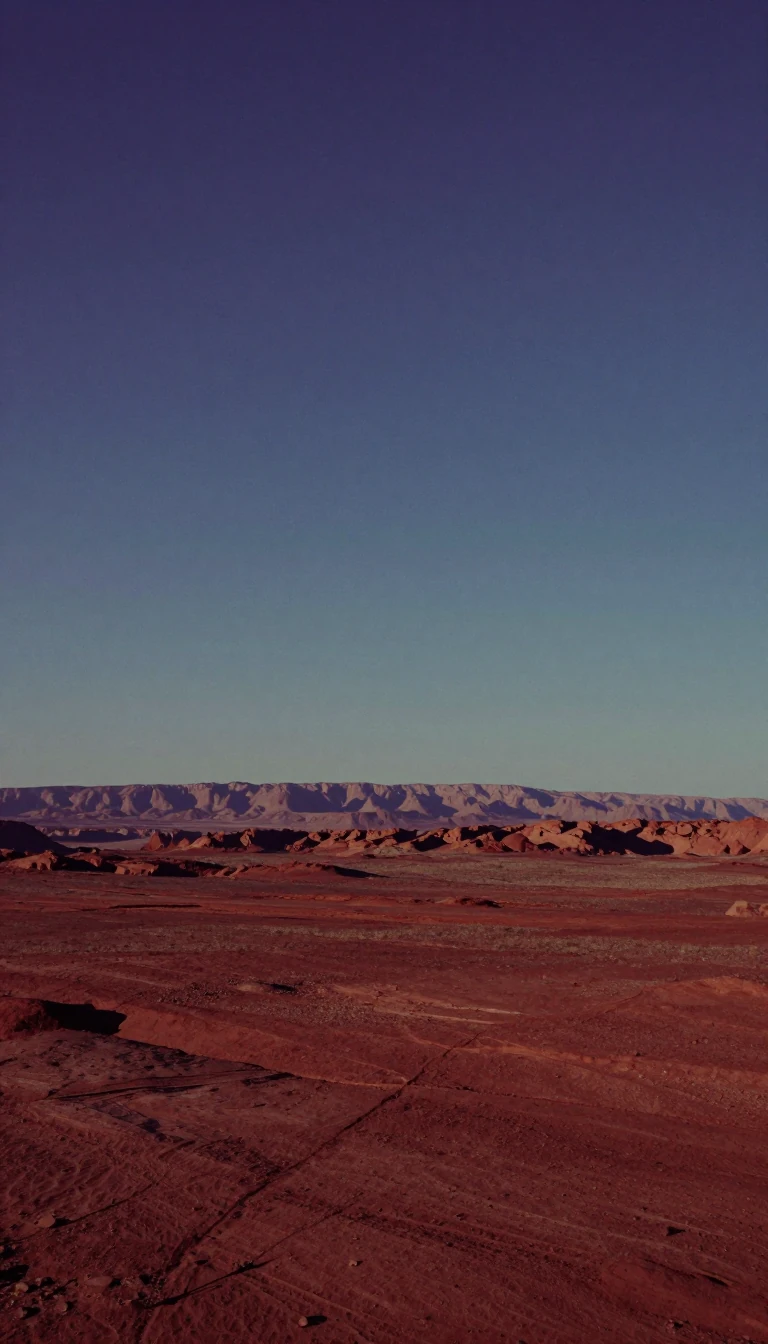 Earth is divided into two distinct halves based on the dominance of land or sea.If you could rotate the globe to maximize land coverage, you would center it on France. Flip that perspective to the opposite side of the planet, and you find a vast, watery expan…
 Earth is due for a new supercontinent in about 250 million yearsThe continents are currently drifting, caught in a massive cycle that will eventually pull them back together. This future landmass, potentially called Pangaea Ultima, could funda…
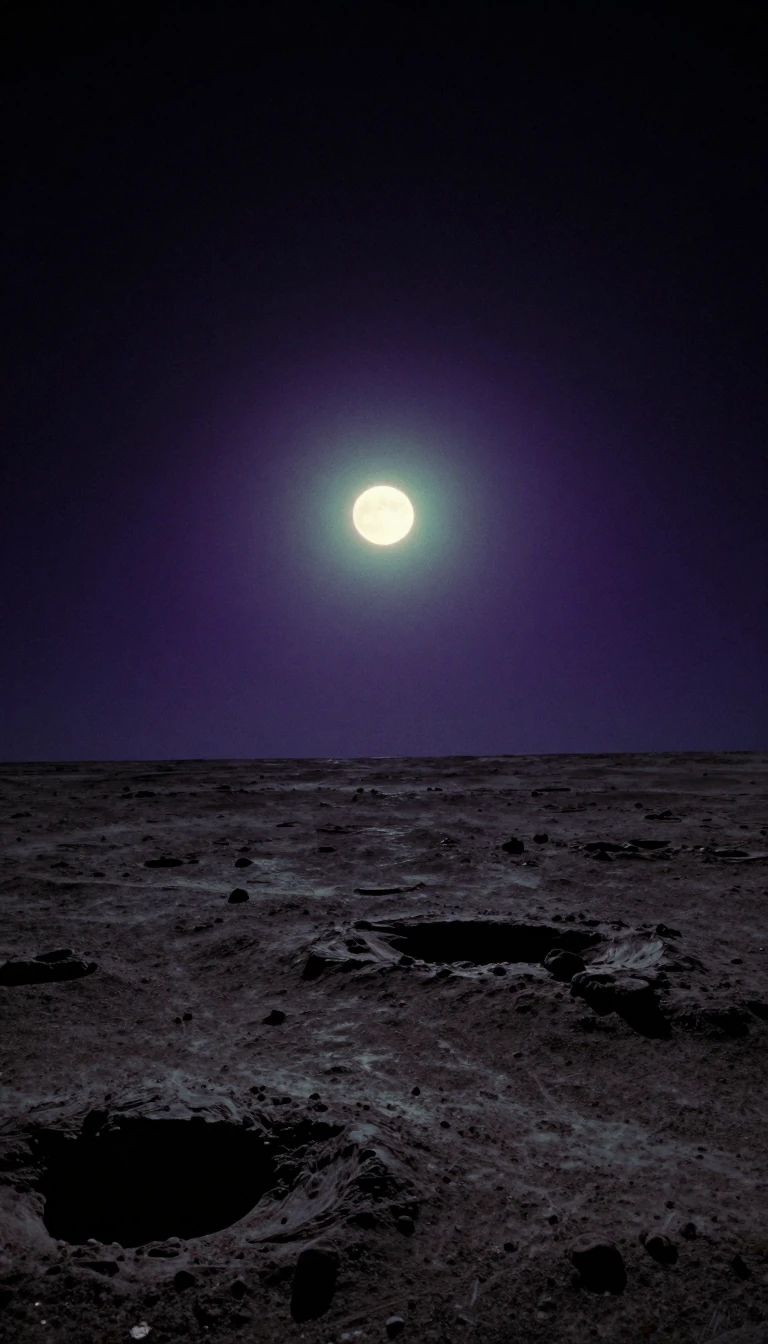 Earth is farthest from the Sun in July, yet northern summers run warmerEvery early July our planet swings out to its most distant point from the Sun, catching only about 93.55 per cent of the sunlight it gets in January. Northern summer happens anywa…
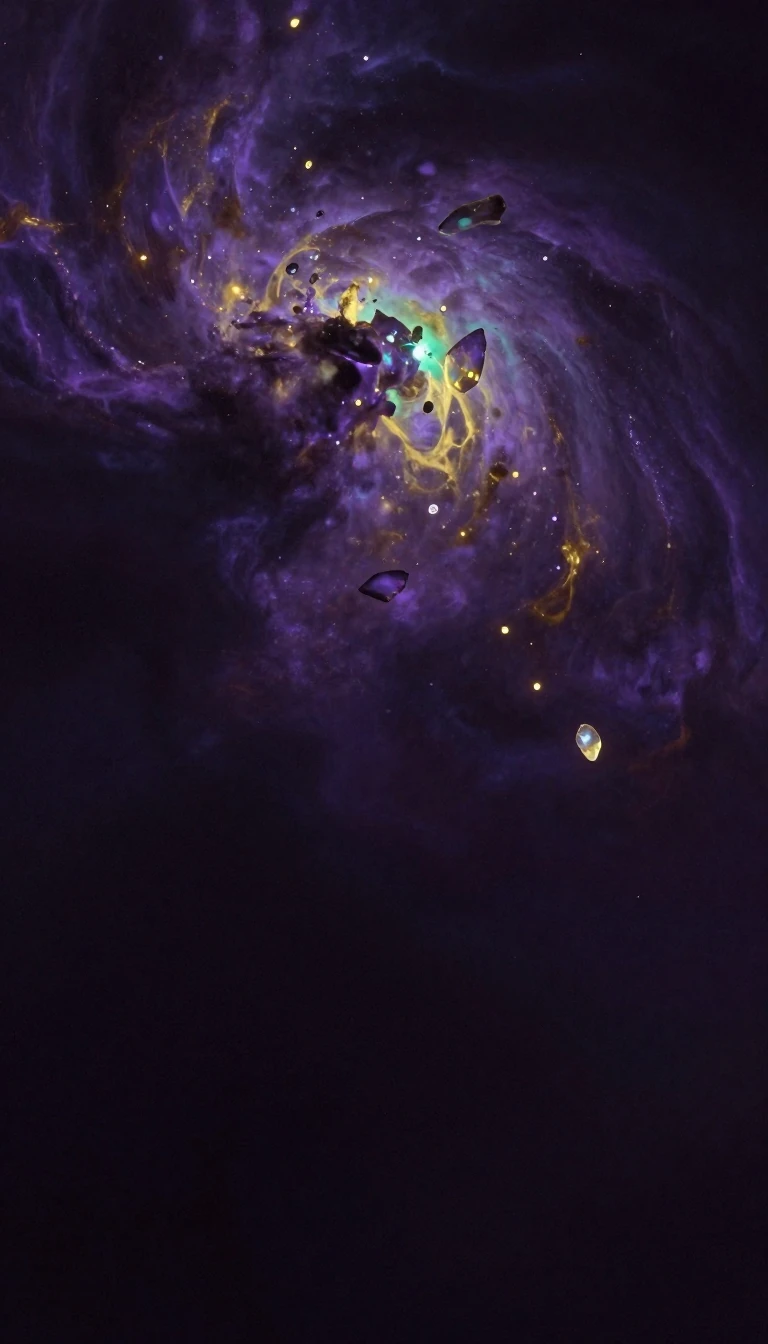 Earth is home to 286 ancient nuclides that predate the formation of our planet.Primordial nuclides are the atomic survivors of the solar nebula. While most are stable, 35 are radioactive isotopes that have persisted for billions of years. These ancient remna…
 Earth is leaking tons of material into space every single dayEarth is not a closed system. Every day, about 90 tons of material escape our atmosphere and drift into space. This video explores the mechanics of these atmospheric leaks, specif…
 Earth is not a home we live on but an engine we inhabitWe often view ourselves as separate from Earth, but we are actually integral components of a massive, interconnected machine. To understand our future, we must grasp the two non-n…
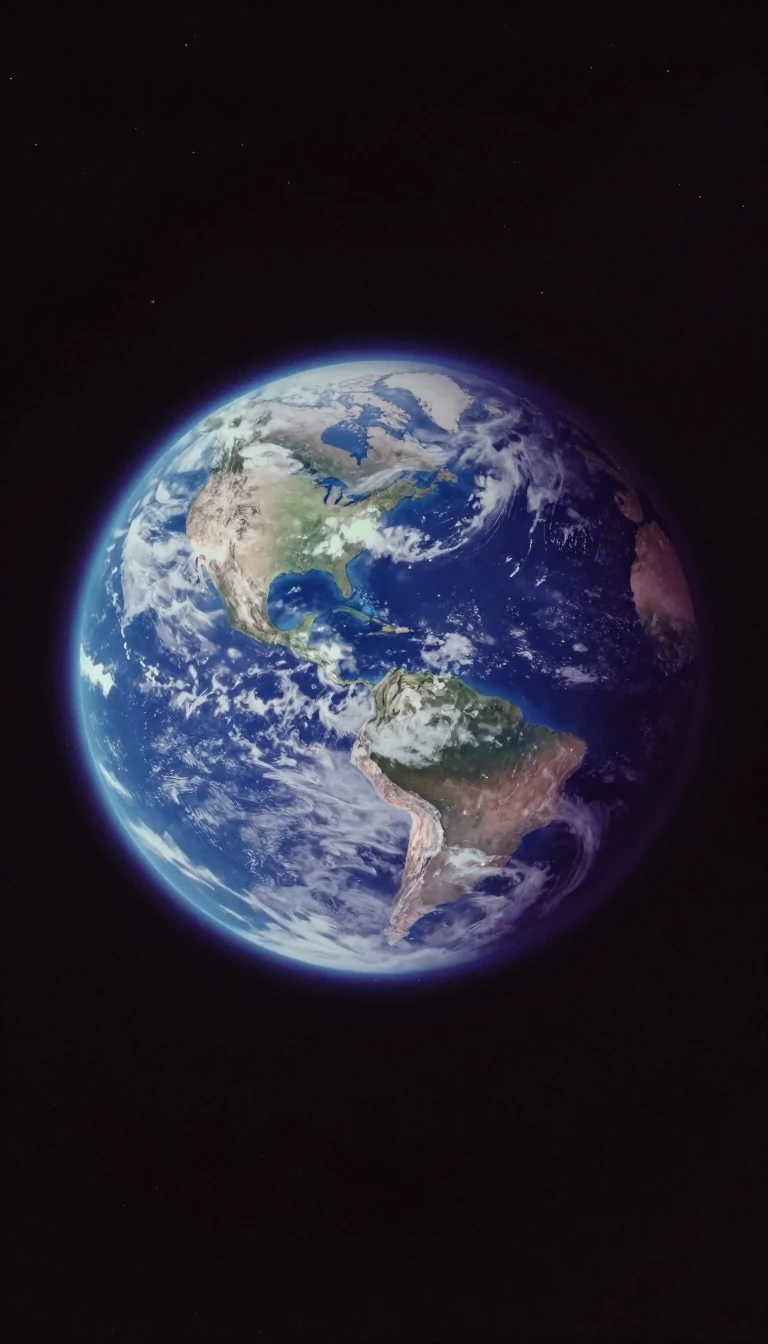 Earth is not a perfect clock, and its rotation speed is constantly shiftingWe assume a day is exactly 24 hours, but Earth’s spin is a restless, fluctuating process. Tidal friction from the Moon is slowing us down over eons, yet recent shifts in our core,…
- Earth is not a perfect sphere, and its gravity changes depending on where you stand.We often assume gravity is a uniform force, but Earth’s uneven surface and shifting mass create subtle, invisible fluctuations. These gravity anomalies reveal everything from hidd…
 Earth is not a solid marble, its center of mass is constantly shiftingEarth’s center of mass is not fixed. Driven by the seasonal redistribution of water, ice, and air, the planet’s geocenter oscillates by several millimeters every year. This moveme…
 Earth is perpetually glowing, but you need a sensitive camera to see it.High above our planet, the upper atmosphere emits a constant, faint light known as airglow. Unlike the fleeting, polar-bound aurora, this multi-colored luminescence encases the en…
 Earth is protected by a vast, comet-shaped magnetic bubble that sustains life itself.Our planet sits inside a dynamic, invisible shield called the magnetosphere. Generated by the churning of molten iron in Earth's core, this magnetic environment deflects solar rad…
 Earth is slowly leaking its atmosphere into space, and auroras are the culpritEarth is losing weight. Every day, hundreds of tons of our atmosphere escape into the void. While scientists have suspected this since 1904, a specific mystery remains: why is hea…
- Earth is surrounded by donut-shaped zones of radiation that can change their shape.Discovered in 1958, the Van Allen belts are giant, magnetically trapped swaths of energetic particles circling our planet. While once thought to be two stable zones, modern probes…
 Earth is the only planet in our solar system sustaining liquid surface water.While water is essential for life and climate regulation, tracking its movement across the globe remains a complex challenge. By utilizing satellite technology, researchers are fi…
 Earth may once have frozen over, all the way to the equator.About 700 million years ago, glaciers seem to have reached sea level in the tropics. Many geologists think the whole planet froze into a 'snowball' for millions of years, and that…
 Earth may once have worn a ring like Saturn'sAbout 466 million years ago, craters from a burst of meteor strikes seem to have clustered in a band around Earth's equator. A 2024 study reads that pattern as the fallout of a ri…
 Earth once erupted lava as fluid as water, but it stopped billions of years ago.Komatiites are rare, ancient volcanic rocks that erupted at temperatures exceeding 1600 degrees Celsius. Unlike the thick, honey-like basaltic lava we see today, these ultramafic …
 Earth pig is Africa's loneliest mammal orderDespite looking vaguely porcine, the aardvark is not a pig at all. It is the last living member of Tubulidentata, an obscure order defined by teeth built from tiny tubes. By night…
 Earth possesses a second, swirling magnetic field hidden within its magnetosphereWe have long relied on the geomagnetic field to shield us from solar radiation. However, precision satellites have detected a second, irregular magnetic field. Unlike our stable p…
- Earth science rests on one bold bet: the present explains the pastNobody watched mountains rise or oceans open. Geologists reconstruct those events by assuming that the processes working today, erosion, eruptions, sediment settling in rivers, ha…
 Earth stays cool by shedding invisible heat into the vastness of spaceEvery moment, our planet radiates invisible energy back into the cosmos. This process, known as outgoing longwave radiation, is the primary mechanism Earth uses to shed heat. By m…
 Earth-abundant metals offer a sustainable path to producing green hydrogenResearchers are exploring how to produce green hydrogen more efficiently by identifying better catalysts for water electrolysis. A review of the oxygen evolution reaction found th…
 Earth-born iron is so rare that scientists once mistook it for falling meteorites.Most metallic iron on Earth is locked away in ores, oxidized billions of years ago. Yet, in Greenland, a unique geological anomaly produces native iron that mimics the nickel cont…
 Earth-writing began as Nile-centered world mapsGeography—Greek geographia, “Earth-writing”—has many cultural histories before it became a university discipline. Ancient Egypt centered the world on the Nile; Babylon’s Imago Mun…
- Earth, every moon and every asteroid together barely register on the Solar System's scalesPut the whole Solar System on a balance and the Sun alone accounts for 99.86 percent. Of the scraps left over, the four giant planets take 99 percent. Everything else, including E…
 Earth, Wind & Fire took its name from its founder's star signMaurice White was a Sagittarius, a sign whose classical element is fire, with seasonal qualities of earth and air. So when he renamed his Chicago band the Salty Peppers, he left o…
- Earth's air reaches 1500 °C high up, yet would not feel hotIn the thermosphere the thin gas can hit about 1500 °C, but a person there would not feel warm, because molecules are so scattered that each drifts about a kilometre before meetin…
- Earth's atmosphere does not end at a line; it leaks into space forever.The exosphere is the final, ghostly frontier of our atmosphere, where air is so thin that atoms rarely collide. It is a place of ballistic arcs and slow escape, where Earth's grav…
 Earth's atmosphere was once oxygen-free, and its rise remains a subject of intense debate.For billions of years, Earth was a planet without free oxygen. When it finally appeared, it triggered a global icehouse, fueled the rise of complex life, and sparked the first wil…
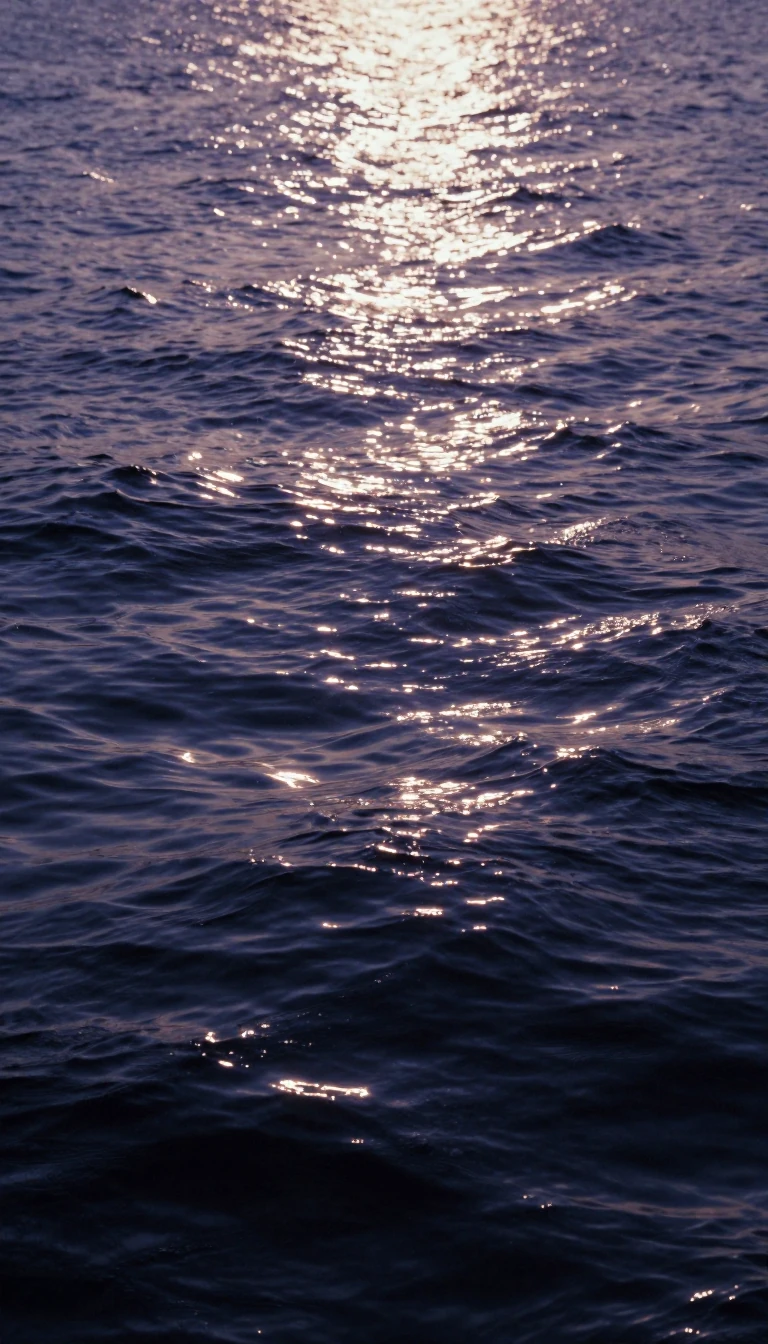 Earth's biggest lake sits twenty-seven metres below ocean levelThe Caspian holds more inland water than any other body on Earth—about the area of Japan—yet its surface lies roughly twenty-seven metres under true sea level. Fed mainly by the V…
- Earth's climate runs on an energy budget with sunlight as incomeNearly all the energy in Earth's climate arrives as sunlight, and some leaks back out to space. When more comes in than goes out, the planet warms; when the balance tips the other…
 Earth's continents are in constant motion, but what comes after the next supercontinent?Plate tectonics dictate that our planet's landmasses are always shifting. This video explores the history of supercontinents like Pangea and examines the scientific projections fo…
 Earth's continents are still moving at the speed of your growing fingernails.Michael Molina explains the mechanics of continental drift, detailing how the supercontinent Pangaea fractured 200 million years ago. This video explores the ongoing movement of t…
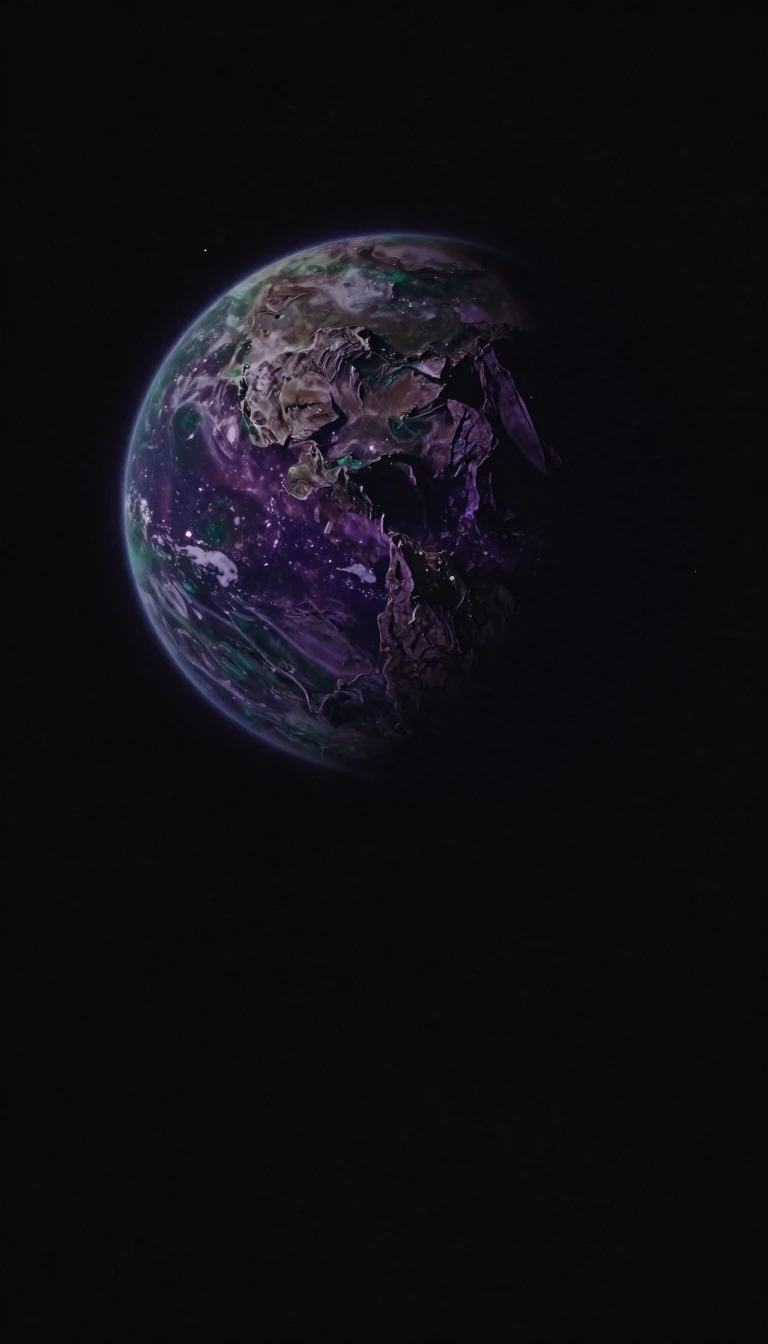 Earth's continents may be the only crust of their kind in the Solar SystemPlanetary geologists sort rocky crusts into three types. Almost every world has the second kind, basalt melted from the mantle. But the continents we live on count as tertiary cru…
- Earth's first eon was a hellish ocean world that may have hosted early lifeNamed for the Greek underworld, the Hadean eon began 4.6 billion years ago with a molten surface. Yet, despite the chaos of asteroid bombardments and a thick, toxic atmosphere, ev…
 Earth's first great extinction came as ice, then as suffocating warmthRoughly 445 million years ago, almost all complex life lived in the sea, and nearly 85 percent of marine species disappeared. The killer struck twice: first a sudden ice age over …
- Earth's future is a slow-motion collision course with solar expansion and geological decayOur planet faces a predictable but dramatic timeline. While human activity currently reshapes the surface, long-term natural processes—from the inevitable drift of continents to t…
- Earth's geological history is divided into seven distinct evolutionary phasesResearchers who reviewed the geological record have proposed a framework for Earth's history. By analyzing the rock and mineral archive found in the continental lithosphere, they …
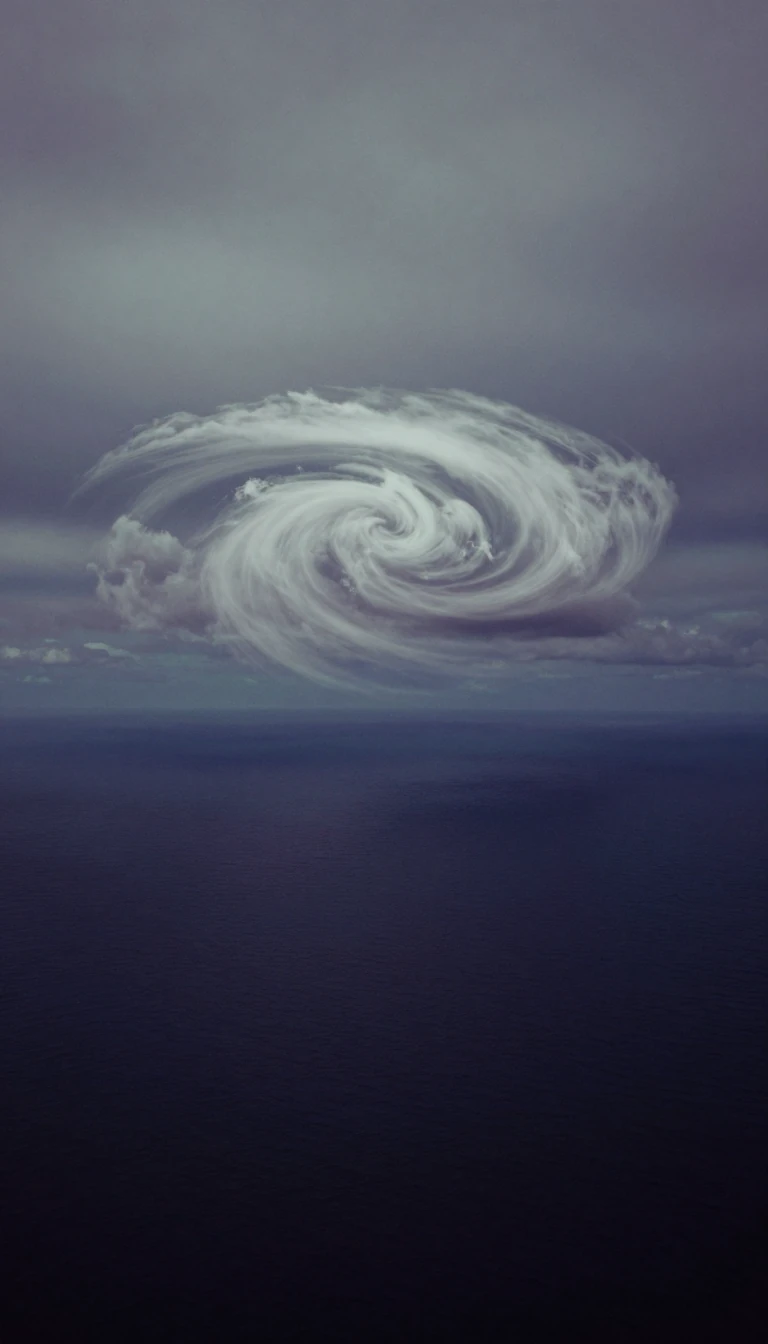 Earth's highest clouds shine at night because they are made of frozen space dustFloating 50 miles above the surface, noctilucent clouds are the highest in our atmosphere. These electric blue streaks appear only during summer, when the mesosphere reaches extre…
 Earth's history is defined by five catastrophic, and sometimes mysterious, mass extinctionsWhile we understand the asteroid that ended the dinosaurs, many of Earth's greatest biological collapses remain unsolved. From the 'Great Dying' to the vanishing of the megalodon,…
 Earth's history is written in the scars of five mass extinctionsThis video explores the five most devastating biological collapses in our planet's history, providing a sobering look at how life has been repeatedly nearly erased.
 Earth's inner core grows by about 80,000 tonnes of iron every secondNearly 2,900 kilometres beneath our feet lies an ocean of molten iron and nickel about 2,260 kilometres deep. As the planet slowly cools, its base freezes onto the solid inner cor…
- Earth's internal heat is a massive engine, but it barely touches our daily lives.While Earth radiates 47 terawatts of internal heat, this energy is dwarfed by the 173,000 terawatts of solar radiation hitting the surface. Yet, this hidden subterranean furnace i…
 Earth's invisible shield is shifting and weakeningThe magnetic field that protects our planet from solar radiation is undergoing dramatic changes. From accelerating poles to expanding weak spots, scientists are using satellite co…
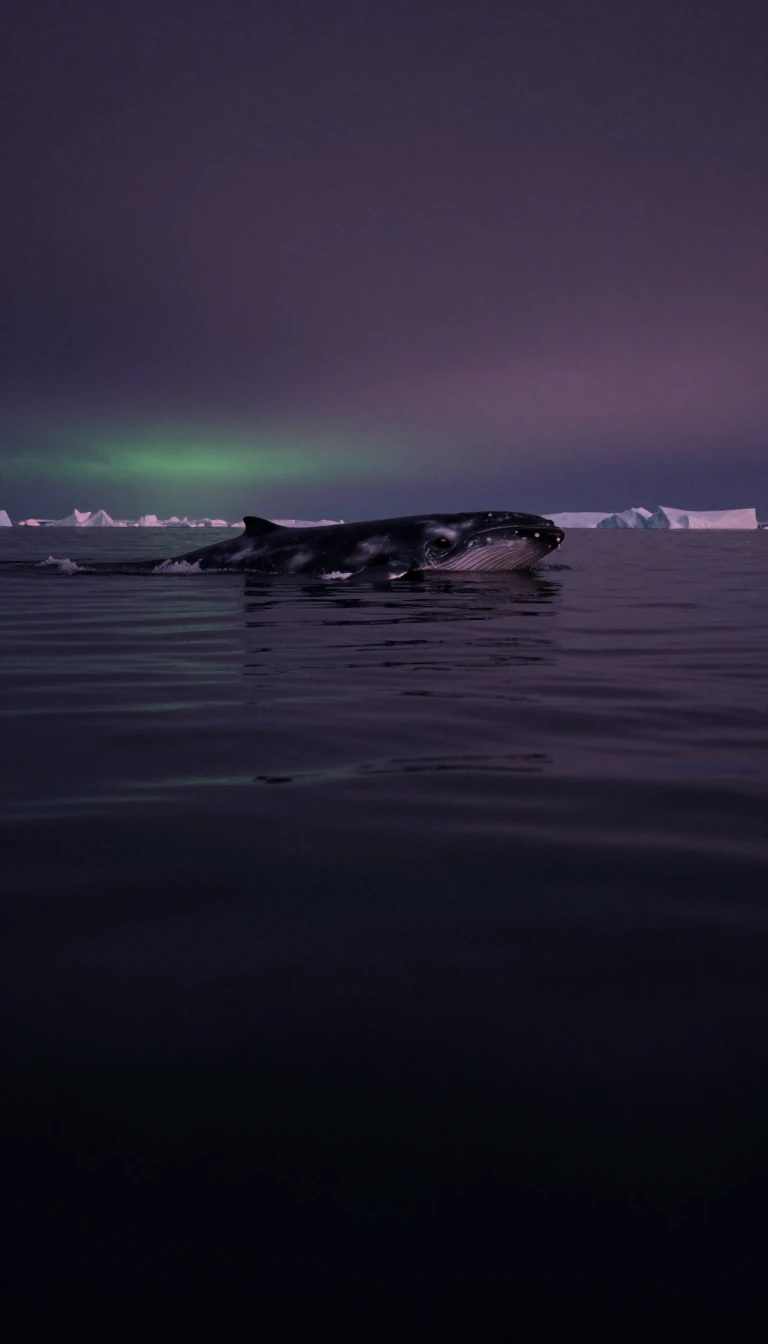 Earth's largest animal nearly vanished before a 1966 banBlue whales stretch to about thirty meters and two hundred tonnes, outranking every known animal. Polar summer feeding and tropical winter breeding once filled the oceans—until in…
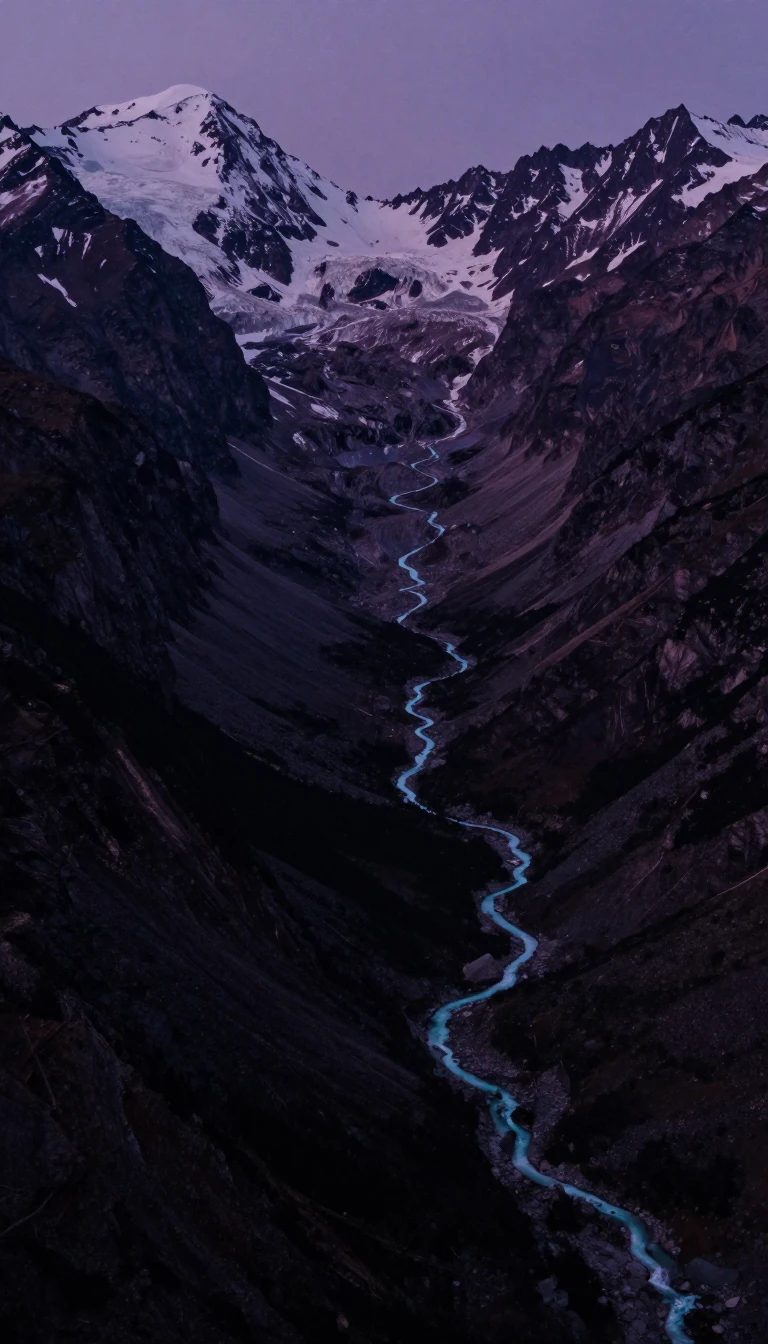 Earth's longest mountain chain runs 65,000 kilometres, almost entirely underwaterThe Andes stretch about 7,000 kilometres and are often called the longest mountain system on land. Count the submerged Ocean Ridge, though, and you get a continuous chain of peaks…
 Earth's longest mountain range is hidden underwater and wraps the globe like a baseball seamA continuous chain of undersea mountains snakes through every ocean for about 65,000 kilometres, several times the length of the Andes. Along its crest the seafloor is being born,…
 Earth's lowest shore sits 440 metres under ocean levelBy 2025 the Dead Sea's surface lay about 439.78 metres below sea level—the planet's lowest land elevation. At 34.2 percent salinity it is roughly 9.6 times saltier than the ocean,…
 Earth's mantle is hotter than molten rock yet stays almost entirely solidNear the core, mantle rock reaches about 4,200 kelvin, far above the temperature at which peridotite melts at the surface. Crushing pressure keeps it solid. Over millions of years…
- Earth's mantle transition zone acts as a complex gatekeeper for deep planetary heat.Deep beneath our feet, between 410 and 660 kilometers down, lies a mysterious region called the mantle transition zone. This layer is not just a static boundary; it is a dynamic, …
- Earth's most powerful storms fire invisible beams of high-energy light into spaceEvery day, thunderstorms unleash terrestrial gamma-ray flashes, brief bursts of radiation packing millions of times the energy of visible light. While these phenomena were once my…
 Earth's oldest rocks act as time machines revealing our planet's mysterious early history.Geologists treat the oldest rocks on Earth as windows into the planet's missing history. This video explores how these ancient formations provide clues about the conditions follow…
 Earth's oxygen levels fluctuated significantly during the evolution of complex lifeResearchers reviewing Earth's middle history found that oxygen levels did not rise steadily. Instead, after an initial period of oxygen deficiency, levels remained relatively low …
- Earth's population has surged by 4 billion people since the first Earth Day in 1970.Since the inaugural Earth Day in 1970, the global population has expanded by 4 billion. This video explores the environmental consequences of this growth, specifically focusing on…
 Earth's pull is not the same everywhere, and Einstein says it isn't a pullDrop a hammer and a feather in a vacuum and they land together: in the same gravitational field, everything falls at the same rate whatever its mass or material. Yet the rate itse…
 Earth's rocks are never finished; they are constantly being reborn.Every rock possesses a history revealed through its unique structure. Driven by solar energy and internal heat, the rock cycle continuously recycles igneous, sedimentary, and meta…
- Earth's rotating surface and shifting ice sheets have dictated sea levels for millions of years.Sea levels are not merely a product of melting ice. They are shaped by the complex interplay of planetary rotation, tectonic movement, and the massive weight of ice sheets pressin…
- Earth's solid mantle flows, just far more slowly than pitchNobody has ever drilled through Earth's crust, yet we know the planet has a liquid outer core and a solid inner one. Earthquake waves gave it away. The rock of the mantle is solid…
- Earth's tilted axis gives us seasons, and the Moon keeps it steadySummer and winter exist because Earth spins on an axis leaning about 23.44 degrees from upright. That lean keeps pointing the same way among the stars all year, so each hemisphere…