 Intellect Plus
Cards starting with H
40,576 cards. Page 675 of 677.
 Humanity is built to roam, and engineers are designing the tools to go further.From the depths of the ocean to the reaches of space, humans have always sought to expand their range. This documentary examines how modern engineering is creating innovative vess…
 Humanity is defined by the materials we master, from ancient stone to modern silicon.We do not just live in the world; we build it. From the prehistoric Stone Age to the Silicon Age of the late 20th century, our history is written in the substances we shape. Under…
 Humanity is returning to the first asteroid we ever intentionally movedThe European Space Agency is launching the Hera mission to investigate the aftermath of the first successful human-led asteroid deflection. By revisiting this specific target, sci…
 Humanity just reached out and touched our closest starFor the first time ever, a human-made machine has entered the Sun's upper atmosphere. By physically sampling the solar corona, we are moving beyond remote observation to direct ex…
 Humanity now consumes 70% more resources than the planet can naturally regenerate each year.Our global footprint has outpaced the earth's capacity to renew itself. From the mass conversion of wild habitats into agricultural land to the staggering loss of 83% of all wild …
 Humanity reached every habitable Pacific island long before the first European ships arrived.Spanning over 10,000 islands, the Pacific’s history is a complex tapestry of ancient migrations and diverse cultures. While European records often dominate the narrative, archaeol…
 Humanity sets a new record for the number of people in space simultaneously.Recent orbital missions have pushed the total count of humans in space to unprecedented levels. This update covers the latest international launch activity and the specific missio…
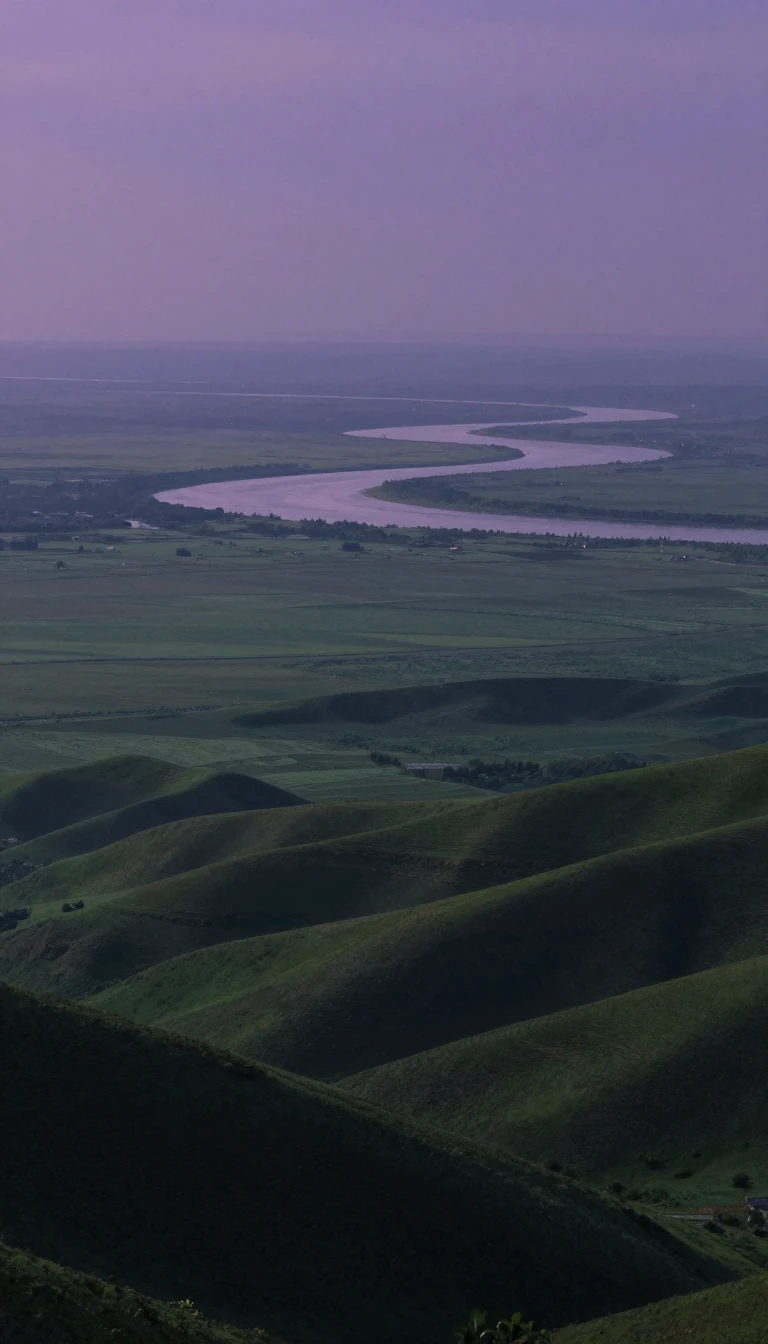 Humanity transformed the global landscape much earlier than previously thoughtA global archaeological assessment found that humans significantly altered the Earth's surface by 3,000 years ago. While many scientists view large-scale human impact on the envir…
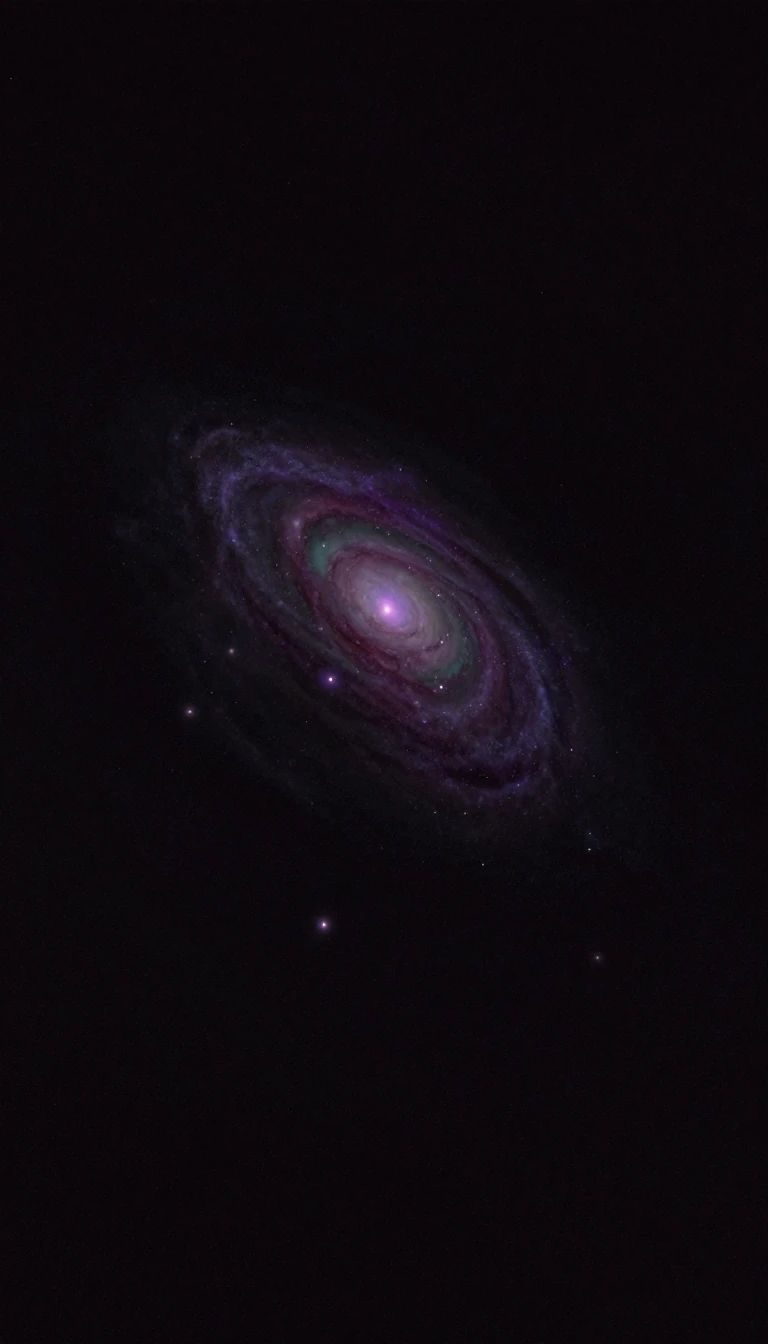 Humanity's first interstellar postcard was a 1,679-bit binary shout into the voidIn 1974, humanity did not just listen to the cosmos; we spoke back. Using a massive radio telescope in Puerto Rico, scientists beamed a complex digital postcard toward a distant s…
 Humanity's first message to the stars was a small aluminium plate on Pioneer 10.In 1972, a space probe launched toward Jupiter carrying more than just scientific instruments. It bore a mysterious message intended for extraterrestrial life, marking our first a…
 Humanity's holiday glow is now visible from orbitNASA researchers have confirmed that our festive decorations are bright enough to be detected from space. This isn't just a visual feat; it offers a unique window into how differe…
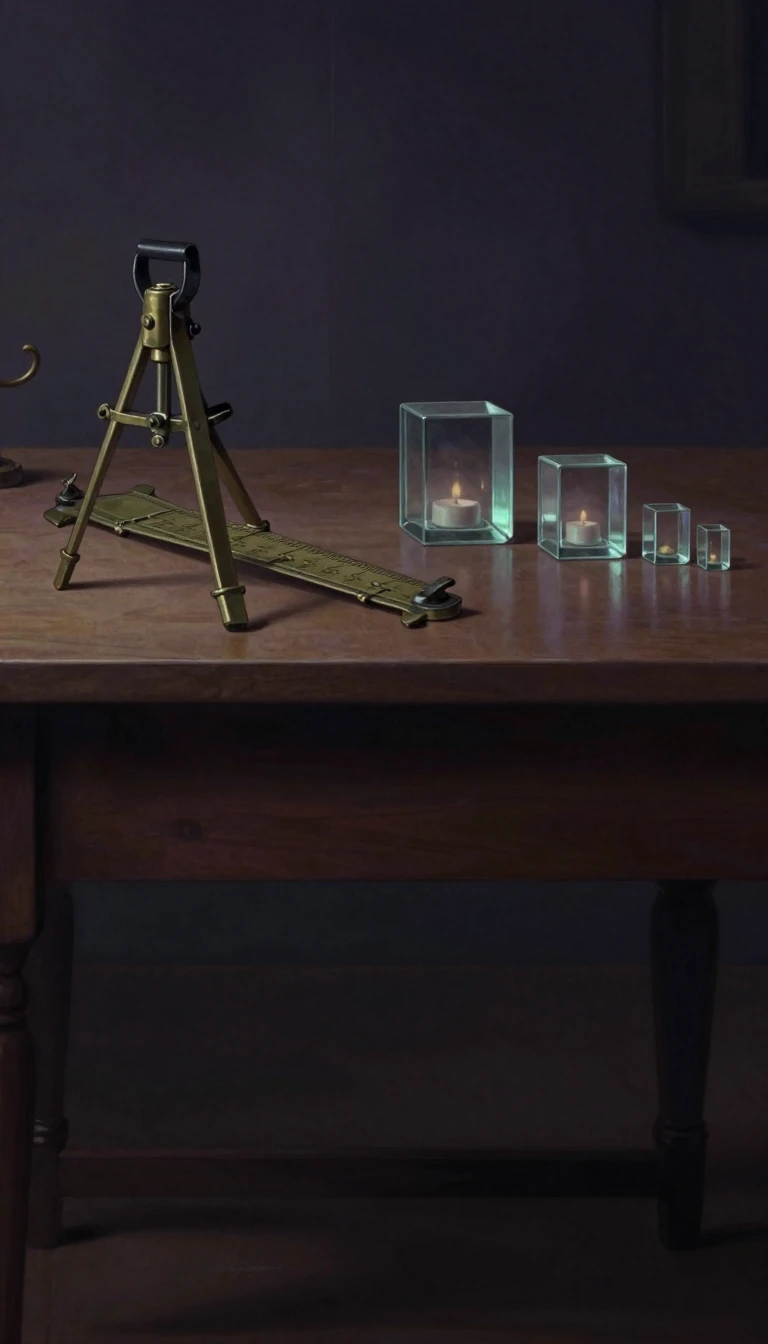 Humanity's technological journey began long before we settled into permanent, organized urban civilizations.For hundreds of millennia, our ancestors relied on natural objects before mastering the deliberate shaping of stone. This slow evolution from opportunistic tool use to the sophist…
 Humans and chimpanzees may have split slowly, over millions of yearsSomewhere in Africa lived the last ancestor we share with chimpanzees and bonobos. No fossil of it has ever been confirmed, and estimates of when our lines parted swing from thirt…
 Humans and dogs have been inseparable companions since before the invention of writing.To mark International Dog Day, this video explores the enduring bond between humans and canines across ancient civilizations. From Egypt to Mesoamerica, discover how early societi…
 Humans and Neandertals may have co-existed for millennia in Western EuropeResearchers using statistical modeling found that modern humans and Neandertals likely lived in the same regions of France and northern Spain for between 1,400 and 2,900 years. Wh…
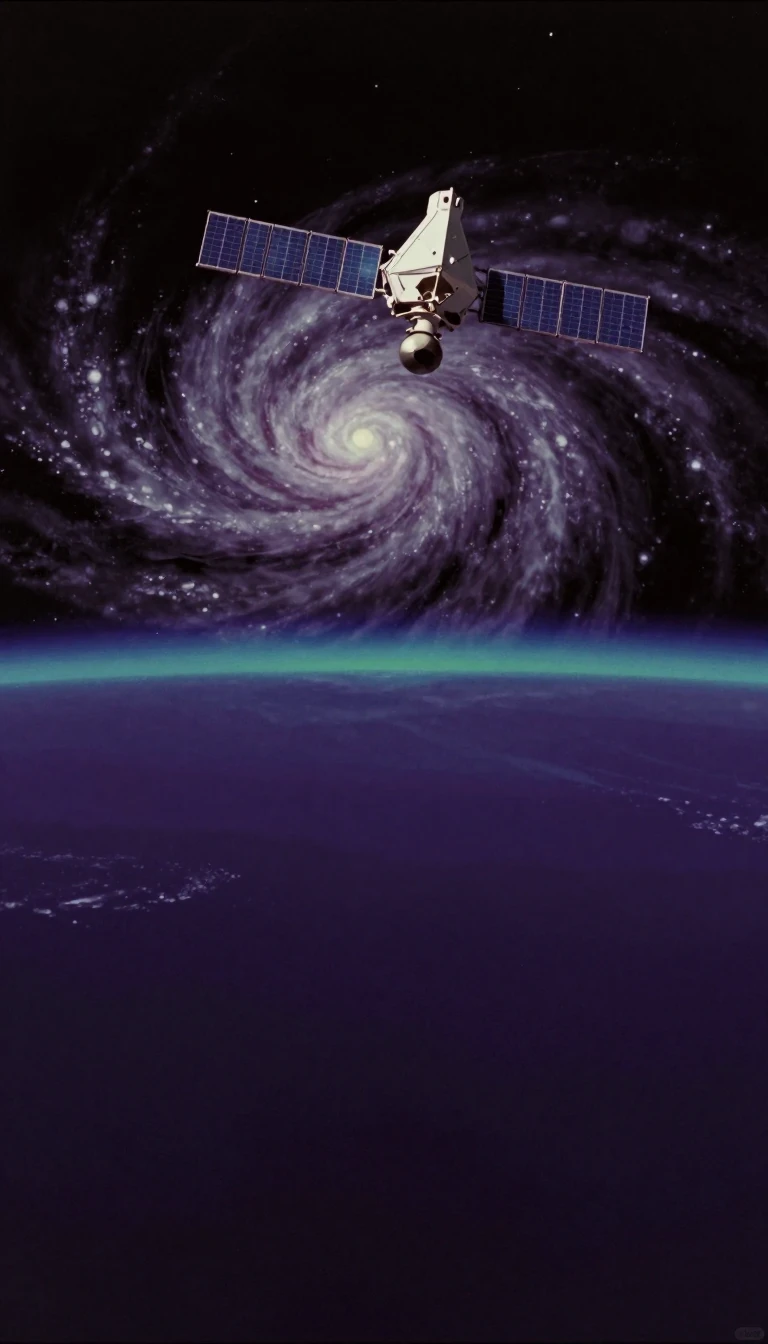 Humans and starfish share an embryo that builds its bottom firstIn a human embryo, as in a sea urchin's, the very first opening to form does not become the mouth. It becomes the anus, and the mouth breaks through later on the far side. That od…
 Humans are not the only species capable of carrying a musical tune.While humans often pride themselves on their musicality, the animal kingdom is full of talented vocalists. This video explores five of nature's most impressive singers and examine…
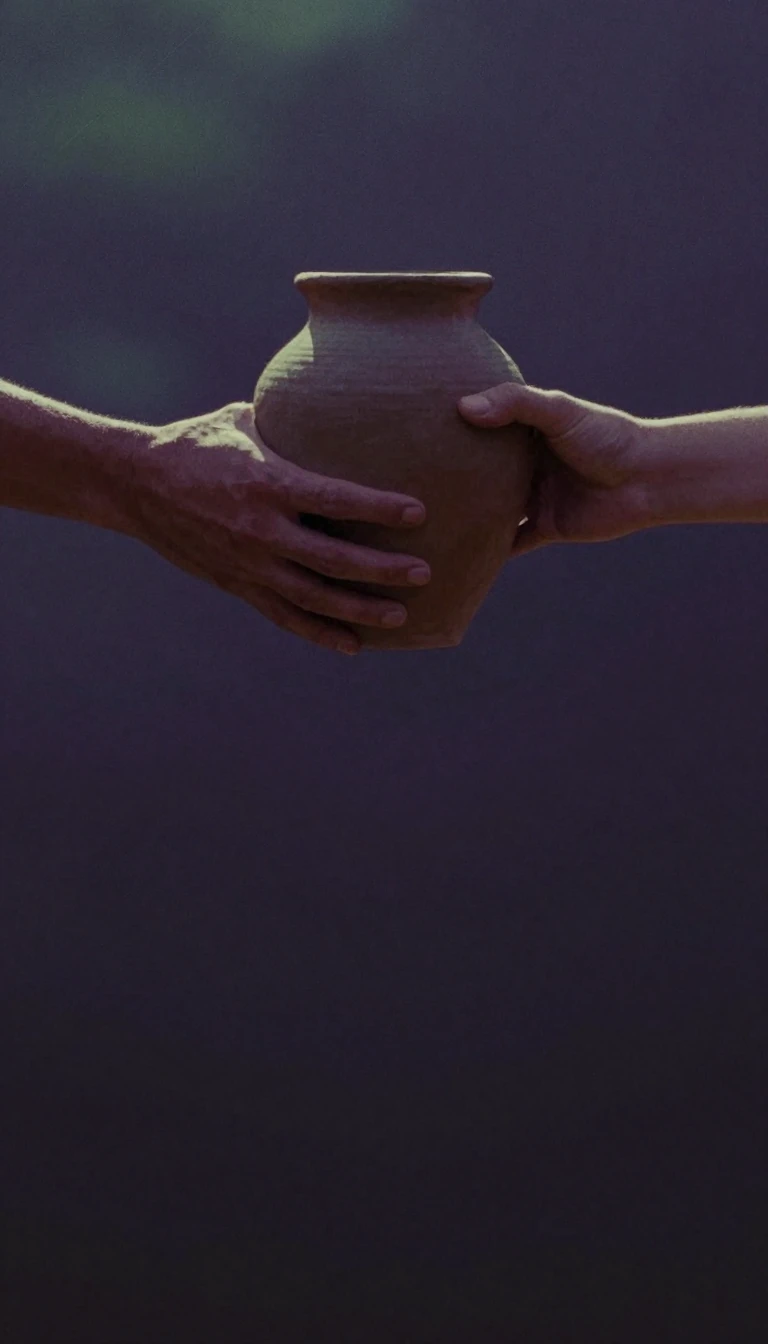 Humans are unusually right-handed compared with other primatesAbout nine in ten people favour their right hand, a bias so strong that a study of 41 monkey and ape species found humans to be outliers. Most other primates split evenly between …
 Humans did not evolve from chimpanzees, but we share a common ancestor.This video explores the biological origins of humanity. It clarifies the relationship between humans and our closest living relatives, tracing the evolutionary path that led to ou…
 Humans emit a faint visible glow that vanishes the moment we die.While humans are not bioluminescent like fireflies, we emit a constant, ultra-weak light at visible wavelengths. This phenomenon is tied directly to our metabolism and ceases imme…
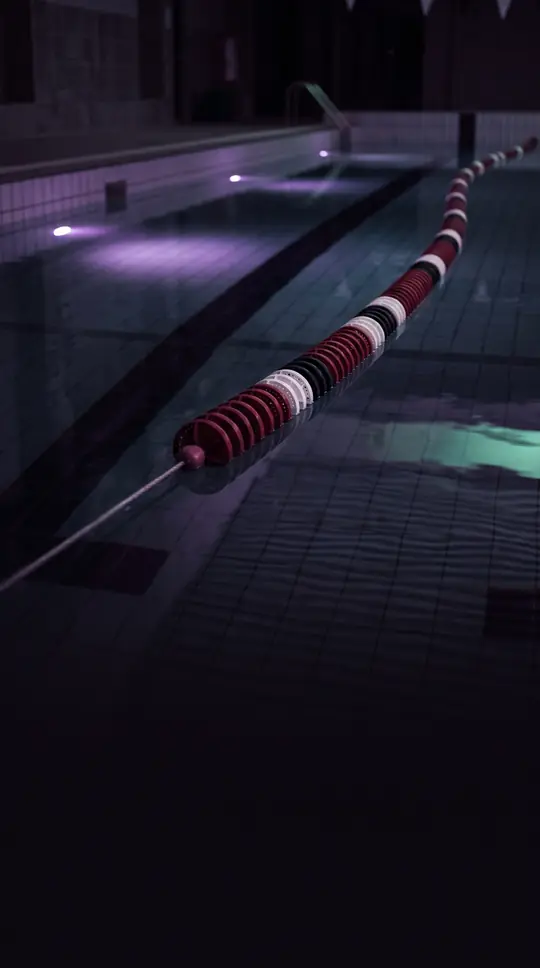 Humans float near neutral—then trade drag for thrustSwimming is self-propulsion through water by coordinated limb and body motion. Average human density sits near 0.98 relative to water, so we float—yet every stroke fights viscous …
 Humans have been manipulating plant genetics for thousands of years to improve our food.This video explores the history of plant breeding and modern gene editing. It explains how we have transitioned from traditional selection to directly modifying plant genes to hel…
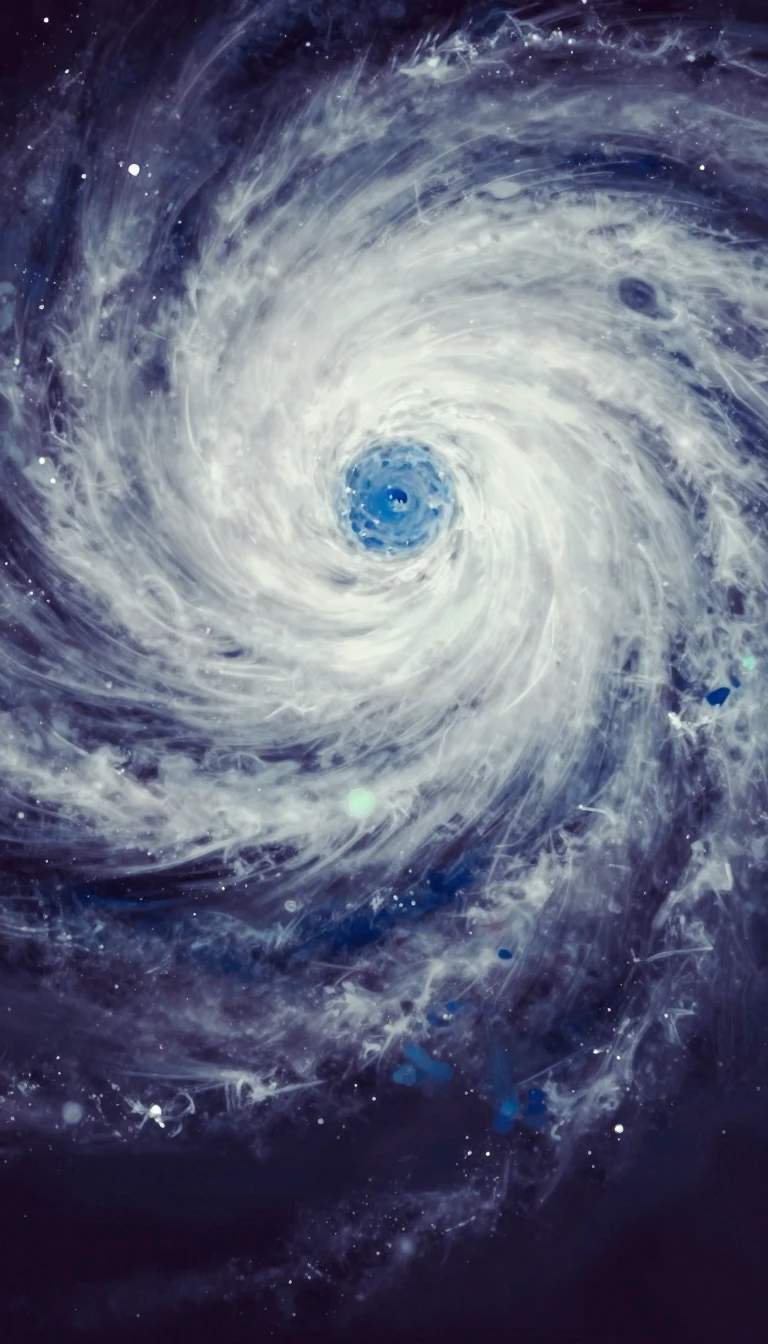 Humans have far more than five senses, perhaps as many as 17Sight, hearing, smell, taste and touch are just the famous ones. Your body also senses balance, the position of your limbs, pain, hunger, thirst and even rising blood pressure. Sp…
 Humans have made spears for 400,000 years, and chimpanzees make them tooWooden spears from Schöningen in Germany and Clacton in England show people hunting with sharpened shafts at least 400,000 years ago. Humans are not alone in this: western chimpan…
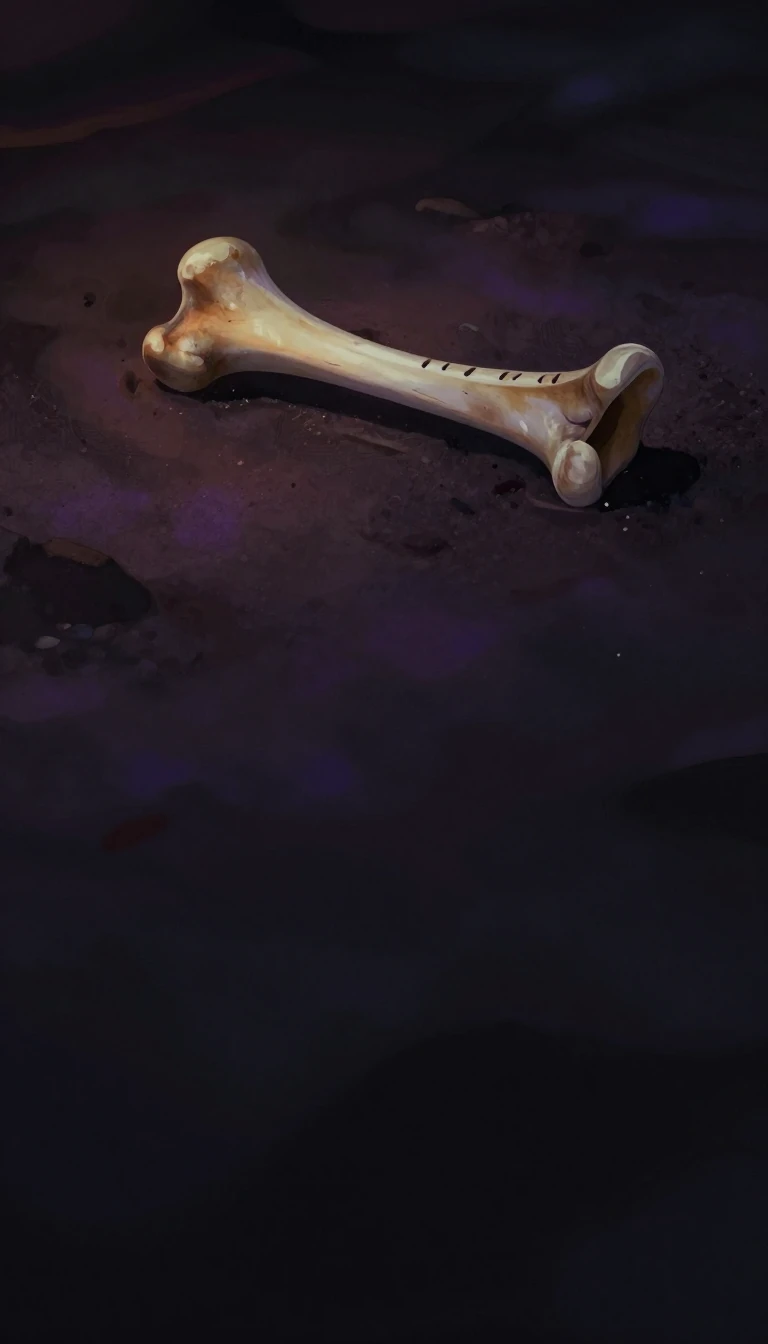 Humans have more lower-back vertebrae than chimps, and that lets our spines curveBetween your ribs and pelvis sit five heavy vertebrae, the largest bones in the spinal column. Chimpanzees and gorillas have only three or four, which leaves them unable to arch t…
 Humans left Africa long before Homo sapiens even existedUntil the early 1980s, researchers assumed early humans stayed in Africa until roughly 800,000 years ago. Now possible stone tools in central China are dated to 2.12 million years…
 Humans likely mounted horses around 3500 BCEquestrianism covers riding and driving horses for work, sport, and ceremony—from ranch sorting and police patrols to dressage and steeplechase. Best estimates place riding near 3…
 Humans need vitamin C from food while most animals simply make their ownMost animals and many plants manufacture ascorbic acid for themselves, but people must eat it. That quirk captures the idea of an essential nutrient: something the body requires y…
 Humans now drive soil erosion 10 to 40 times faster than natureErosion is natural: water, wind, ice and gravity have always carried soil and rock from one place to another. But farming, deforestation, roads and sprawl have multiplied the glob…
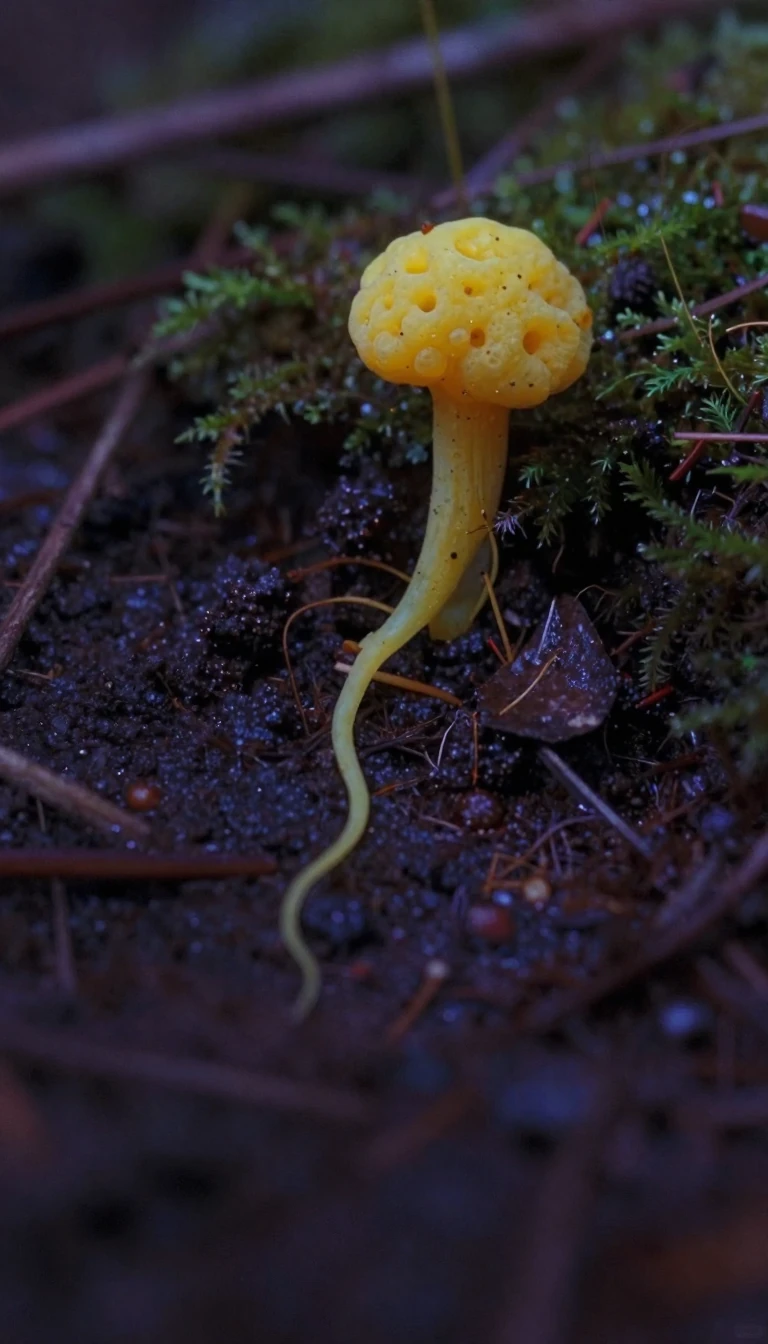 Humans rank surprisingly high in the animal kingdom's complex league table of monogamyWhile often debated as a unique human cornerstone, monogamy is a spectrum across the animal world. A recent study analyzing genetic data reveals that humans exhibit a 66% rate of …
 Humans usually have 33 vertebrae, yet about 10 percent of people break the patternA typical human spine stacks 33 vertebrae: seven in the neck, twelve in the chest, five in the lower back, five fused into the sacrum and four forming the tailbone. Totals can ran…
 Humans were eating shellfish from a South African cave 165,000 years agoLong before farming, people at Pinnacle Point on South Africa's coast were gathering marine food some 165,000 years ago, and Neanderthals on Mediterranean shores seem to have done…
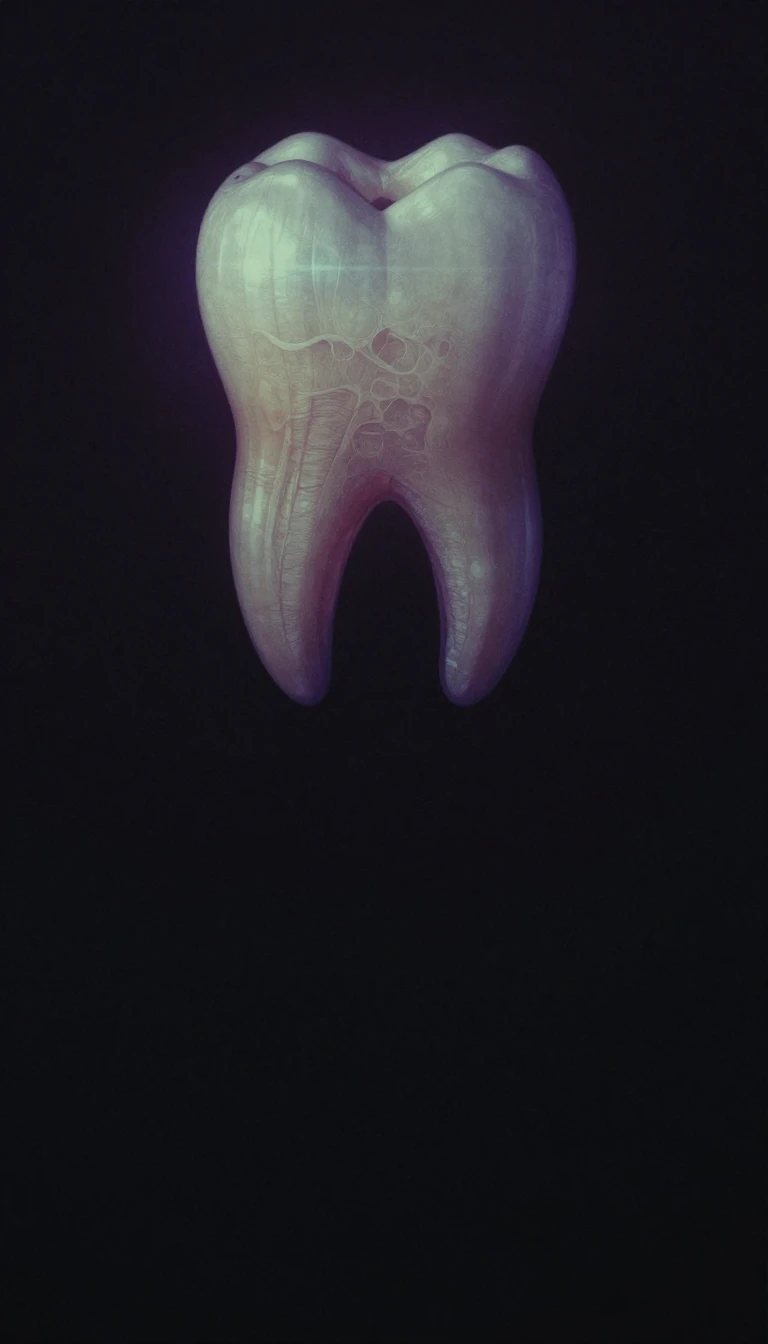 Humans were filling teeth thirteen thousand years agoPaleolithic Italy shows bitumen packed into a tooth some 13,000 years back; Neolithic Slovenia sealed a crack with beeswax about 6,500 years ago. Pliny already mentioned fillers f…
 Humans were hunting long before there were humans like usThe oldest undisputed evidence of hunting dates to roughly 1.7 million years ago, around when Homo erectus appeared and spread. Hunting is older than our own species, and chimpanz…
 Humans were not always the only hominin species living on our planetFor most of history, our ancestors shared the world with other hominin species. This video explores the era when Eurasia was home to multiple human groups and examines the evidenc…
 Humayun lost the whole Mughal empire, then won it back fifteen years laterBabur's son Humayun took the Mughal throne at 22, inexperienced and surrounded by ambitious brothers. Within a decade the Afghan commander Sher Shah Suri had driven him out of Ind…
 Hume's fiercest early critic argued doubting the outside world is unreasonableThomas Reid, a Scottish minister turned professor, answered David Hume's scepticism by insisting that some beliefs, such as the existence of an external world, come before reasoni…
 Humid air weighs less than dry air, despite how muggy days feelA cubic metre of air at sea level and 15 °C has a mass of about 1.225 kilograms under the International Standard Atmosphere, roughly one eight-hundredth of the same volume of wate…
 Humorism ruled until the microscope’s centuryMedical history studies healing practices across societies, drawing on economics, sociology, and politics for context. Early traditions rose in Babylon, Egypt, China, and India. R…
 Humphrey Bogart’s final film role exposed the brutal, fixed reality of professional boxingReleased in 1956, this gritty noir depicts a sportswriter who trades his integrity for a paycheck, orchestrating a fraudulent career for a talentless heavyweight. Behind the scene…
 Humphry Davy named laughing gas and used electricity to isolate seven elementsIn 1799 a young Cornish chemist breathed nitrous oxide, found himself laughing, and dubbed it laughing gas, speculating it could dull surgical pain. Within a decade Humphry Davy w…
 Humpty Dumpty never says he is an egg, because he was a riddleRead the nursery rhyme closely and nothing in it calls Humpty Dumpty an egg. That omission is the point: it probably began as a riddle, playing on slang for a short, clumsy person…
 Humulene is the secret behind the distinct, earthy aroma of your favorite hoppy beer.This naturally occurring sesquiterpene, found in everything from pine trees to cannabis, is a chemical powerhouse. Beyond its role in brewing, humulene is a volatile organic compo…
 Humus, the dark soil layer whose backbone can outlast centuriesUnder the leaf litter lies a dark, spongy layer that soil scientists still cannot fully define. Humus is decomposed plant and animal matter, yet it is far from dead, teeming with …
 Hundred-footers never have exactly one hundred walking legsCentipedes (Chilopoda) are predatory myriapods with one pair of legs per body segment and a name that promises a hundred feet. Sizes run from a few millimetres to about 30 cm in g…
 Hundreds of Neotropical birds named for clay ovensThe ovenbird family, Furnariidae, counts around 321 species of small insect-eating birds ranging from Mexico to the far south of South America. It takes its name from the horneros…
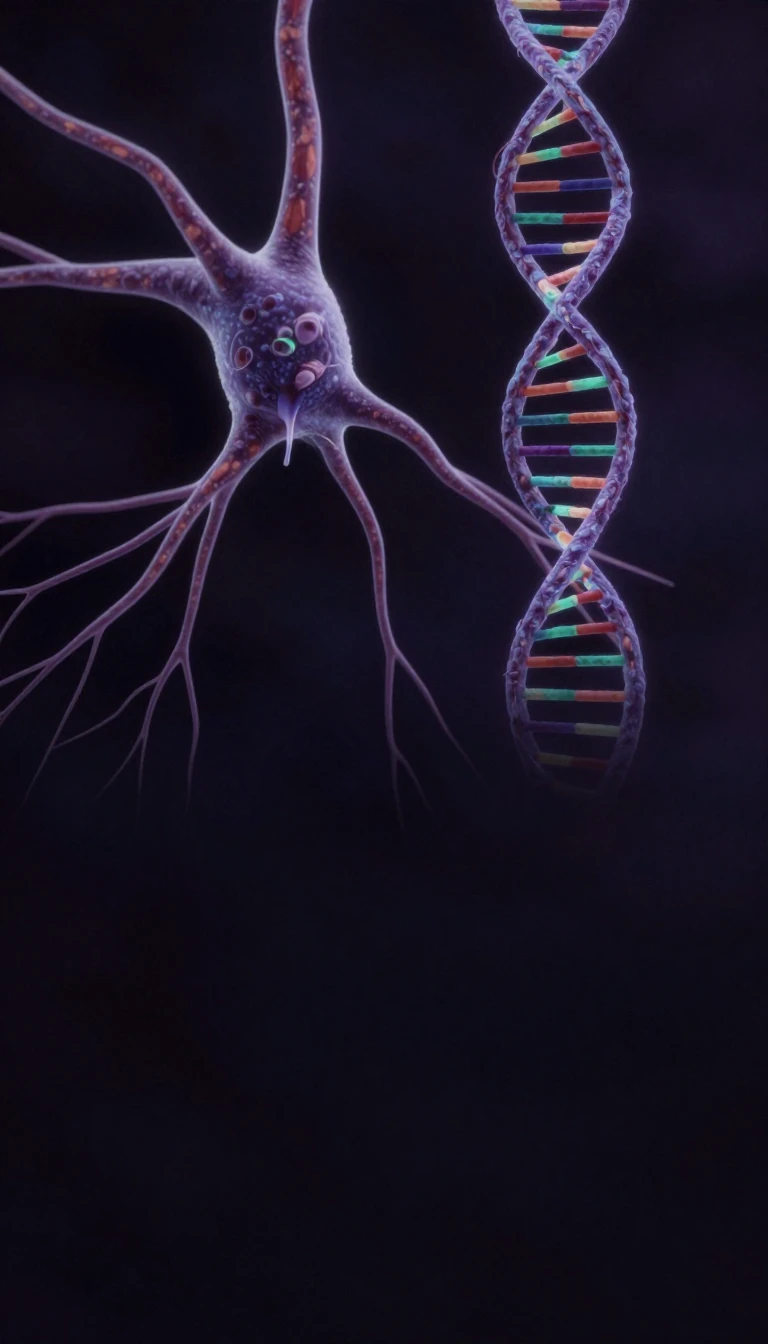 Hundreds of voluntary muscles make up your moving chassisSkeletal muscle is one of three vertebrate muscle tissues beside cardiac and smooth. Fascicles of multinucleated fibers, wrapped in fascia, shorten via sarcomeres of actin and myo…
 Hung Ga is a southern Chinese martial art rooted in anti-Manchu resistance and Shaolin tradition.This iconic style is famous for its stable, low-to-the-ground stances and powerful, animal-inspired strikes. Emerging from 17th-century southern China, it served as a secretive to…
 Hungary's Christian identity is a complex blend of statecraft and historyHungary is officially a Christian nation, yet its streets often tell a different story. While the state uses religious heritage to define national identity, a legacy of communist-…
 Hungary's legal landscape for LGBTQ rights is defined by paradoxWhile Hungary bans discrimination in health and employment, it has simultaneously enacted laws that restrict gender recognition and target LGBTQ content. This creates a complex le…
 Hungary's national poet vanished into battle fogSándor Petőfi (1823–1849) wrote the Nemzeti dal that helped spark Hungary's 1848 revolution against the Austrian Empire, then vanished at the Battle of Segesvár. His body was neve…
- Hungary’s desperate balancing act between the Axis powers and the Western Allies during wartime.Hungary entered World War II as an Axis partner, yet its leaders spent years frantically seeking an exit. Caught between Hitler’s demands and a desire to regain Western favor, the…
 Hunger does not always look like an empty plateDiscover how food fortification can combat 'hidden hunger.' Social entrepreneur Felix Brooks-church explains his pragmatic vision for improving global food systems by adding essen…
 Hunger is a logistics failure, not a scarcity of foodWe live in a world where one in nine people go hungry while we waste over 80 billion pounds of food annually. The problem isn't that there isn't enough to eat; it's that our syste…
 Hunter S. Thompson retyped The Great Gatsby to learn how Fitzgerald wroteWorking as a Time magazine copy boy for $51 a week in the late 1950s, Hunter S. Thompson sat at his typewriter copying out pages of The Great Gatsby and A Farewell to Arms, trying…
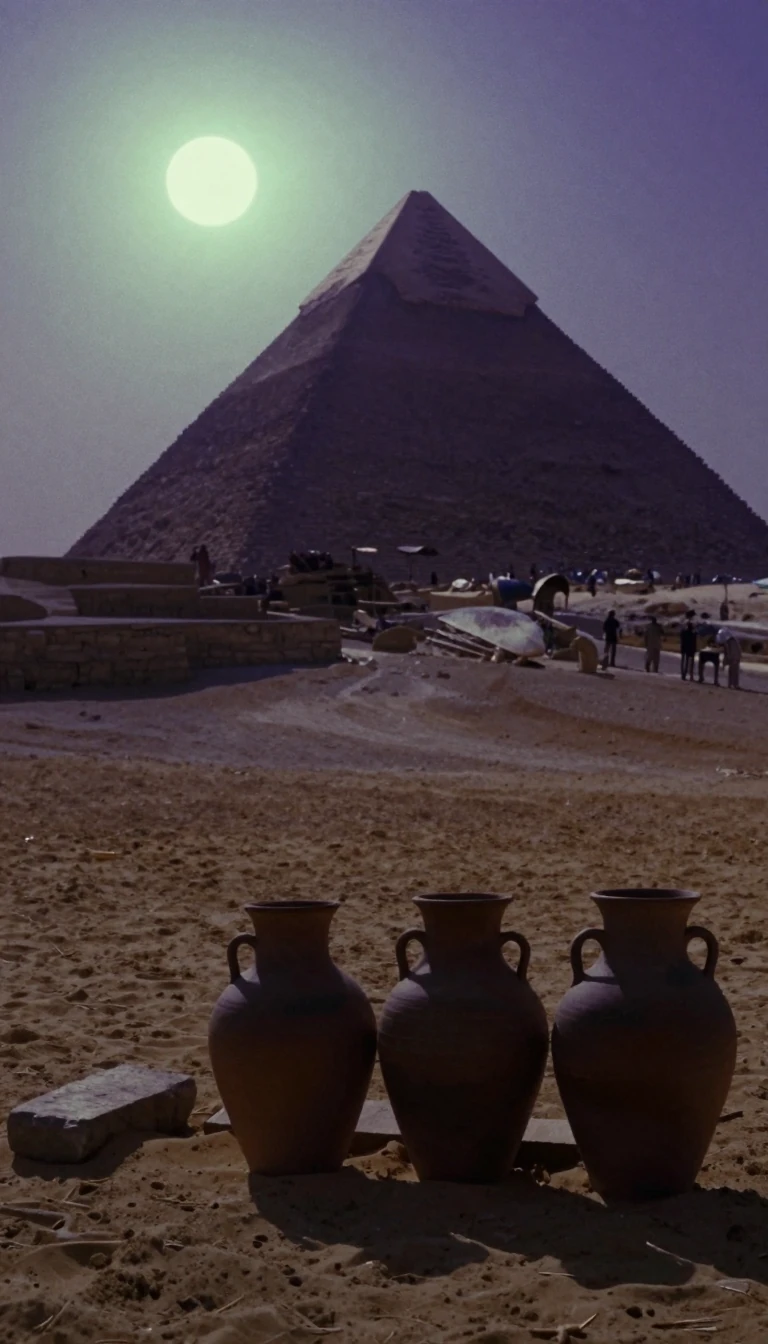 Hunter-gatherers in Louisiana raised earthworks before Egypt built its pyramidsArchaeologists long assumed that only farming societies with food surpluses could organise monumental building. Then radiocarbon dates from Watson Brake in northern Louisiana came…
 Hunting for dark matter from the International Space StationDiscover how a global collaboration of scientists and engineers built a sophisticated tool to detect the invisible components of our universe. This video explores the physics behi…
 Hunting for life's chemical fingerprints on the Martian surfaceThe ExoMars mission is currently navigating a 500 million km journey to Mars. This joint European and Russian effort aims to decode the planet's geological secrets and search for …
 Hunting for the invisible: how we trap the universe's hidden weightDark matter makes up more than 85 percent of the universe's content, yet it remains invisible to our eyes and most instruments. To find it, scientists must build massive, ultra-pu…
 Hunting for the most massive and elusive machines of the Second World WarPresenters Luke Tomes and Louee Dessent explore the Armour and Embarkation 2022 event to identify the most formidable vehicles from the conflict. This video captures a rare convoy…