 Intellect Plus
Cards starting with H
40,576 cards. Page 674 of 677.
 Hugo Ball: The German Dramatist Who Invented Dada to Escape the WarHugo Ball was a German intellectual who fled the First World War to neutral Switzerland. There, he co-founded the Cabaret Voltaire, a radical artistic space that birthed the Dada …
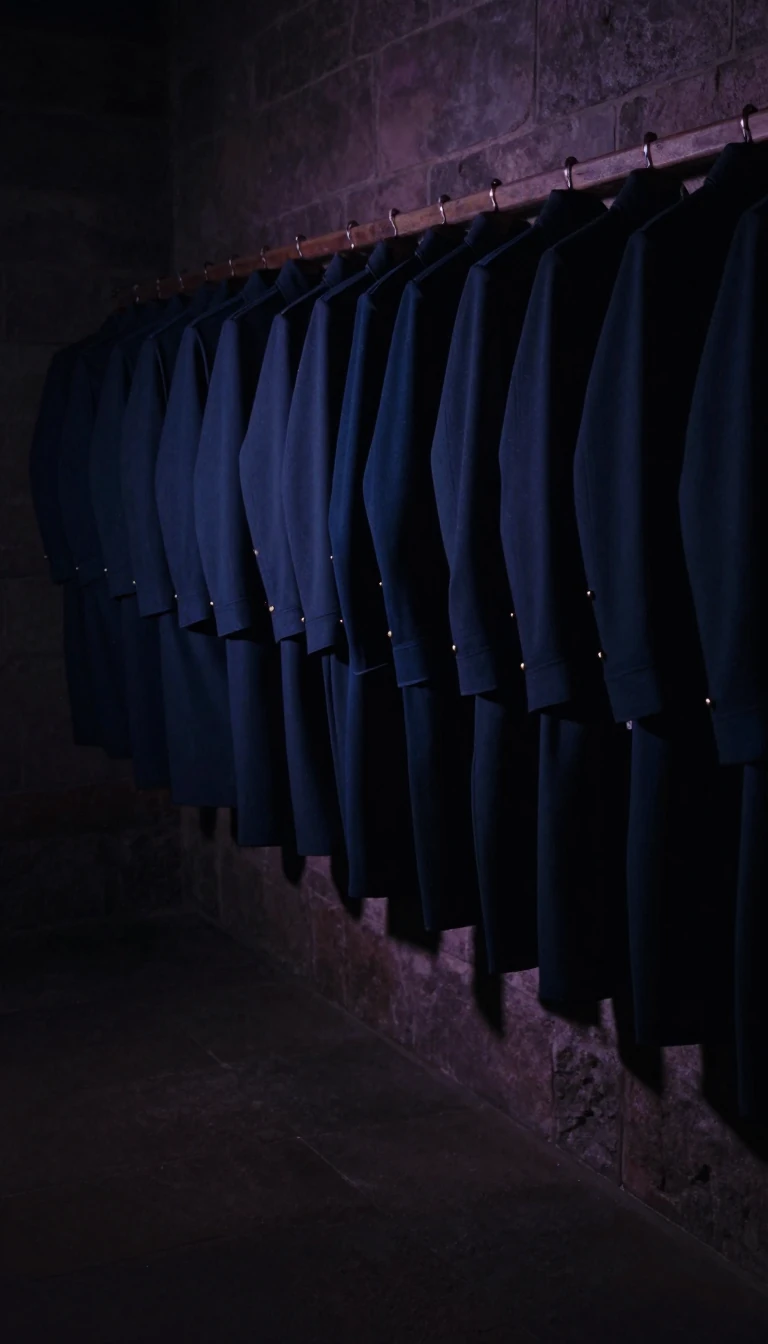 Hugo Boss made Nazi uniforms but did not design the black SS outfitA popular story says the fashion house Hugo Boss designed the SS uniform. It did not: that black outfit was drawn up in 1932 by two SS members, the artist Karl Diebitsch and graph…
 Hugo de Vries: The Botanist Who Redefined Evolution and Coined the Term MutationHugo de Vries was a pioneering Dutch geneticist who fundamentally altered our understanding of heredity. While he famously rediscovered Mendelian laws, he is best known for his mu…
 Hugo Gernsback: The controversial visionary who defined science fiction and pioneered modern radio broadcasting.Hugo Gernsback is celebrated as the father of science fiction and namesake of the Hugo Awards, yet he was a polarizing figure. While he built a massive fan movement and pushed tec…
 Hugo Junkers: The visionary engineer who pioneered all-metal flight and defied the Nazi regime.Hugo Junkers transformed aviation by introducing the world to all-metal aircraft and cantilever wing designs. Beyond his engineering genius, he was a patron of the Bauhaus movemen…
 Hugo von Hofmannsthal: The Austrian prodigy who declared language a failed tool for realityHugo von Hofmannsthal was a literary sensation by seventeen, yet he famously questioned the power of words to describe the world. From his early poetic mastery to his later, compl…
 Hugo Weaving voiced Megatron without ever watching a Transformers filmHugo Weaving gave Megatron his snarl in three Transformers films, and admitted he had never seen the first one while recording the second. He had never met the director, who brief…
 Huguenots may have been a tenth of France by 1572Huguenots were French Protestants of the Reformed, Calvinist tradition, concentrated in the south and west. Hans Hillerbrand estimates their share reached as high as ten percent o…
 Huizinga said play is older than culture itselfGames formalize play across every culture, carrying worldviews, teaching skills, and marking status—sometimes as royal court pastimes. In Homo Ludens (1938), Johan Huizinga called…
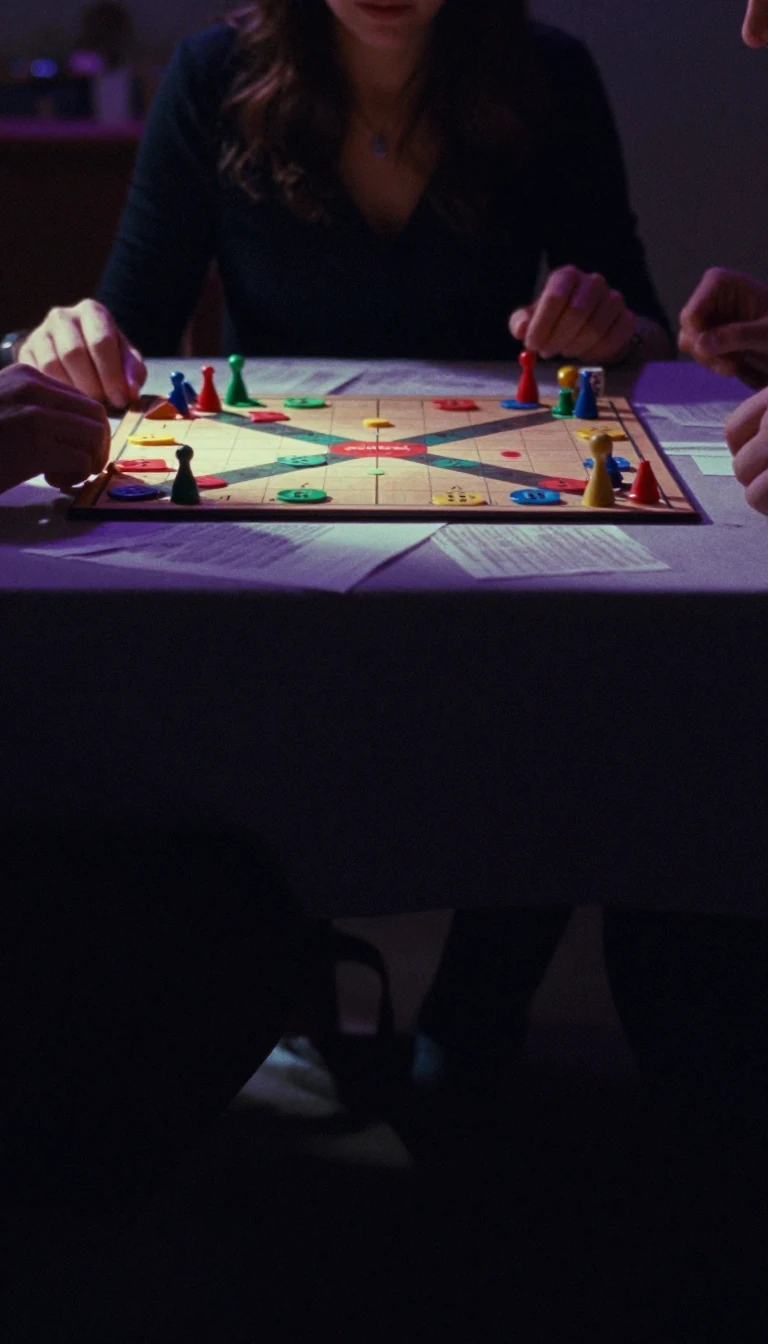 Huizinga's magic circle: why shoving is fine on the pitch but not outsideIn football, shoving an opponent out of the way is part of the game, yet the same move on the street could be illegal. Johan Huizinga's 1944 book Homo Ludens explained why: play h…
 Hula is not just a dance, but a sacred vessel for Hawaiian oral history.Far beyond the tourist-friendly imagery, hula is a complex, disciplined art form rooted in the preservation of genealogy, mythology, and spiritual mana. Whether performed as ancie…
 Hulda Garborg: The polymath who defined Norwegian national identity through dance and dressHulda Garborg was a formidable force in Norwegian culture, yet she remains best known for reviving the bunad tradition. A prolific playwright, novelist, and political activist, sh…
 Hulegu, Genghis Khan's grandson, carved out a Mongol state in PersiaWhen Möngke became Great Khan in 1251, he handed his brother Hulegu a staggering force, two-tenths of all the empire's fighting men, and orders to subdue southwest Asia. Hulegu to…
 Hull City returns to the Premier League after a decade in the wildernessAfter years away from the top flight, Hull City A.F.C. is back in the Premier League. Following a successful 2026 EFL play-off campaign, the club is preparing for its 123rd season…
 Hull Kingston Rovers make history with their first ever Super League treble victoryIn a decisive 24–6 victory at Old Trafford, Hull Kingston Rovers ended the dominance of the Wigan Warriors to claim their first Super League title. This win secured a historic tre…
 Huludao: The Gourd-Shaped Gateway Guarding the Entrance to Northeast ChinaKnown for its distinctive fiddle-like peninsula, this coastal city in Liaoning province serves as a vital strategic passage. Beyond its role as a modern industrial powerhouse for …
 Human activities and natural processes both drive the degradation of global water qualityA review of water quality research found that both human-driven activities and natural processes contribute to the decline of surface and groundwater systems. The researchers iden…
- Human activities drive high nitrate levels in Rajasthan groundwaterResearchers studying 90 groundwater samples in a semi-arid region of Rajasthan, India, found that most nitrate levels are influenced by human activities. The study observed that 9…
- Human activity has more than doubled the annual transfer of nitrogen into biological forms.Nitrogen is the silent engine of life, yet most of it remains locked away in our atmosphere. While natural processes like lightning and bacterial fixation once governed its flow, …
 Human activity is expanding the reach of dangerous seaweed patchesThe Bermuda Triangle has long been a source of maritime mystery, but modern science suggests we are actively creating more hazards like it. This video explores how human-driven en…
 Human activity is now the primary engine driving global coastal land loss and changeWhile tides and storms have always shaped our shores, satellite data reveals that human intervention is now the dominant force behind coastal morphodynamics. From dam construction…
 Human activity likely created the fertile dark soils of the AmazonResearchers studying Amazonian Dark Earths found evidence that these exceptionally fertile soils were shaped by human activity. While some scientists suggested these nutrient-rich…
- Human activity now accounts for half of all global nitrogen fixationA review of the global nitrogen cycle found that human activities are responsible for 210 Tg of the 413 Tg of reactive nitrogen entering ecosystems annually. This anthropogenic in…
 Human and AI translations of legal contracts still show distinct differencesResearchers comparing human and artificial intelligence translations of legal contracts found that significant differences remain between the two approaches. The study investigate…
 Human arrival did not cause widespread island extinctions during the PleistoceneResearchers who examined archaeological and paleontological records of Pleistocene islands found no evidence that human arrival triggered widespread extinctions. While humans are …
 Human biology is far more diverse than a simple binaryEmily Quinn shares her personal journey of discovering she was intersex at age 10. She challenges the societal and medical norms that demand humans fit into two rigid categories, …
 Human bones have become less robust over time due to changing physical demandsResearchers studying the genus Homo found that the thickness and strength of long bones have steadily decreased from the early Pleistocene to the present day. By comparing the fem…
 Human brains and deep language models share core principles for processing speechResearchers who compared human brain activity with artificial intelligence found that both systems use similar computational strategies to understand language. By recording the br…
 Human brains are naturally wired to incorporate technology into our sense of selfDrawing on cognitive science, Clark argues that humans are uniquely capable of fully integrating tools and cultural practices into our existence. This research suggests that our m…
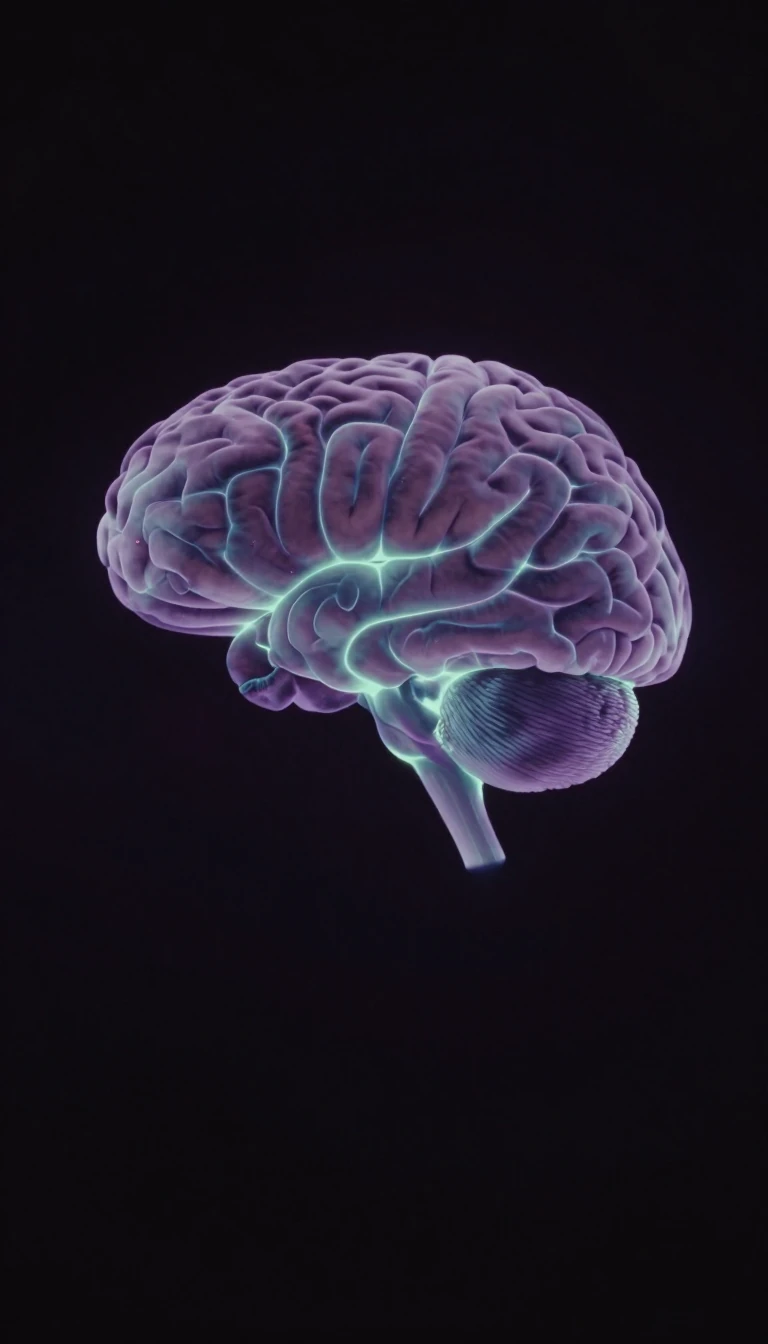 Human brains didn't evolve to meet our modern goalsOur complex cognitive abilities are not the result of a pre-planned evolutionary blueprint for modern life. Instead, they are the byproduct of ancestors surviving diverse environm…
 Human cancers show distinct p53 gene mutation patterns by tumor typeA review of the p53 tumor suppressor gene across many types of human cancer found that the kind of genetic error varies by tumor site. Transitions were common in colon, brain and …
 Human consumption and population growth have created a global environmental crisisResearchers have highlighted how the unprecedented rise in human population and consumption during the 20th century has triggered environmental crises unlike any seen in human his…
 Human conversation follows a universal timing pattern despite cultural differencesResearchers analyzing 10 different languages, ranging from major world tongues to indigenous communities, found that humans share a universal system for turn-taking. While differe…
 Human cultural complexity emerged as a mosaic rather than a sudden packageResearchers reviewing archaeological records of the Middle Stone Age found that human behavioral complexity did not appear as a single, sudden revolution. Instead of a uniform 'mo…
 Human eggs lack centrioles, so the father's sperm must supply themA human egg carries no centrioles at all. At fertilisation the sperm contributes two structurally different ones, and they build the embryo's first centrosome, the hub that organi…
 Human erections run on blood pressure, while a bird's run on lymphPenile erection is a hydraulic trick run by the nervous system. Nerve signals release nitric oxide, arteries widen, spongy chambers flood with blood and small muscles squeeze the …
 Human evolution is defined as much by the genes we lost as those gained.Our DNA contains thousands of inactive genes that reveal a hidden history of our species. This video explores how the loss of specific genetic material has shaped human evolution,…
 Human evolution is not a straight line but a complex, branching family bush.We often imagine human history as a linear march toward modernity, but the fossil record reveals a messy, interconnected story. Our ancestors lived alongside other hominin species…
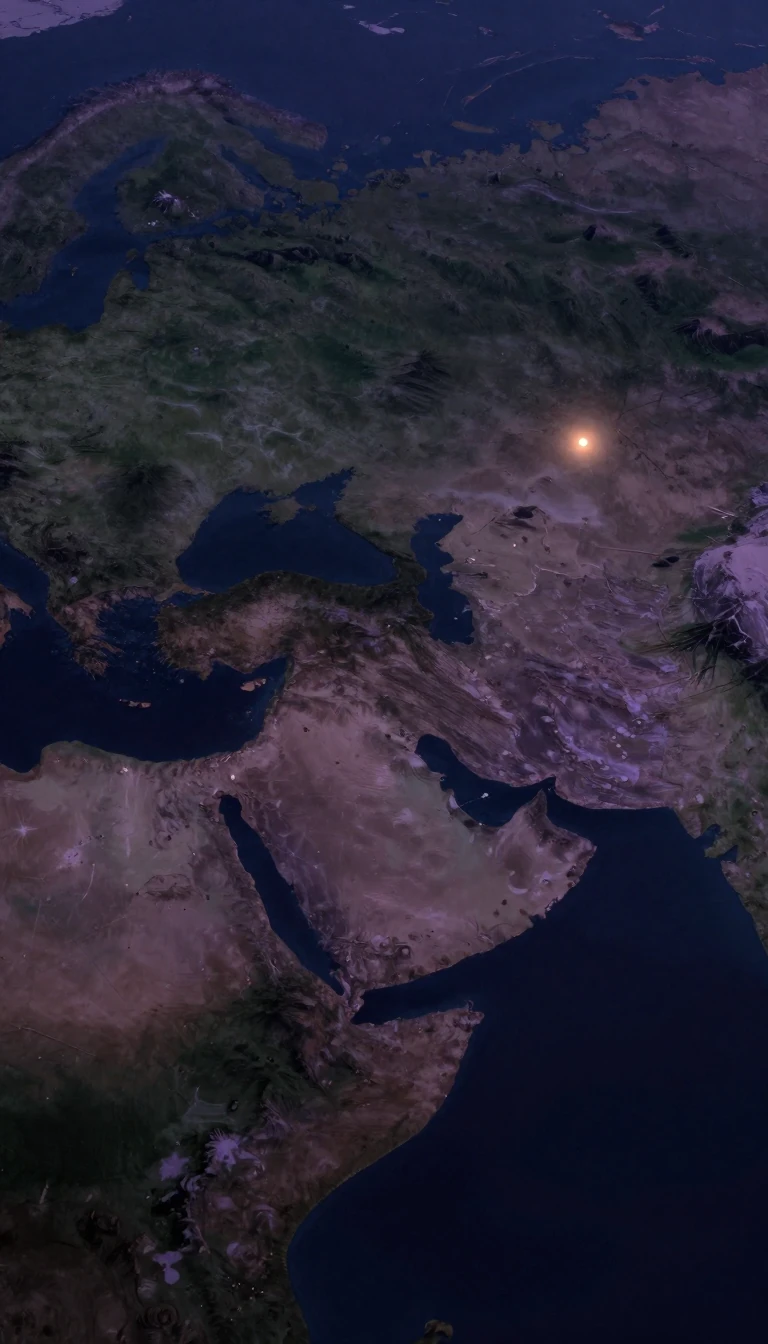 Human evolution was a complex web rather than a simple linear progressionA review of fossil and genetic evidence suggests that the history of Homo sapiens was far more intricate than a straight line of progress. By examining various Middle Pleistocene …
 Human eyes are blind to the vast majority of the universe's light spectrumWe perceive only a tiny sliver of the electromagnetic spectrum, from red to violet. Beyond our vision lie microwaves, X-rays, and infrared waves that hold the secrets of the cosmo…
 Human geography earned its first UK chair in 1883Human geography—sometimes called anthropogeography—maps how people inhabit and reshape space. England's Royal Geographical Society formed in 1830; the United Kingdom's first geogr…
 Human history extends far beyond the ancient civilizations we typically study.When we reflect on our past, we often focus on pyramids and early civilizations. However, these represent only a minuscule fraction of the human story. This video explores the vas…
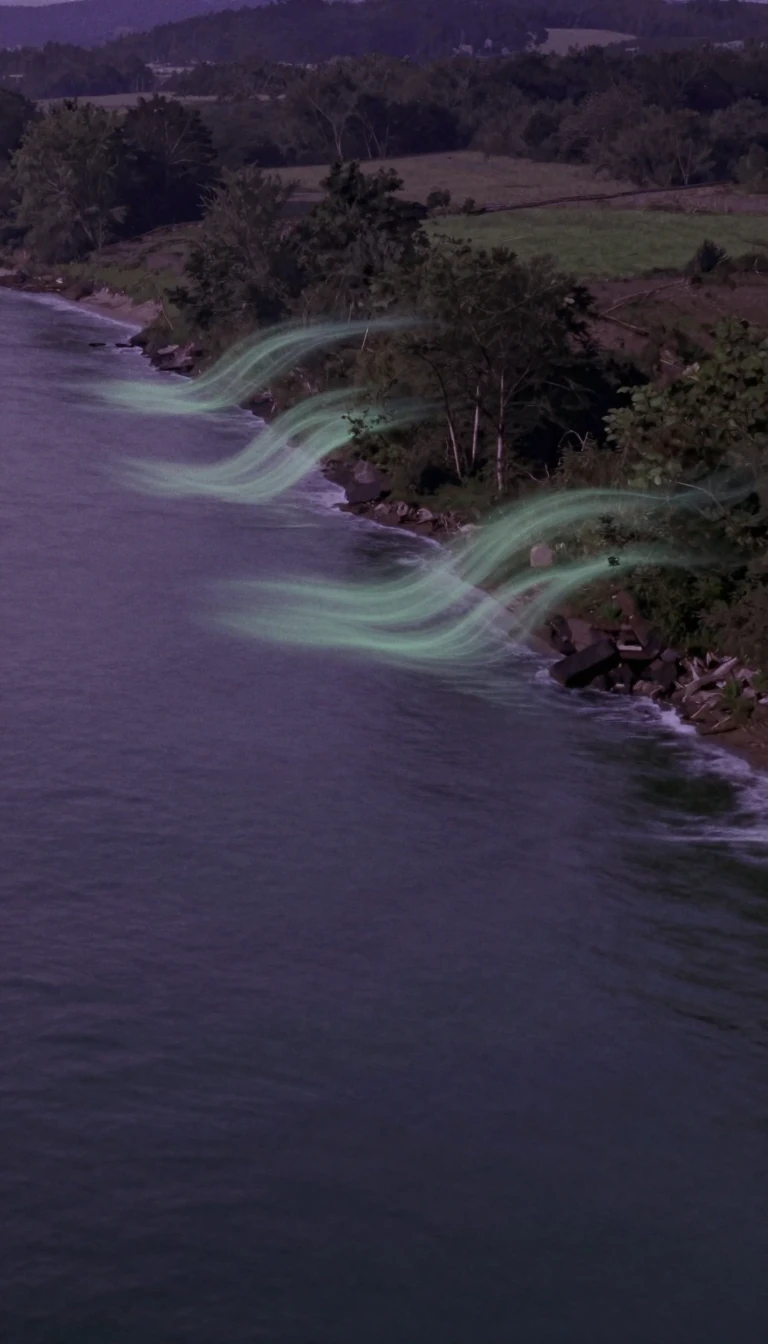 Human land use has fundamentally reshaped global ecosystems for over 10,000 yearsA review of archaeological and paleoecological evidence shows that human activities have been transforming Earth's ecology for millennia. From early hunting and foraging to modern…
 Human legs are 171 percent of trunk length; chimps manage 128Each human leg holds thirty bones, anchored by the femur, tibia and fibula. Evolution reshaped the whole limb for walking upright efficiently, something other primates can only do…
 Human migration patterns are more closely linked to megafauna extinction than climate changeResearchers who analyzed global mammal extinctions found that the disappearance of large animals was primarily associated with human movement rather than shifting climates. By exa…
 Human monkeypox cases are rising and affecting older age groupsA systematic review of literature on monkeypox found that the disease has seen a steady rise in human cases since the 1970s. While it was historically concentrated in parts of Afr…
 Human niche construction has fundamentally reshaped global biodiversity over millenniaResearchers who analyzed archaeological and paleoecological data found that human activities have dramatically altered the global biosphere. By the Late Pleistocene, humans began …
 Human reasoning evolved mainly to win arguments, not find truthPsychologists Hugo Mercier and Dan Sperber argue that human reasoning functions primarily to construct and evaluate persuasive arguments, rather than to uncover objective truth. D…
 Human reasoning relies on a positive test strategy rather than simple confirmation biasResearchers studying the logic of scientific and everyday investigation found that what is often dismissed as a harmful confirmation bias may actually be a functional positive tes…
 Human spaceflight has evolved from Cold War military rivalry to a commercialized global endeavor.Since Yuri Gagarin first orbited Earth in 1961, human spaceflight has transitioned from a state-sponsored race between superpowers to a diverse industry. Today, private companies …
 Human vision is not the gold standard for the natural worldWe often judge animal sight as either superior or inferior to our own. But vision is not a ladder of quality; it is a specialized tool. From prawns to birds, eyes have evolved as …
 Human-induced warming alters the frequency and patterns of global climate fluctuationsResearchers using a massive 100-member ensemble of climate simulations found that greenhouse warming does more than just raise average temperatures. The study observed that human-…
- Humanism began as a school syllabus before it became a worldviewLong before it meant a life without gods, humanism meant a reading list. Renaissance teachers used it for grammar, rhetoric, poetry, history and moral philosophy. A Bavarian theol…
 Humanity conquered the oceans long before we mastered the written word or the wheel.Long before history was recorded, humans were already master navigators. From the earliest dugout canoes to the sophisticated outrigger ships of the Austronesians, ancient seafare…
- Humanity has altered 70% of Earth's land, triggering a sixth mass extinction event.Environmental degradation is more than just pollution; it is the systematic reduction of nature's capacity to support life. From the loss of 68% of vertebrate wildlife since 1970 …
 Humanity has been genetically modifying the natural world for at least 50,000 yearsWe often fear modern genetic engineering as a radical departure from nature, yet evolutionary biologist Beth Shapiro argues it is merely the latest chapter in a long history. From…
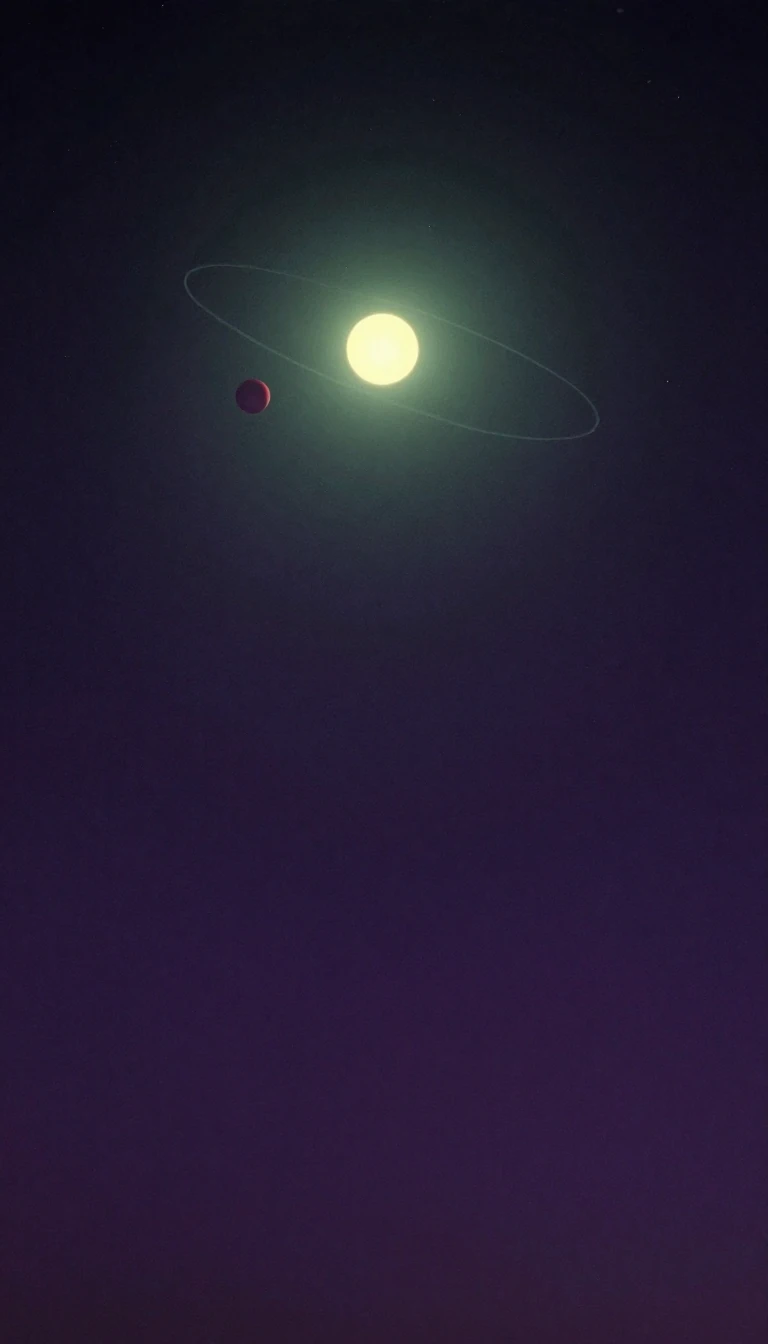 Humanity has been mapping the night sky for over thirty thousand yearsLong before modern telescopes, early humans were already charting the heavens. From ivory carvings in Ice Age caves to the sophisticated star maps of the Song dynasty, these celes…
 Humanity has been mastering the art of the campfire for nearly two million years.Long before modern convenience, our ancestors were building controlled fires to cook prey and deter predators. From the ancient, low-heat embers of the Kalahari to the sophisticat…
 Humanity has released over 1.5 trillion tonnes of carbon dioxide since the Industrial Revolution.Since the Industrial Revolution, human activity has pumped over 1.5 trillion tonnes of carbon dioxide into our atmosphere. Today, we emit 51 billion tonnes of greenhouse gas equiv…
 Humanity hit eight billion in 2022, but our era of explosive growth is ending.After 300,000 years of slow development, the global population surged to eight billion by late 2022. Yet, the rapid expansion that defined the 20th century is cooling. As fertilit…