 Intellect Plus
Cards starting with P
1,597 cards. Page 14 of 27.
 Pixar's first feature began after Disney rejected edgier draftsTin Toy's Oscar made Disney court Pixar, yet early Toy Story reels stalled until the team rewrote around a quieter idea: toys crave being played with. That rewrite yielded the fir…
 Pixar’s upcoming Gatto blends hand-painted aesthetics with computer animation in a Venetian gangster comedy.Set in the winding canals of Venice, Pixar’s latest feature follows Nero, a black cat questioning his existence under the thumb of a feline mob boss. Directed by Enrico Casarosa, …
 Pizza Hut got its name because the sign only had room for eight lettersTwo Wichita State students borrowed 600 dollars from their mother in 1958 and opened a pizza place. The sign they had fit just eight letters, so the name had to be short: Pizza Hu…
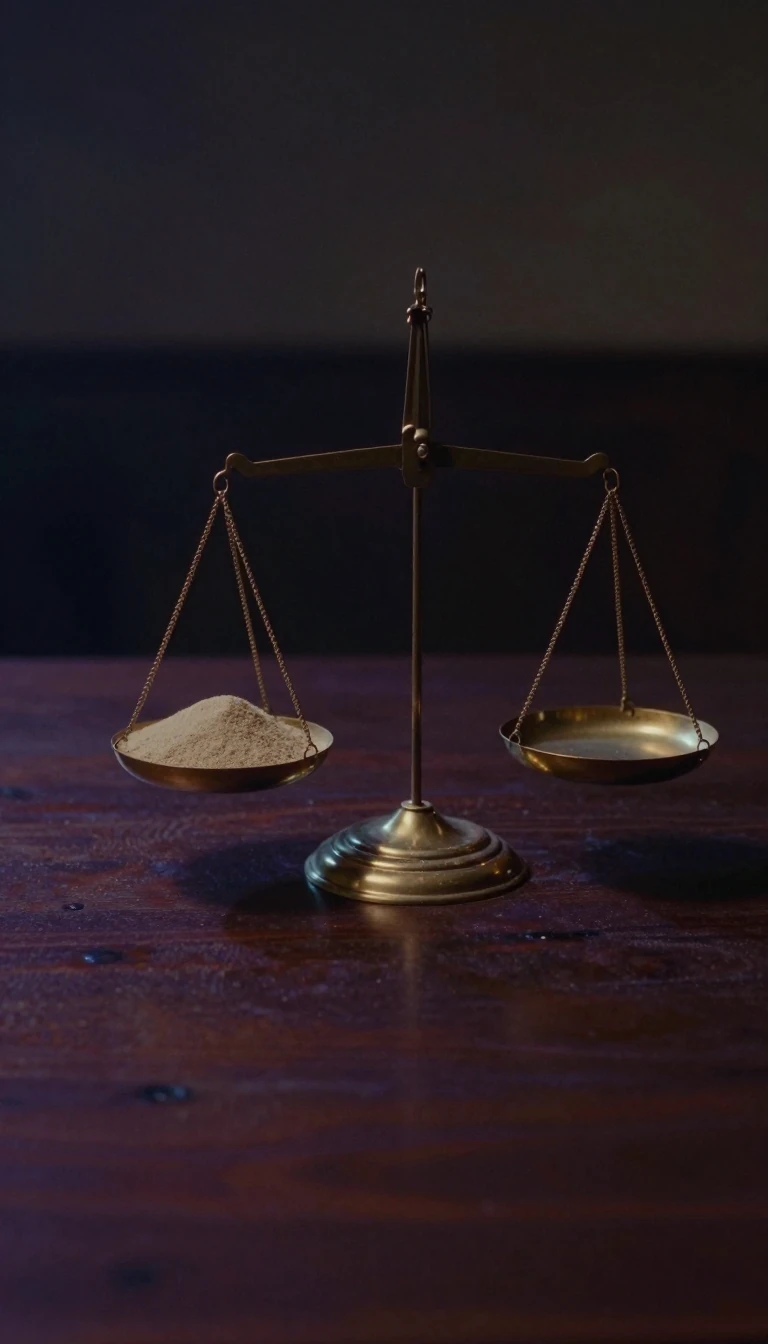 Place value lets the same digit mean ones or hundredsPositional notation makes a symbol's value depend on place as well as shape—each slot a power of the base. Roman numerals mostly add fixed symbols instead. Babylonians pioneered b…
 Placebos can work even when patients know they're placebos.In a 2010 Harvard trial, people with irritable bowel syndrome were openly given 'sugar pills' and told exactly that. They still reported markedly better symptom relief than a grou…
 Placing single metal atoms near light-absorbing sites multiplies hydrogen outputChemists built metal-organic frameworks containing single, isolated metal atoms anchored close to the framework's light-absorbing linkers, then tuned each atom's local chemical en…
 Plaek Phibunsongkhram: The Dictator Who Tried to Modernize Thailand Through Fascist-Inspired Cultural MandatesA military officer who rose to power after the 1932 revolution, Plaek Phibunsongkhram served as Thailand's prime minister for nearly two decades. He famously rebranded the nation,…
 Plagiarism literally means kidnapping, thanks to an angry Roman poetIn the first century the Roman poet Martial complained that a rival had kidnapped his verses, using the Latin word plagiarius, a kidnapper. The insult stuck. Ben Jonson brought pl…
 Plagioclase is the most common mineral group building the crust of our planet.Look closely at a piece of igneous rock and you are likely staring at plagioclase. This glassy, brittle mineral is not a single substance but a shifting spectrum of chemistry. It …
 Plague doctor, almanac seller, then prophet of fogMichel de Nostredame (December 1503–July 1566) trained as an apothecary, fought plague outbreaks, and only later Latinised his name for yearly almanacs. Les Prophéties (1555) pack…
 Plaice names four flatfish—and Europe’s favorite dinner flounderPlaice covers four flatfish species: European, American, Alaskan, and scale-eye. The European plaice (Pleuronectes platessa) is Europe’s principal commercial flatfish, also angled…
 Plains cover over a third of Earth's land, and they even exist on MarsFlat land sounds like the least interesting landscape imaginable, yet plains blanket more than a third of the world's continents and feed much of humanity. They are built by river…
 Planck units measure the universe using nature's constants instead of metal barsMost units start with an arbitrary object, a bar or a weight. In 1899 Max Planck proposed a set built only from universal constants: the speed of light, the gravitational constant…
 Planetary differentiation is the hidden engine that shaped Earth from a hot, chaotic sphere.Planets are not uniform lumps of rock. Through a process called differentiation, they sort their internal materials by density and chemical affinity. This thermal evolution, drive…
 Planetary gears borrowed their layout from ancient models of the heavensInside many gearboxes, small planet gears circle a central sun gear while meshing with a ring around the outside. The arrangement is named after epicycles, the circles on circles …
 Planetary nebulae have nothing to do with planets, and the Sun will make oneThrough early telescopes, these glowing rings looked like faint planetary disks, so the name stuck. They are actually the shed outer layers of dying stars, lit up by the exposed c…
 Planetary science reveals how our solar system formed and where life might exist elsewherePlanetary science explores the history and evolution of celestial bodies, from rocky planets to distant asteroids. By analyzing the chemistry of unfamiliar worlds and mapping zone…
 Planets are not born in their final positionsThe architecture of a solar system is rarely the result of static growth. Instead, it is a violent, dynamic history of migration and gravitational sculpting. From gas disks to bin…
 Planets return to the morning and evening skies throughout April 2025NASA's latest skywatching guide highlights the return of planets to our view after a quiet March. This month offers observers a chance to track planetary movements in both morning…
 Planners draft land, streets, and services before concrete setsUrban planning shapes land use and the built environment across air, water, transport, and related infrastructure. It steers growth from brand-new towns to repairs of older distri…
 Planning families means more than buying contraceptionFamily planning covers whether to have children, how many, and when—including choosing none—plus education, pre-conception care, and infertility help. UN definitions stretch past …
 Plant “filler” tissue also runs photosynthesis and storageGround tissue is everything in a plant that is neither dermal skin nor vascular plumbing—one of three main tissue systems. Its living parenchyma often looks like soft filler, yet …
 Plant anatomy left the garden surface for the microscopePlant anatomy—phytotomy—now means internal structure, especially cells and tissues, split from morphology’s outer form since mid-twentieth-century habit. Theophrastus sketched mor…
 Plant and animal networks organize around a central core of interactionsResearchers analyzing 52 mutualistic networks found that species interactions are not random. Instead, they discovered a highly nested structure where specialist species interact …
 Plant flavones promote beneficial bacteria to help maize thrive without nitrogenResearchers studying maize found that certain root-derived molecules, known as flavones, help enrich a specific group of bacteria called Oxalobacteraceae in the soil. This interac…
 Plant galls are sophisticated, insect-controlled microhabitats that function like benign tumors on vegetation.Far from being mere blemishes, plant galls are highly organized structures engineered by parasites to serve as both secure homes and nutrient-rich food sources. These abnormal out…
 Plant milk is not a modern invention but a centuries-old culinary tradition worldwide.While often viewed as a contemporary substitute for dairy, plant-based beverages have been consumed for centuries across diverse cultures. From medieval almond milk recipes to tra…
 Plant shape is compared, scaled, and never finished growingPlant morphology studies outer form and development—distinct from anatomy’s inner microscopy—and underwrites visual identification. Investigators compare homologues, map vegetativ…
 Plant-based milks are not a modern invention but a centuries-old culinary traditionWhile often viewed as a contemporary health trend, plant-derived liquids have been used for cooking and drinking since the Middle Ages. From medieval European almond milk to tradi…
- Plantains rank as the world's tenth most important staple foodPlantains and other cooking bananas feed a huge share of the tropics, ranking tenth among the world's staple foods. In Africa, plantains and bananas supply over a quarter of the c…
 Planting a fruit tree at home with expert guidance from the Royal Horticultural SocietyLearn the essential techniques for planting fruit trees in your own garden. This guide features insights from Marcus Chilton-Jones, the curator of RHS Garden Bridgewater, providin…
 Plants are composed of organs that operate by their own unique biological rules.Plants are not just simple greenery; they are complex organisms built from specialized organs. This video explores the fundamental structure of plants, including their roots, leav…
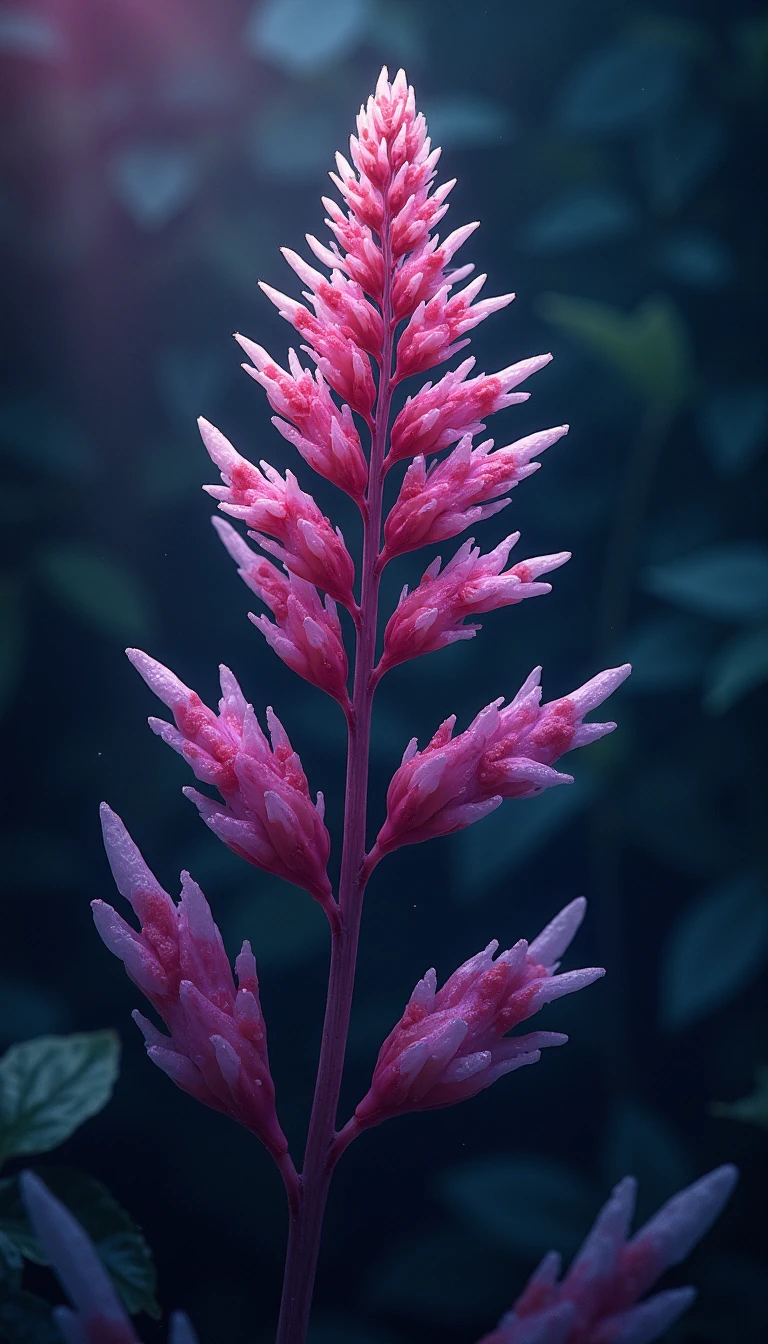 Plants are constantly waging chemical warfare to survive, and we can harness itPlants do not just sit there; they actively defend themselves by releasing potent antimicrobial and insecticidal compounds known as phytoncides. Coined in 1928, this term describe…
- Plants are engaged in a constant, invisible chemical war for their very survivalPlants are not passive victims; they are active combatants in a sophisticated biological arms race. Pathogens deploy enzymes, toxins, and hijacked hormones to breach cellular defe…
 Plants are far from passive scenery in our global ecosystemMove past the idea of plants as static background objects. This compilation explores how flora actively shape our world through complex communication, predatory behaviors, and sur…
- Plants are not isolated cells; they are connected by a vast, microscopic highway system.Plant cells are not solitary units. They are linked by thousands of microscopic channels called plasmodesmata, which form a continuous network across cell walls. This symplastic h…
- Plants are not just passive greenery; they are complex, chemically active, and highly responsive.Plants lack brains, nerves, and pain receptors, yet they are masters of environmental adaptation. They communicate via internal chemical signaling, manipulate light to fuel growth…
 Plants are not just passive scenery; they are engines of life on Earth.While plants appear stationary, their cells perform complex chemical transformations. This video examines the mechanics of photosynthesis and cellular respiration, explaining why …
 Plants are not just scenery; they are the silent architects of your daily life.Plants are everywhere, from the ingredients in your dinner to the fibers in your bedsheets. Yet, we often suffer from plant awareness disparity, ignoring the complex, civilization…
 Plants are not loners; they have social lives as complex as high schoolers.Plants interact in ways that mirror human social dynamics. By examining how they behave as individuals, populations, and communities, ecologists gain vital insights into how to be…
 Plants are not passive observers; they are complex, active biological machines.Plants appear stationary, yet they engage in sophisticated behaviors like chemical defense, resource transport, and environmental modification. This video explores the hidden mech…
 Plants are the world's primary biomass factories, converting sunlight into the fuel for life.Every living thing on Earth relies on a hidden, sun-powered engine. Primary producers, mostly land plants and marine phytoplankton, transform inorganic molecules into the organic …
- Plants became green by swallowing a bacterium 1.5 billion years agoEvery chloroplast descends from a cyanobacterium that took up permanent residence inside a host cell around 1.5 billion years ago. Astonishingly, it happened again far more recent…
- Plants build over 8,000 diverse compounds from a single, ancient metabolic pathwayThe phenylpropanoid pathway is the secret engine behind plant survival. By transforming simple amino acids into a massive array of over 8,000 metabolites, plants create everything…
 Plants emit a secret, invisible glow that reveals their health from spaceWhile plants appear silent, they constantly emit a faint fluorescence during photosynthesis. ESA's upcoming FLEX mission will use a specialized instrument to detect this signal fr…
- Plants keep pockets of stem cells working at their tips for lifeA meristem is plant tissue made of stem cells that never stop dividing and can become any cell type. Every leaf, flower, root and ring of wood traces back to one. The Swiss botani…
- Plants lack a nervous system, yet they navigate their environment with sophisticated chemical signals.Plants do not have brains, but they possess a complex internal communication network. Auxin, a vital phytohormone, acts as a mobile signal that coordinates growth, organ developme…
- Plants learned to eat animals at least twelve separate timesMeat-eating plants are not one odd family but a solution evolution reached repeatedly. True carnivory arose independently at least 12 times across five orders of flowering plants.…
- Plants move water through internal plumbing using physics that mirrors animal blood circulationPlants lack hearts, yet they move massive amounts of water from soil to leaves. This process, known as mass flow, relies on pressure gradients rather than simple diffusion. Unders…
 Plants possess a reproductive cycle that left traces in human biologyNonvascular plants like mosses and liverworts exhibit a complex life cycle inherited from algae. This video explores how these primitive organisms perfected a system of alternatin…
 Plants possess a sense of self, light, and gravity to guide their growth.Plants navigate their environment by sensing light, gravity, and their own physical orientation. This video explores how plants process these signals to determine the direction of…
- Plants possess an internal stopwatch powered by their own metabolismHow does a stationary organism know when to flower or move its leaves before the sun even rises? Without brains or muscles, plants maintain a sophisticated 24-hour biological time…
- Plants possess skin, hair, and microscopic structures that resemble alien mouths.Plants share surprising anatomical similarities with humans, including skin and hair. This video explores the microscopic world of plant tissues to reveal the structures that make…
 Plants possess sophisticated immune systems that can even warn neighbors of impending pathogen attacksPlants are constantly assaulted by bacteria, viruses, and fungi, yet they lack white blood cells. Instead, they have evolved complex defense mechanisms that include cellular suici…
- Plants produce complex chemical defenses that are not essential for their own survivalSecondary metabolites are organic compounds produced by plants and other organisms that are not required for basic growth or reproduction. Instead, these substances mediate ecolog…
- Plants run on hormones without a single gland to make themAnimals make hormones in dedicated glands. Plants have none, yet almost any plant cell can produce the signalling chemicals that control growth, flowering, defence and dormancy. T…
 Plants speak in symptoms: decoding the language of yellow leavesWhy is your garden struggling? This video explores how to interpret visual cues like stunted growth and discoloration to diagnose underlying issues with weather, soil, or genetics.
 Plants use a chemical 'double agent' to balance growth and survivalStrigolactones are master regulators of plant life, but they play a dangerous game of chemical signaling. While they help plants find nutrients and manage their own architecture, …
- Plants use complex chemical metabolites to defend against various herbivore attacksA review of plant biology found that plants produce secondary metabolites (PSMs) as sophisticated defense tools. These chemicals are synthesized in response to injury, helping pla…
 Plants use rapid lipid signaling to respond to cold temperaturesResearchers studying Arabidopsis thaliana found that non-freezing cold temperatures trigger a very rapid increase in the signaling lipid phosphatidic acid, peaking within just two…