 Intellect Plus
Cards starting with P
1,597 cards. Page 17 of 27.
 Polyhedra are 3D shapes with flat faces and sharp edgesCall a solid polyhedral when flat polygonal panels meet along straight hinges at sharp corners—Greek “many bases.” Rival definitions quarrel at the edges, yet convex cases agree: …
 Polymaths faded as knowledge exploded, yet may matter more than everAncient and medieval scholars could roam freely across disciplines. From the 17th century, as discoveries poured in, mastering many fields grew nearly impossible. Cambridge histor…
 Polymers are the massive, repeating molecular chains that build both life and modern industry.While we often associate polymers with synthetic plastics, they are the fundamental architecture of the natural world. From the proteins in your cells to the cellulose in wood, th…
 Polymorphism allows code to handle multiple data types through a single unified interface.In computer science, polymorphism enables a single operation to function across various data types. Borrowed from biology, this concept allows programs to be more flexible and exp…
 Polynesians crossed thousands of miles of ocean with no instruments at all.Long before European explorers arrived, Polynesian navigators found and settled almost every island in a vast triangle of the Pacific, from Hawaii to New Zealand to Easter Island.…
 Polynomial long division is the algebraic secret to breaking down complex mathematical structures.Think of polynomial long division as the algebraic cousin of the arithmetic long division you learned in grade school. By systematically breaking down complex polynomials into sim…
 Polynomial zeros became geometry's modern languageAlgebraic geometry turns systems of polynomial equations into shapes—curves, surfaces, and higher varieties—then studies those shapes with commutative algebra. Twentieth-century a…
 Polynomials are finite sums of power terms—no endless seriesA polynomial combines variables and coefficients using only addition, subtraction, multiplication, and nonnegative integer powers, in finitely many terms. The word fuses Greek pol…
 Polyols are the invisible backbone of everything from your mattress to your chewing gum.Defined simply by having multiple hydroxyl groups, polyols are a diverse family of organic compounds. They range from the sugar alcohols in your gum that prevent tooth decay to th…
 Polyphenols are nature's versatile chemical toolkit, powering everything from plant defense to leather tanning.Abundant in plants and essential to their survival, polyphenols are a massive family of compounds that act as everything from UV screens to growth regulators. Beyond their ecologi…
 Polysaccharides are sugar chains that became fuel, armour and paperPolysaccharides are long chains of simple sugars, sometimes thousands of units long. Linked one way they become starch in potatoes or glycogen in your liver, ready to be burned; b…
 Polystyrene is a ubiquitous synthetic marvel that refuses to disappear from our environmentFrom the clear, brittle plastic in your laboratory Petri dish to the lightweight foam insulating your home, polystyrene is everywhere. While this versatile polymer revolutionized …
 Polytrauma is a complex medical condition defined by multiple severe, concurrent physical injuries.Polytrauma is more than just a collection of wounds; it is a clinical state where multiple body systems are compromised simultaneously. Often triggered by high-velocity accidents …
 Polyurethane began as a way around a rival's patents and ended up in everythingOtto Bayer's team in Leverkusen first made polyurethanes in 1937, partly because they sidestepped Wallace Carothers's patents on polyesters. Today the same chemistry gives soft ma…
 Polyurethane wheels revived skateboarding after a 1960s crashSkateboarding began as California “sidewalk surfing” when surfers wanted dry-land thrills. A 2009 estimate put the market near 4.8 billion dollars a year with about 11 million rid…
 Pomerania, the Baltic 'land by the sea' that Poles and Germans define differentlyStretching along the southern Baltic from near Rügen to the Vistula, Pomerania holds Germany's biggest island, Poland's biggest island and the port of Gdańsk. Its Slavic name simp…
 Pompeii had one hundred fifty-eight ready-food countersA restaurant prepares meals for customers to eat on site, take away, or receive by delivery. The French root means to restore. Long before Parisian dining rooms, Sumerian Lagash, …
 Pompeii shoppers followed a weekly market timetable scratched on a wallOutside a large shop in Pompeii, someone scrawled the local market calendar. On Saturn's day, traders set up in Pompeii and Nuceria; on the Sun's day they moved to Nola and Atella…
 Pompey built a private legion from his father's veterans and marched it to SullaIn his early twenties, Pompey recruited and equipped an entire legion from his father's veterans and marched it to join Sulla. The dictator hailed him as imperator and later dubbe…
 Pomponius Mela: The Roman Geographer Whose Vision of the World Lasted Fifteen CenturiesPomponius Mela was the earliest known Roman geographer, yet his concise treatise on the world remained a standard reference until the year 1500. While his style was famously dry, …
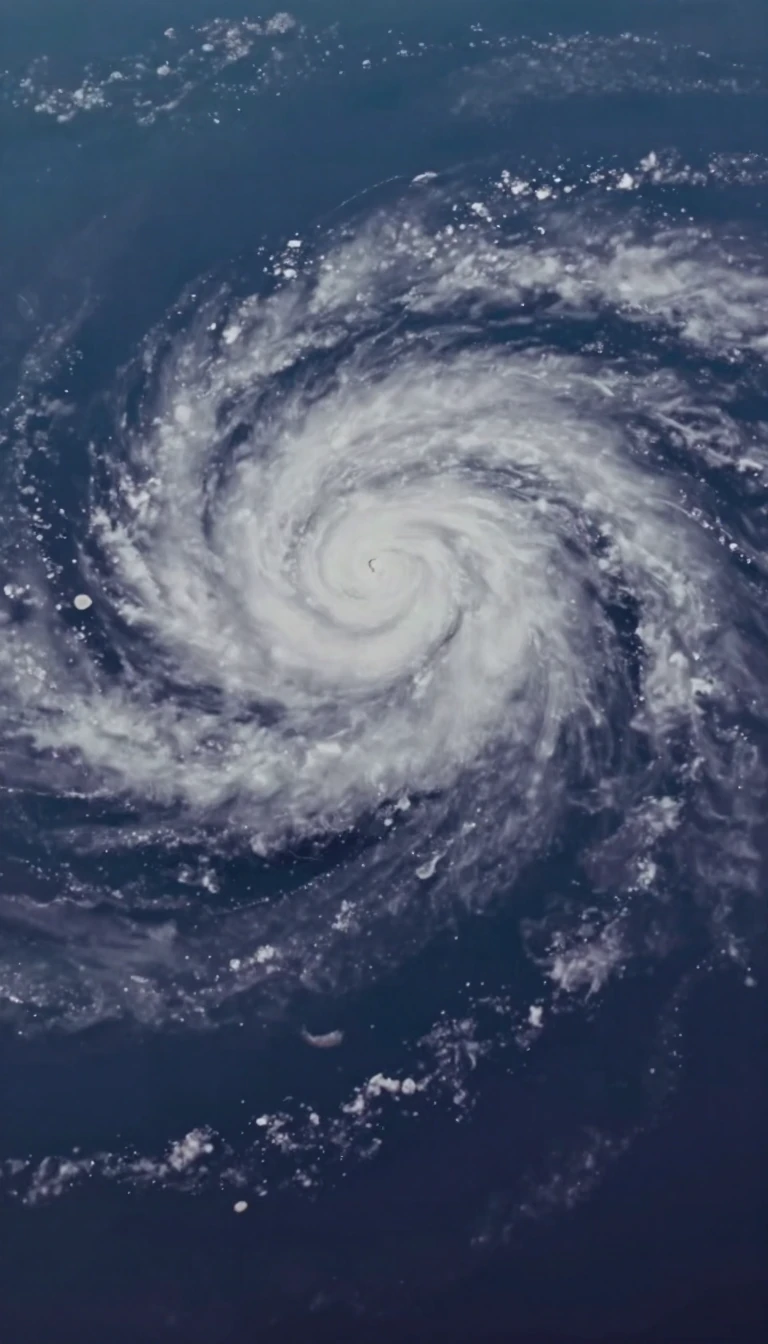 Ponce de León’s “flowery Easter” named a tropical U.S. peninsulaFlorida, a southeastern U.S. state between Gulf and Atlantic, is two-thirds a peninsula toward the Straits and Bahamas. Juan Ponce de León landed in 1513, calling it La Pascua Flo…
 Pondicherry stayed French until 1954, and France took until 1962 to agreeOn India's southeast coast sits a city once nicknamed the French Riviera of the East. France ruled Pondicherry on and off for centuries, handed it over in practice on 1 November 1…
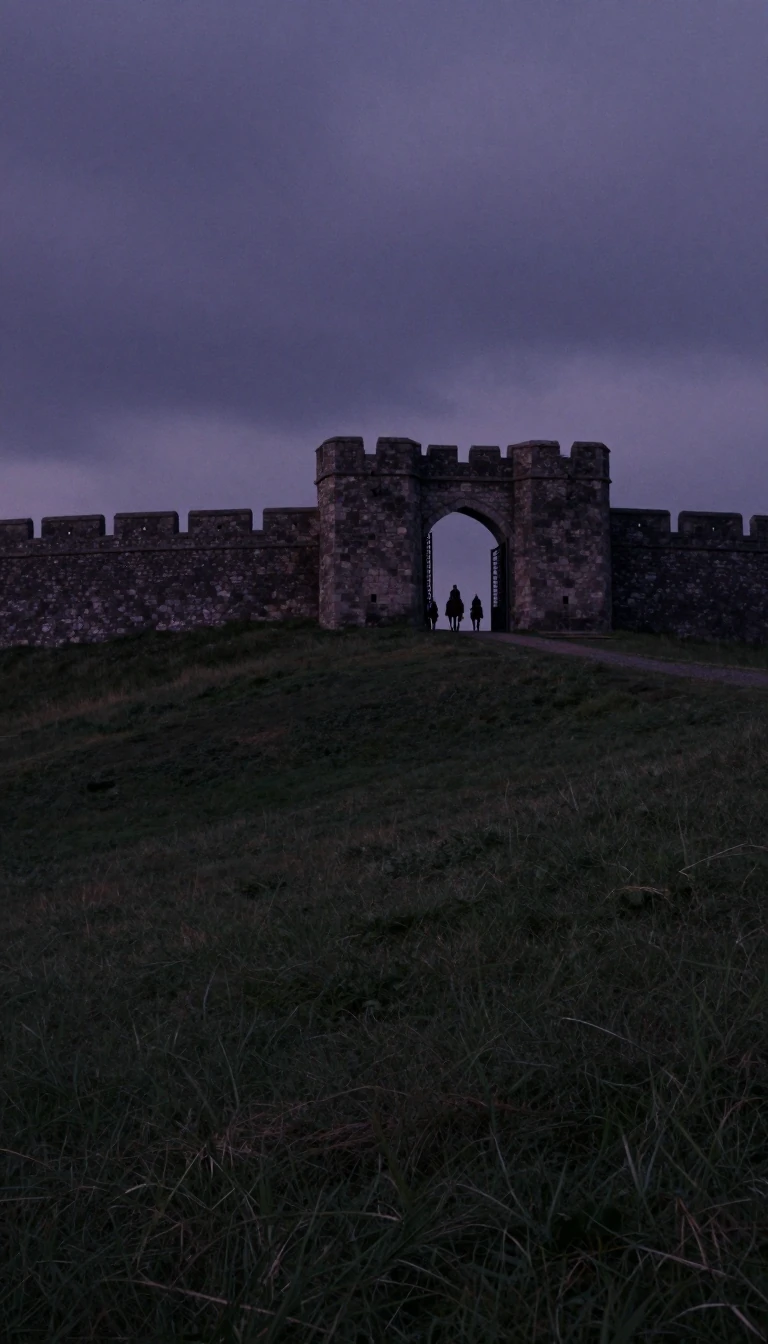 Pontefract Castle: A medieval fortress that hosted kings, martyrs, and its own destruction.Once a formidable seat of power in West Yorkshire, Pontefract Castle served as a royal residence, a prison for deposed monarchs, and a flashpoint for civil war. Today, its ruins r…
 Pontiac was meant as Oakland's sidekick and swallowed its parent within seven yearsGeneral Motors launched Pontiac in 1926 as a cheaper companion to its Oakland cars. The newcomer sold so well that by 1933 Oakland was gone. Pontiac lasted until a white G6 rolled…
 Pontus is the ancient Greek personification of the sea, yet he has no stories.In Greek mythology, Pontus represents the sea itself, yet he remains a silent, background figure. Unlike the dramatic Olympians, he never appears in myths. Instead, he exists sole…
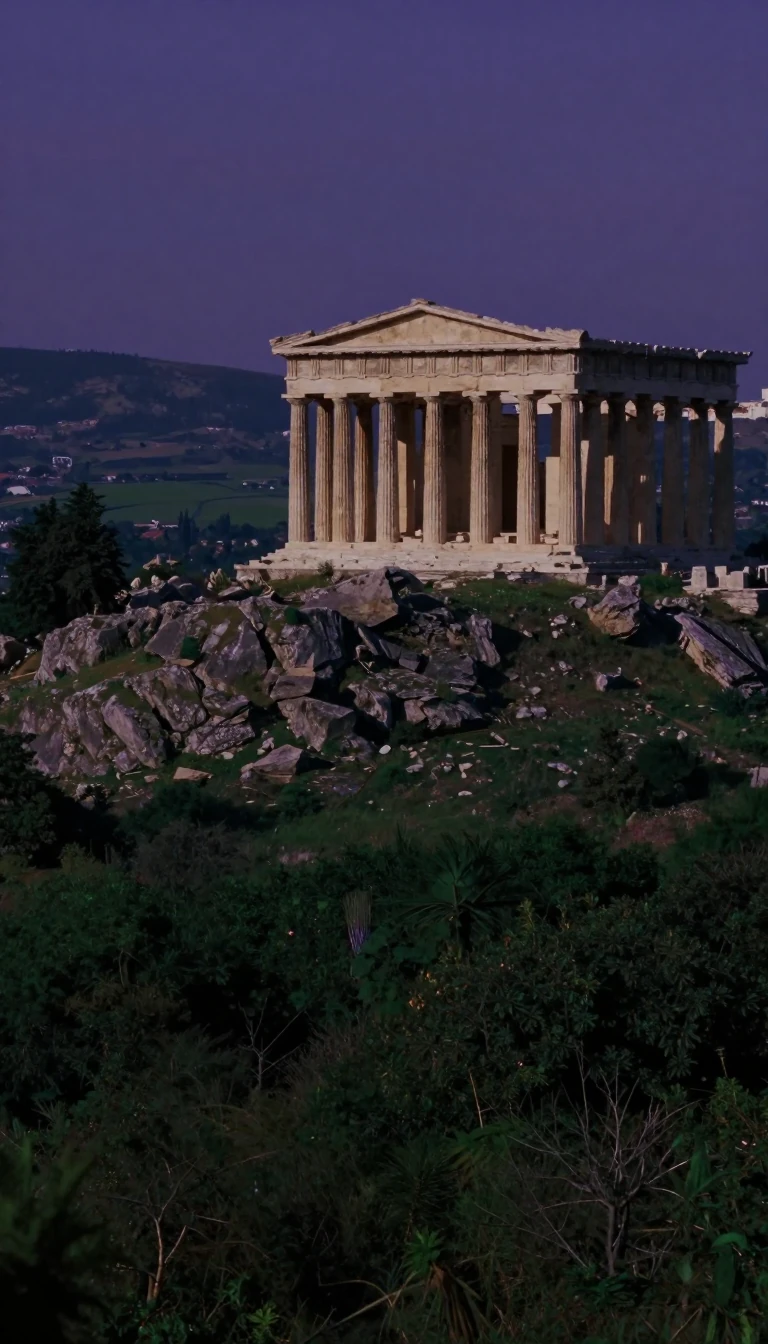 Pontus: The Ancient Anatolian Crossroads That Briefly Defied the Might of RomeTucked between the Black Sea and the rugged mountains of northeastern Anatolia, Pontus was once a formidable independent kingdom. Emerging from the wake of Alexander the Great, th…
 Pooh's Latin translation made the New York Times bestseller listAlexander Lenard's Winnie ille Pu (1958) became, in 1960, the only Latin book ever to land on The New York Times Best Seller list. The honey-loving bear of Ashdown Forest had alre…
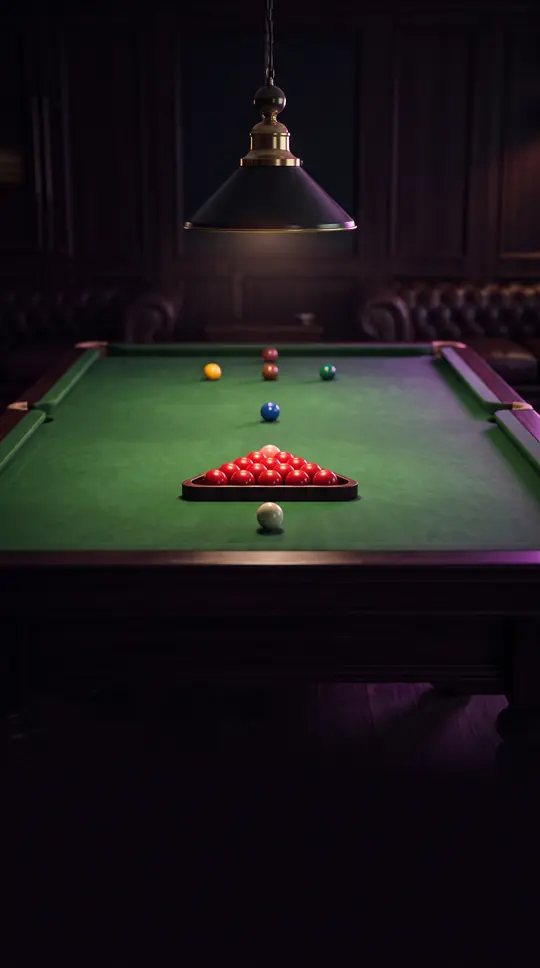 Pool, snooker, and carom share one stick and three rule familiesCue sports use a stick to drive cloth-bound balls inside cushioned rails. Three big families split the table: pocketless carom games, six-pocket pool (eight-ball most popular worl…
- Pool's name may trace to a medieval game of stoning a chickenNobody knows for sure why pool is called pool. One theory from the Oxford English Dictionary points to the French poule, hen, and a medieval game in which players chipped into a s…
 Pooling many studies into one sharper effect sizeMeta-analysis combines quantitative results from independent studies that ask the same question, extracting effect sizes and variances to form a pooled estimate. Extra statistical…
 Poor Latin nearly kept Dirichlet, a founder of analytic number theory, out of academiaGustav Lejeune Dirichlet never mastered Latin, and it dogged him for decades. It cost him his school leaving exam, forced Bonn to hand him an honorary doctorate instead of a norma…
 Pop art started in London collages before Warhol’s soup cansBritish artists studied American ads from afar in the 1950s; Eduardo Paolozzi's 1947 collage I was a Rich Man's Plaything tucked the word "pop" in revolver smoke. By August 1962 N…
 Pope Benedict XIV: The Scholar-Prince Who Tried to Modernize the Eighteenth-Century PapacyBorn Prospero Lambertini, Benedict XIV was a rare polymath on the papal throne. He navigated a crumbling treasury, rising secularism, and intense theological debates with a blend …
 Pope Damasus I: The Bloody Rise of the First Society PopeDamasus I transformed the papacy during a volatile era, overseeing the canonization of scripture and the creation of the Vulgate. Yet, his ascent to power was marked by brutal fac…
- Pope Eugene IV: A turbulent papacy defined by exile, conciliar struggle, and moral ambiguityElected in 1431, Pope Eugene IV spent nearly a decade in exile, fled Rome disguised as a monk, and battled the Council of Basel for supremacy. His legacy remains a complex tapestr…
- Pope Francis: The First Jesuit and Latin American Leader of the Catholic ChurchJorge Mario Bergoglio, known as Pope Francis, broke centuries of tradition as the first non-European pope since the 8th century. His papacy was defined by a commitment to humility…
- Pope Gregory IX: The Architect of Papal Law and the Medieval InquisitionIn the 13th century, Pope Gregory IX transformed the Church into a legal powerhouse. By centralizing judicial authority and establishing the Inquisition, he sought to replace erra…
- Pope Gregory VIII reigned just 57 days but launched the Third CrusadeAlberto di Morra spent decades as a papal diplomat before being elected pope in October 1187. Within weeks he had patched up relations with the Holy Roman Emperor and issued the b…
 Pope Innocent IV transformed nepotism into a standard tool of papal political survivalSinibaldo Fieschi, known as Pope Innocent IV, was a master of canon law who weaponized his family ties to combat the Holy Roman Emperor. By distributing ecclesiastical benefices t…
 Pope John XXII turned the medieval papacy into a centralized, regulation-heavy administrative machine.Reigning from 1316 to 1334, John XXII was the second pope to reside in Avignon. He transformed church governance through aggressive centralization, clashed with emperors and radic…
 Pope Leo X was made a cardinal at 13 and a priest only after his electionGiovanni de' Medici received the tonsure at seven, held dozens of income-paying church posts by ten and was named a cardinal at 13. When he was elected pope on 9 March 1513, he wa…
- Pope once meant any senior bishop; Rome only claimed it laterThe title comes from the Greek pappas, father, and early Christians in the East gave it to bishops generally. The first known use honoured a patriarch of Alexandria, Heraclas. Onl…
- Pope Pius VI: The last pontiff to die in exile from Italian soilElected in 1775, Pope Pius VI navigated a turbulent era defined by Enlightenment skepticism and the violent upheaval of the French Revolution. His long reign ended in dramatic fas…
 Pope Sixtus IV: The Renaissance Builder Who Transformed Rome and Normalized NepotismFrancesco della Rovere rose from humble origins to lead the Catholic Church as Pope Sixtus IV. While he is remembered for commissioning the Sistine Chapel and founding the Vatican…
 Popeye credited spinach with vitamin A, not the famous ironEveryone assumes Popeye's muscles came from iron in spinach. Yet in a 1932 strip the sailor himself says spinach is full of vitamin A, and spinach is no better an iron source than…
 Popeye was never just a sailor; he was a complex, evolving comic strip legendCreated by Elzie Crisler Segar in 1929, Popeye began as a minor character before becoming a global icon. While cartoons cemented his spinach-fueled strength, the original comic st…
- Poppy latex shaped ritual, surgery, and modern lipid scienceOpium is dried latex from Papaver somniferum seed capsules—about twelve percent morphine plus codeine, thebaine, papaverine, and noscapine. Scoring immature pods yields sticky res…
 Popular music was a sheet-music business long before records and radioBefore anyone could buy a record, popular music meant cheap printed sheet music, played by middle-class amateurs around the family piano. The song publishers of New York's Tin Pan…
 Popular statistical method for matching data may actually increase bias and imbalanceResearchers analyzing propensity score matching (PSM) found that this widely used technique for causal inference often fails to achieve its intended purpose. Instead of balancing …
 Population in Argentina is at a record highAt 45.9 million in 2025, population in Argentina is the highest in World Bank data going back to 1960.
 Population in Argentina, 1960 to 2025Population in Argentina rose from 20.4 million in 1960 to 45.9 million in 2025, according to World Bank data.
 Population in Australia is at a record highAt 27.6 million in 2025, population in Australia is the highest in World Bank data going back to 1960.
 Population in Australia, 1960 to 2025Population in Australia rose from 10.3 million in 1960 to 27.6 million in 2025, according to World Bank data.
 Population in Brazil is at a record highAt 212.8 million in 2025, population in Brazil is the highest in World Bank data going back to 1960.
 Population in Brazil, 1960 to 2025Population in Brazil rose from 72.4 million in 1960 to 212.8 million in 2025, according to World Bank data.
- Population in Canada is at a record highAt 41.7 million in 2025, population in Canada is the highest in World Bank data going back to 1960.
 Population in Canada, 1960 to 2025Population in Canada rose from 17.9 million in 1960 to 41.7 million in 2025, according to World Bank data.
 Population in Chile is at a record highAt 19.9 million in 2025, population in Chile is the highest in World Bank data going back to 1960.
- Population in Chile, 1960 to 2025Population in Chile rose from 8.2 million in 1960 to 19.9 million in 2025, according to World Bank data.
 Population in China passed 1 billionPopulation in China passed 1 billion in 1982. The latest value, for 2025, is 1.4 billion.