 Intellect Plus
Cards starting with P
1,597 cards. Page 19 of 27.
 Portable vs. Automatic: Which Generator Truly Powers Your Home?Selecting a home generator involves weighing cost against convenience. Before investing, consider your actual power needs and how you plan to use the backup energy. The choice bet…
 Portage is both a historic method for moving boats and a modern educational program.The word portage describes two vastly different worlds. In geography, it is the grueling practice of hauling heavy canoes over land to bypass river obstacles. In early childhood e…
 Portland International Airport completes a massive two billion dollar architectural transformation.Portland International Airport recently underwent a significant two billion dollar renovation. This video explores the scale and design of the project, detailing the construction …
 Portland International Jetport: A Century of Evolution from Biplane Field to Regional HubPortland International Jetport, known as PWM, serves as a vital multi-use facility for Maine. While it handles everything from light general aviation to heavy military aircraft, i…
 Portland, Maine, has a phoenix on its seal after four ruinous firesPortland, Maine, has been wiped out more than once. Abenaki fighters destroyed the village in 1676, French raiders in 1690, the Royal Navy burned it in 1775, and a Fourth of July …
 Portland's WNBA return revives the Fire name after a failed bid and massive investmentAfter a failed expansion attempt in 2023, Portland has officially returned to the WNBA. The new franchise, owned by the Bhathal siblings, has revived the Portland Fire name—a nod …
 Portraiture began with plastered skulls nine thousand years agoBefore Mona Lisa, Levantine communities rebuilt faces on ancestral skulls between 9000 and 6000 BC—among the oldest sculptural portraits. Faiyum funeral panels later preserved Gre…
 Portsmouth F.C. is the only professional English football club located off the British mainland.Based on Portsea Island, Portsmouth F.C. has navigated a century of extreme volatility. From winning consecutive First Division titles in the late 1940s to enduring multiple finan…
 Portugal built the first global sea empire—then overstretchedEurope's earliest and longest-lived colonial empire began as a hunt for African gold and Asian spices. From Ceuta in 1415 to a chain of forts linking Lisbon to Nagasaki by 1571, P…
 Portugal fought a thirteen-year war to keep its African colonies from gaining independence.Between 1961 and 1974, Portugal’s Estado Novo regime waged a brutal, protracted conflict against nationalist movements in Angola, Mozambique, and Guinea-Bissau. While the rest of …
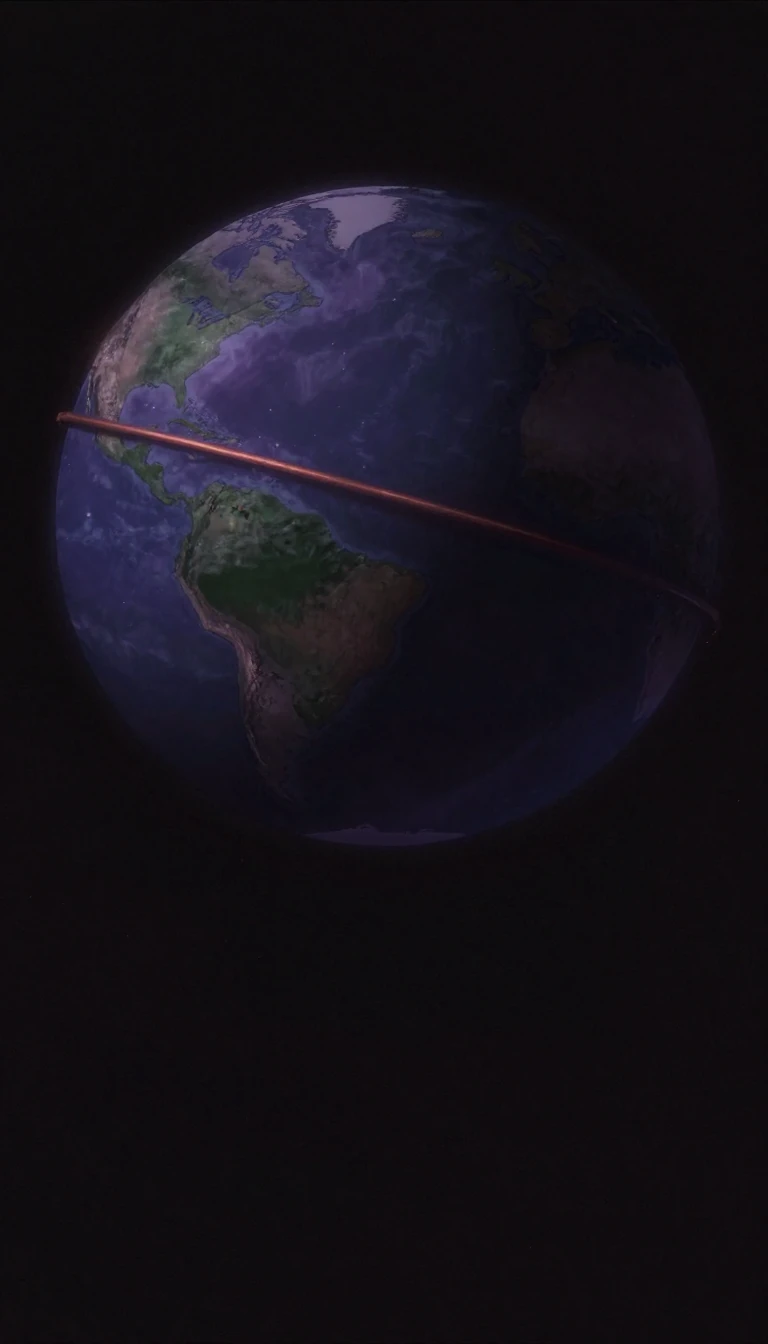 Portugal ran the first long-term science project on Atlantic winds and currentsLong before oceanography had a name, Portuguese navigators were systematically mapping Atlantic winds and currents, decade after decade, under threat of death for anyone who leake…
 Portugal's 800-year monarchy was ruled by only four royal housesFor nearly eight centuries, the Portuguese throne was a seat of complex dynastic shifts and overlapping titles. From medieval counts to emperors of Brazil, the crown evolved throu…
 Portugal's borders froze after the Algarve fell in 1249Afonso Henriques proclaimed himself king in 1139 after Portugal split from Galicia in 1095. The Algarve was taken from Muslim rule in 1249, Lisbon became capital in 1255, and the …
- Portugal's colony became a tropical empire under Pedro IIThe Empire of Brazil spanned nineteenth-century lands of modern Brazil and, until 1828, Uruguay. Unlike many Spanish American republics, it kept relative stability, growth, and co…
 Portugal's first king began by defeating his own mother in battleAfonso Henriques was exiled by his mother at twelve. At about twenty he beat her army near Guimarães, sent her off to Galicia and took charge of the County of Portugal. Over the n…
 Portugal's first republic got through 45 governments in just 16 yearsBetween the revolution of 5 October 1910 and a military coup on 28 May 1926, Portugal had eight presidents and 45 ministries. The First Republic was less a stable system than a tu…
 Portugal's grandest medieval church was a gift from a king to a saintFounded in 1153 by King Afonso Henriques, the Alcobaça Monastery stands as a testament to Cistercian austerity and royal ambition. This massive Gothic complex, which remains the l…
 Portugal's historic first major title was decided by a late substituteIn one of football's most dramatic turnarounds, Portugal secured their maiden European Championship trophy in the 108th minute. After a grueling stalemate against hosts France, a …
 Portugal's King Luís turned down Spain's crown and translated Hamlet insteadIn 1869 Spain went shopping for a new monarch and looked hard at Portugal's King Luís. He refused in print: born Portuguese, he declared, and Portuguese he would die. Accepting mi…
 Portugal's national day marks the poet of The LusiadsLuís Vaz de Camões—born around 1524 or 1525, dead 10 June 1580—is hailed as Portugal's greatest poet, ranked beside Shakespeare, Milton, and Homer. Os Lusíadas so shapes the tongu…
 Portugal's national flag was a radical political statement born from a 1910 revolutionAdopted after the 1910 overthrow of the monarchy, Portugal's flag replaced traditional royal blue and white with revolutionary red and green. While these colors were later given p…
- Portugal’s first Age of Discovery landfall still makes fortified wineMadeira, an autonomous Portuguese region about 805 kilometres southwest of the mainland, was claimed in 1419 for Prince Henry the Navigator and settled after 1420—the first territ…
- Portugal’s global reach once spanned from the frozen coast of Canada to South AmericaWhile Brazil is the enduring legacy of Portuguese expansion, the empire’s early ambitions stretched far beyond the tropics. From failed fishing outposts in Newfoundland to the str…
 Portuguese cuisine is defined by Atlantic roots, global spice trade, and ingenious survival tactics.From the forced culinary adaptations of the Inquisition to the 365 ways to prepare salted cod, Portuguese food is a masterclass in history. It blends simple, rugged Atlantic ingre…
 Portuguese explorers sought a path to Asia but found a gold-rich African coast instead.In the 15th century, Portugal launched an ambitious oceanic enterprise to reach Asia by circumnavigating Africa. While their primary goal remained the East, their discovery of the…
 Portuguese literature began with sung verse long before the first written documents survived.While Portugal's literary history is often defined by its famous Renaissance epics and modern novelists, its true origins lie in a vibrant, indigenous tradition of oral poetry. Be…
 Portuguese maps named a coast for ivory, not for today’s bordersCôte d’Ivoire—Ivory Coast—faces the Gulf of Guinea with political capital Yamoussoukro inland and economic weight on the shore. Fifteenth-century Portuguese skippers tagged West A…
 Portuguese maps wrote Monomotapa for a Shona royal titleOn the northern Zimbabwean Plateau, the Mutapa Empire—also Mwenemutapa or Munhumutapa—grew from Shona statecraft along Zambezi trade. Portuguese writers rendered the king's title …
 Portuguese reached Benin City around 1485Capital of Nigeria's Edo State and the country's fourth-largest city by some counts, Benin City grew wealthy in the sixteenth and seventeenth centuries on southern Nigerian trade.…
 Portuguese shrimp-river explorers reached Douala about 1472Douala is Cameroon’s largest city and economic capital, seat of the Littoral Region, long home to Central Africa’s biggest port. Portuguese visitors about 1472 named the Wouri est…
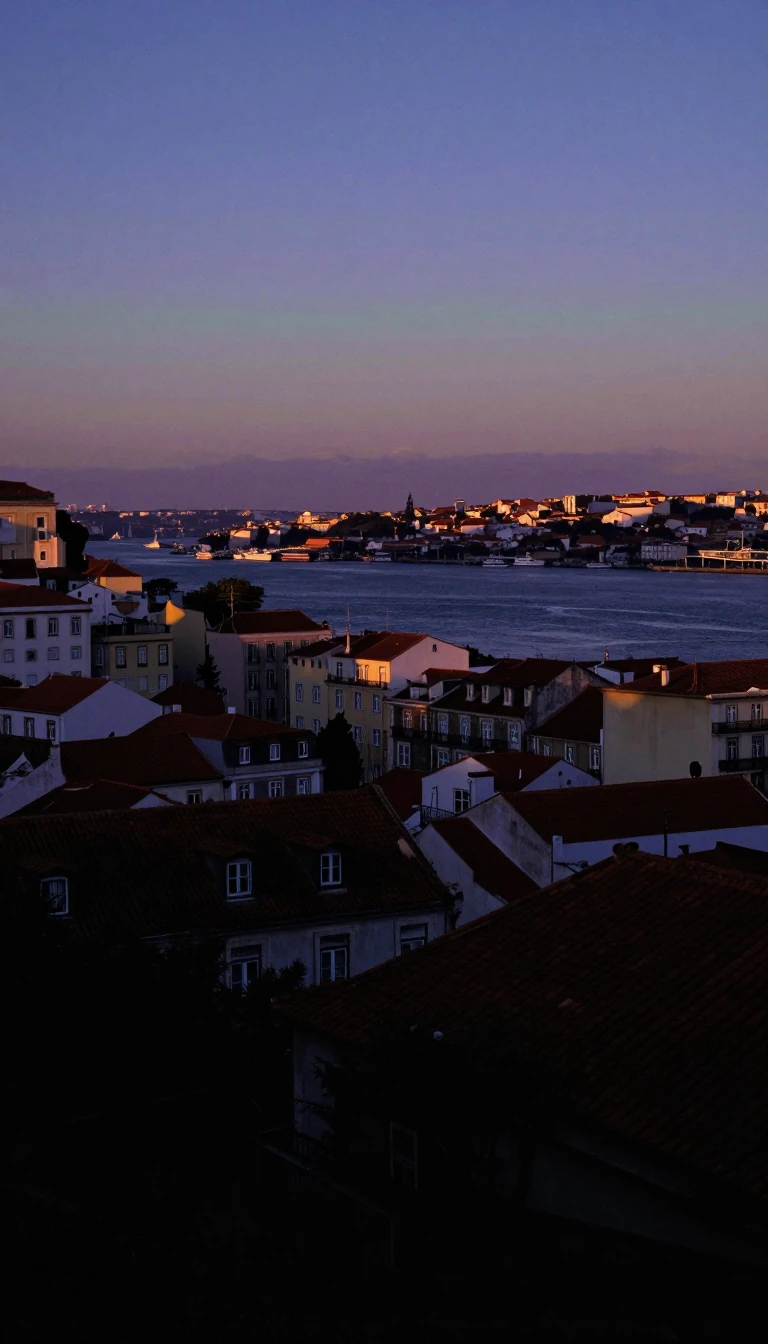 Portus Cale on the Douro grew into Europe’s Atlantic edge statePortugal holds southwestern Iberia plus Madeira and the Azores, bordered only by Spain on land. Latin Portus Cale, “port of Cale”, named both Porto and eventually the country that…
- Portus Cale still names the wine and the nationPorto—Oporto in English—is Portugal's second city after Lisbon, a Douro estuary hub whose historic core UNESCO listed in 1996. Port wine takes its name from the city and Vila Nova…
 Posidonius measured tides, the Sun and the Earth, and told pain it was no evilCalled the most learned man of his age, the Stoic Posidonius tried to calculate the size of the Earth, the distance of the Sun and how the Moon drives the tides. Every one of his …
 Positive emotions and personality traits can enhance second language learning and teachingA conceptual review paper introduced language education researchers to positive psychology, arguing that positive emotions, traits, and institutional practices can support better …
 Positive emotions are linked to better success in learning foreign languagesA meta-analysis of 96 effect sizes involving 28,166 participants found that foreign language enjoyment is significantly linked to better learning outcomes. The research observed t…
 Positive emotions can help stabilize motivation during language learningA longitudinal study of 360 university language learners found that while motivation and enjoyment of teachers tended to decline over a semester, high levels of foreign language e…
- Positive emotions in language learning may be more influenced by teachers than anxiety isA study of 189 British high school students found that foreign language enjoyment is closely tied to classroom environment and student attitudes. Researchers observed that while e…
 Positive emotions may broaden learners' openness to new language inputA theoretical paper on second-language learning argues that imagining a positive future self as a fluent speaker triggers positive emotions, which the authors say broaden a learne…
 Positive feedback is a powerful, self-reinforcing engine of growth, instability, and sudden change.In systems theory, positive feedback is not a compliment; it is a mechanism where an effect amplifies its own cause. Whether in electronics, biology, or economics, this process cr…
 Positronium is an exotic atom made of an electron and its own antimatter twin.Imagine an atom with no nucleus, where an electron and a positron orbit each other in a fragile, fleeting dance. This is positronium, an unstable system that exists for mere nanos…
 Post-hardcore: How a subculture traded rigid punk rules for creative, atmospheric sonic experimentation.Born in the 1980s as an evolution of hardcore punk, post-hardcore abandoned the genre's strict speed and aggression for complex, dynamic expression. From the DIY ethics of Washing…
 Post-Impressionism was a vague label Roger Fry needed in 1910The name is almost an apology. Roger Fry said he chose "Post-Impressionism" as the vaguest tag for French painting after Manet when he staged Manet and the Post-Impressionists in …
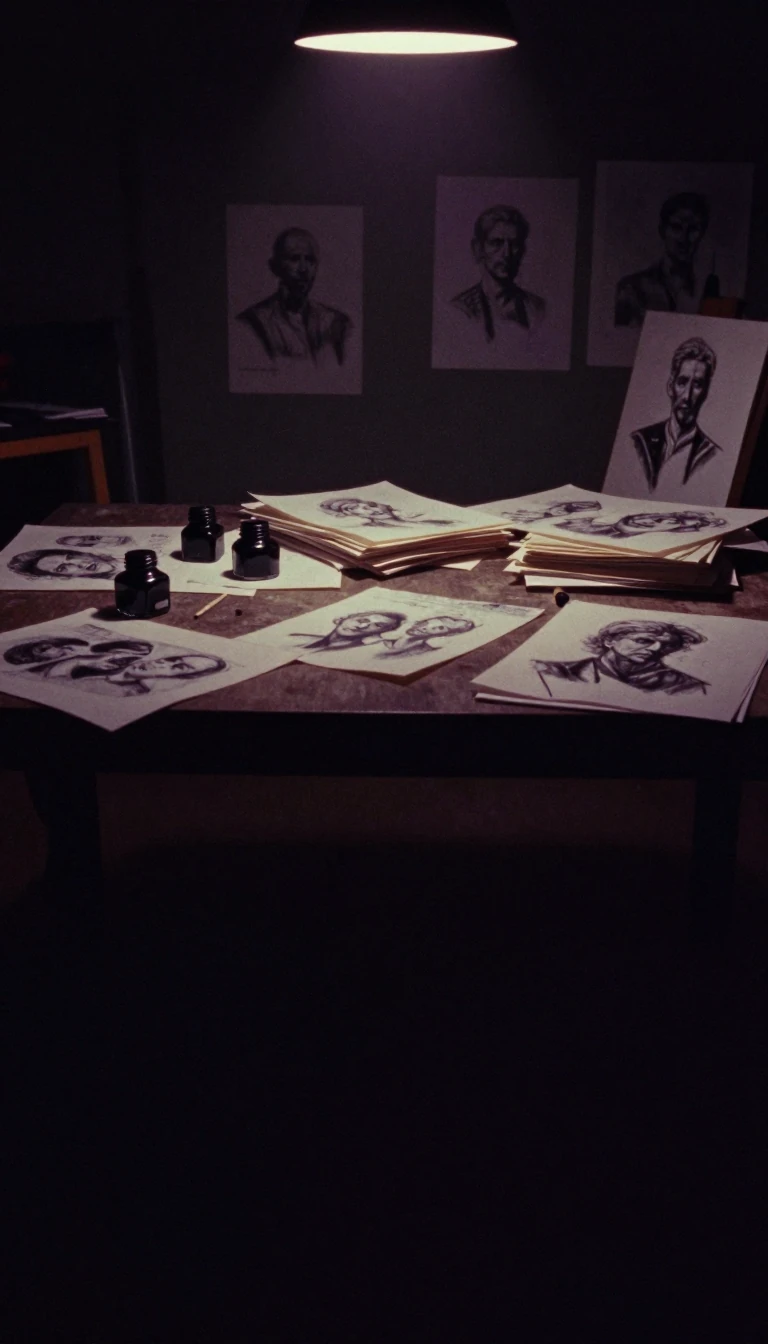 Post-punk was never just a genre; it was a radical space of musical possibility.Emerging from the ashes of 1977, post-punk rejected the raw simplicity of punk rock for something far more experimental. By blending avant-garde art, dub, and electronic textures,…
 Postcolonial scholars are often silent in the debate against decolonial theoryResearchers examining the relationship between postcolonial and decolonial theories found that while decolonial advocates frequently critique postcolonialism, postcolonial scholar…
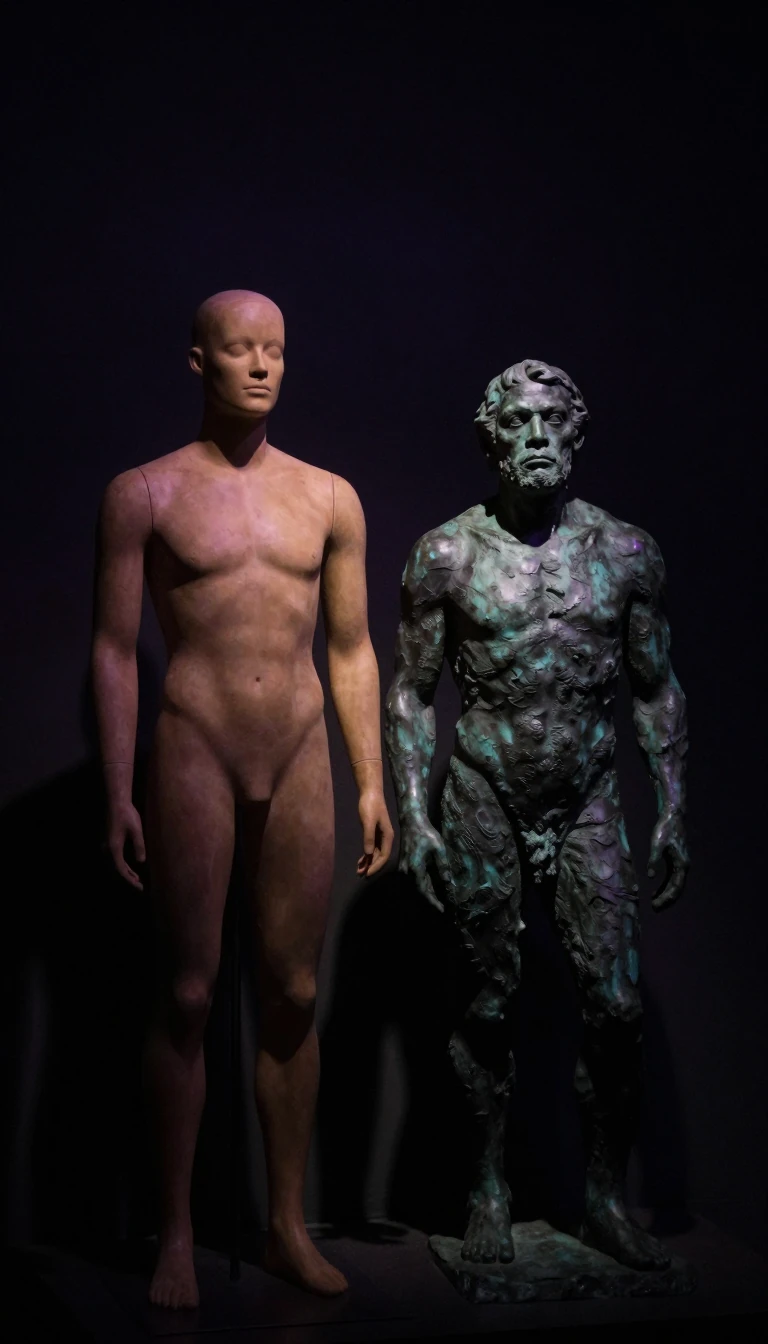 Postcranial bones may outperform the skull for estimating sex in forensic casesResearchers analyzing forensic anthropology data found that certain postcranial elements are more effective than the skull for estimating sex. By testing various bone measurements…
 Posthumanism asks us to stop viewing humans as the center of the universe.Posthumanism is not about abandoning humanity, but rather rethinking our place in a world shared with animals, ecosystems, and technology. By rejecting human exceptionalism, this …
 Postmodernism is a Swiss Army knife of contested meaningsLouis Menand called postmodernism definitionally overloaded—a tool for almost any critical job. Dick Hebdige mocked it as a buzzword spanning room décor to nuclear dread. Beneath …
 Postpartum depression can strike fathers and adoptive parents, not only birth mothersRoughly 10 to 20 percent of new mothers develop depression after birth, and in about half of cases seen at one clinic it began before delivery. It is not only mothers: estimates s…
 Postwar Lufthansa bought its own famous name for DM 30,000The airline that flies today as Lufthansa is not the one founded in 1926. That company was dissolved after the war. A new West German firm called Luftag bought the old name and lo…
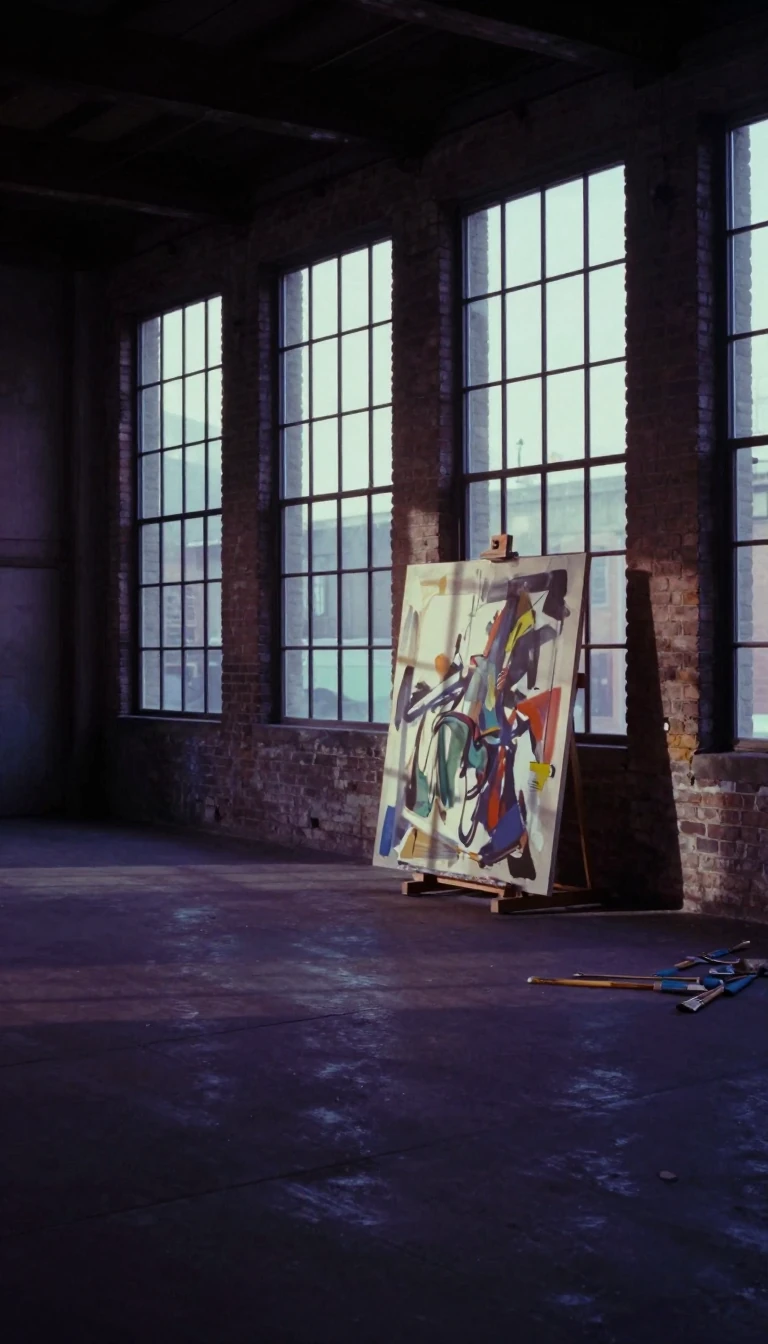 Postwar New York painting dethroned Paris as art’s capitalAbstract expressionism rose in the United States after World War II and went mainstream in the 1950s, breaking with 1930s social realism. Critic Robert Coates applied the label to…
 Potassium chlorate is a powerful oxidizer that fuels both safety matches and deadly explosives.This white, inorganic salt is a staple of industrial chemistry, prized for its ability to release oxygen. While it is essential for the ignition of safety matches and agricultural…
 Potassium chloride feeds crops, calibrates radiation detectors and once fought firesPotassium chloride looks and tastes a lot like table salt, and some people sprinkle it on food. But most of it ends up in fields as potash fertiliser, and a trace of natural radio…
 Potassium cyanide is a lethal industrial tool that effectively stops the body from breathing.This white, granular salt is essential for mining gold and electroplating, yet it is notoriously dangerous. It works by blocking cellular respiration, preventing tissues from usin…
 Potassium iodide is not a universal radiation shield, despite its reputation in emergencies.Potassium iodide is a specialized tool, not a cure-all. While it can protect the thyroid from absorbing radioactive iodine during specific nuclear accidents, it offers zero defens…
 Potassium oxide is a powerful industrial workhorse that rarely exists in its pure form.Though you might see its formula on fertilizer bags, pure potassium oxide is a highly reactive, corrosive crystalline solid. It is rarely encountered in nature because it reacts v…
 Potassium peroxide is a powerful oxidizer that can turn air into breathable oxygenThis yellow granular solid is far more than a simple bleach. Known for its ability to generate oxygen, it serves as a critical component in specialized breathing apparatuses. Howe…
 Potassium sulfide is a volatile, caustic compound that smells distinctly of rotten eggs.This inorganic salt is rarely found in its pure form because it is intensely hygroscopic and unstable in air. Beyond its notorious odor, it is a potent chemical that can cause sev…
 Potato blight plus landlordism emptied mid-century IrelandThe Great Famine—an Gorta Mór, the Great Hunger, or Irish Potato Famine—was mass starvation and disease in Ireland from eighteen forty-five to eighteen fifty-two. Western and sout…
 Potatoes and sweet potatoes are not related, but both thrive in large containersThough often grouped together as starchy tubers, potatoes and sweet potatoes belong to entirely different botanical families. Potatoes are nightshades, while sweet potatoes are re…
- Potbelly Hill was a settled Neolithic town, not only a shrineGöbekli Tepe—“Potbelly Hill” in Turkish, also Kurdish Wish Hill—in Upper Mesopotamia’s Turkey was occupied from about 9500 BCE to at least 8000 BCE at the dawn of permanent settle…