The ancient Mediterranean language that we can read but cannot understand
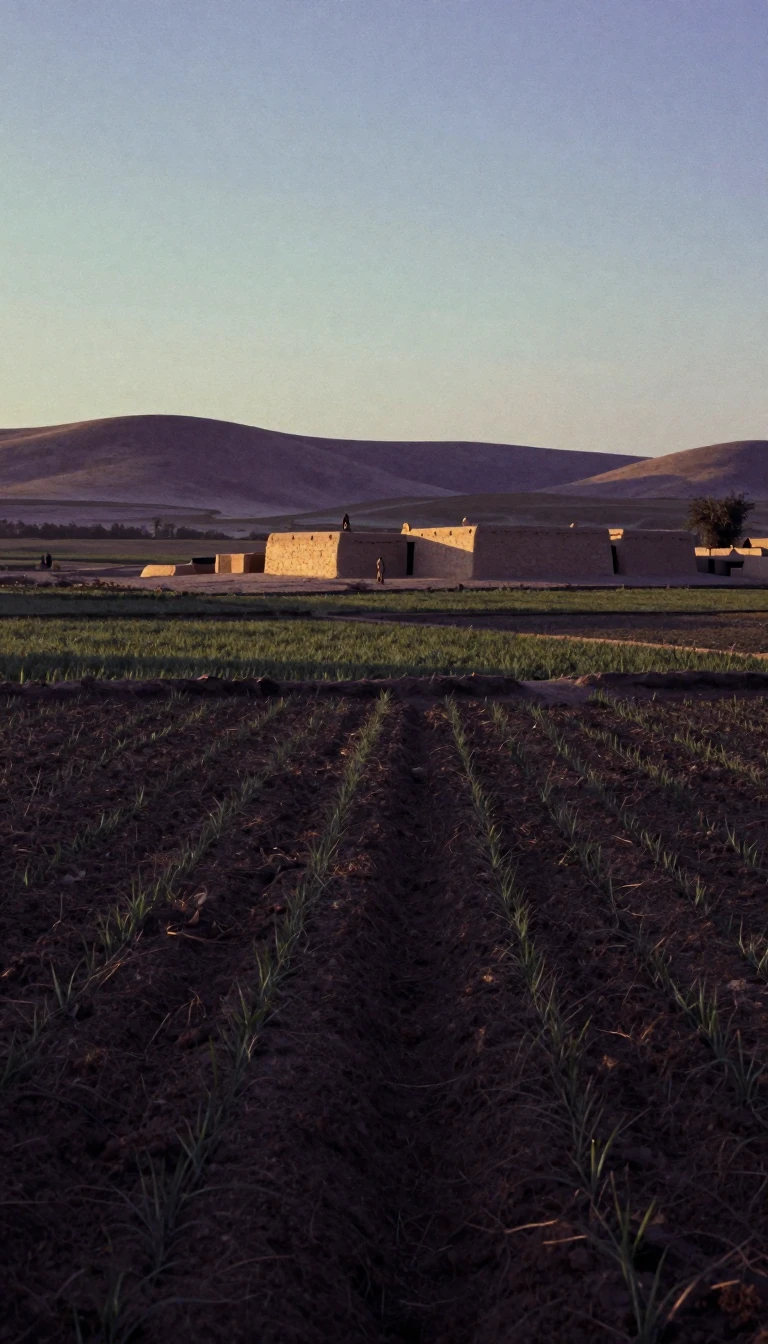
In short: We can pronounce the words of the Etruscans with surprising precision, yet their true meaning remains a mystery. While their alphabet is recognizable, this linguistic isolate defies translation, leaving historians to hunt for clues within mummy wrappings and bronze livers to uncover a lost civilization.
The Etrus and their language, which they called rasna, once dominated much of modern-day Tuscany, stretching from the Arno River to the Tyrrhenian Sea. While the Romans knew them as Etrusci, the Etruscans themselves occupied a vast territory that reached as far south as Naples and Pompeii. Despite their profound influence on Latin and the adoption of a Greek-derived alphabet, the language remains famously undeciphered. Because the alphabet is related to Greek and Semitic scripts, scholars can assign sound values to the symbols, but the semantic meaning of most texts remains out of reach.
The surviving corpus consists of approximately 10,000 to 13,000 inscriptions dating from the 7th century BC to the early Christian era. Most are brief, repetitive epitaphs or votive formulas found on metal mirrors and tombs. However, rare, longer texts provide vital context. One remarkable example is a 281-line text, containing roughly 1,300 words, discovered on a linen roll used as mummy wrapping in Egypt. Other significant finds include a 250-word clay tablet from Capua and a bronze model of a liver from Piacenza used for divination.
Linguists use the 'combinatory method' to study the language, comparing recurring elements across different physical contexts to identify grammatical categories like nouns and verbs. While once considered a complete isolate, recent consensus suggests it may belong to the Tyrrhenian language family, closely related to Raetic and Lemnian. We know the language featured four vowels—i, e, a, and u/o—and a tendency toward vowel harmony. Though the precise pronunciation of certain sibilants and consonants like 'k' and 'q' remains unknown, the Etruscan legacy survives in the very structure of Western European vocabulary.
Opens the Intellect+ feed with this card first. Swipe up for the next one.
Sources
- Summary by Intellect · source: Etruscan language | Alphabet & Vocabulary | Britannica
- Also: Etruscan language
To cite this card, link to https://intellectplus.co.uk/app/culture-etruscan-language.
How we source, check and correct cards: Editorial standards.
General information, not professional advice. Spotted an error? Flag the card or see corrections and complaints.
Intellect Plus is a visual educational discovery platform for exploring fascinating facts and ideas. Brain Food, Not Brain Rot. What is Intellect Plus?
Related
More in Languages · More in Cultures · Latest · A–Z · All topics
