Why a Roman marble sculpture of a sleeping figure captivated centuries of artists
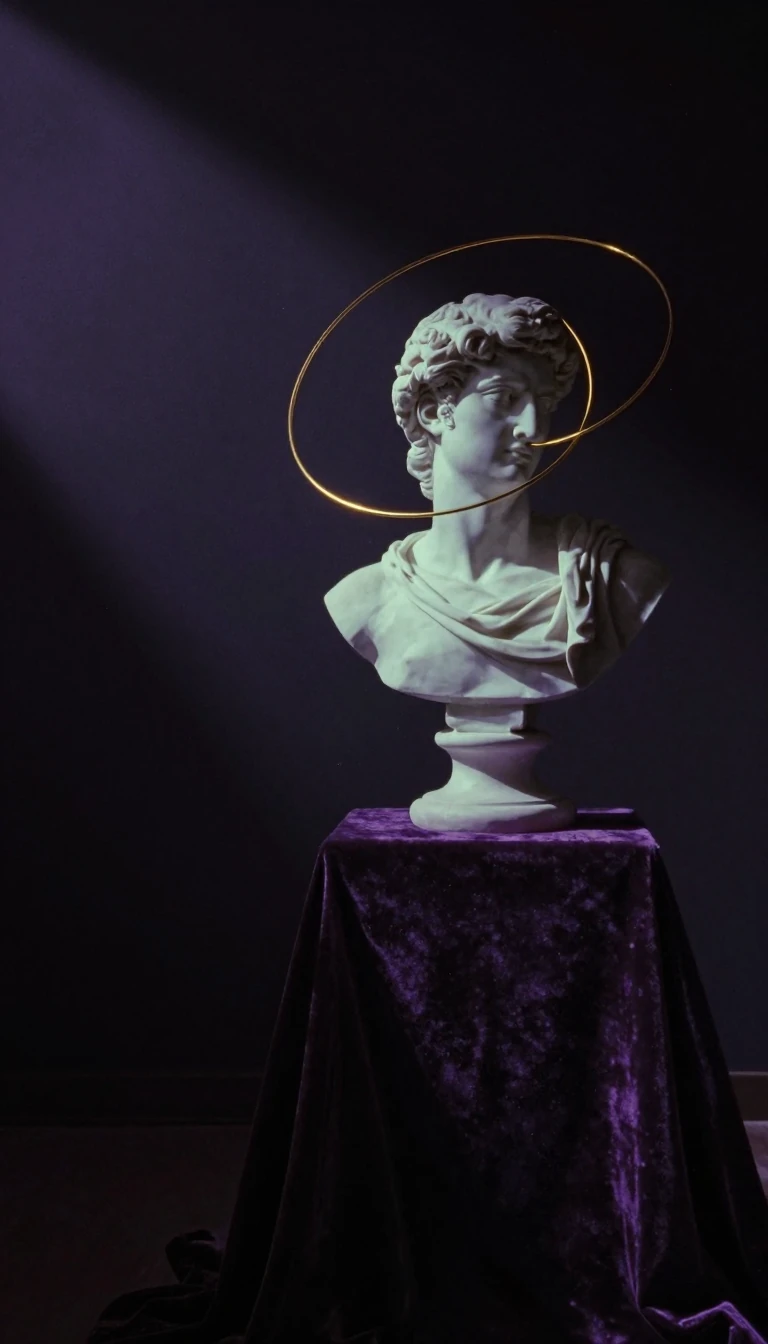
In short: The Sleeping Hermaphroditus is an ancient Roman masterpiece that has fascinated viewers since its 1618 discovery in Rome. From Bernini’s addition of a marble mattress to its influence on Velázquez and modern poets, this life-size figure remains a testament to the enduring power of classical form and artistic reinvention.
Unearthed in 1618 within the grounds of Santa Maria della Vittoria, the Sleeping Hermaphroditus was quickly acquired by Cardinal Scipione Borghese. The sculpture, likely a Roman copy of a bronze original by the Hellenistic sculptor Polycles, depicts a figure derived from ancient portrayals of Venus and Dionysus. To enhance the work, Scipione commissioned his protégé, Gian Lorenzo Bernini, to carve a realistic, buttoned marble mattress, which was completed in 1620. This addition transformed the sculpture into a centerpiece of the Borghese Collection, where it was reportedly housed in its own dedicated room.
The sculpture’s journey to the Louvre began in 1807, when Prince Camillo Borghese, facing severe financial pressure from French taxation, sold the piece to France. It arrived at the museum in 1809, where it has remained a fixture of the collection. Its influence, however, extended far beyond its physical location. Throughout the 17th century, artists and collectors sought out copies in various media, including ivory versions by François Duquesnoy and bronze casts by Giovanni Francesco Susini. Diego Velázquez even commissioned a full-size bronze copy by Matteo Bonuccelli in 1652, which later informed the composition of his famous Rokeby Venus.
The work’s cultural resonance persisted well into the modern era. In 1863, Algernon Charles Swinburne visited the Louvre and was so moved by the statue that he penned the poem 'Hermaphroditus,' published in his 1866 collection, Poems and Ballads. The fascination continues today; in 2010, artist Barry X Ball created a contemporary interpretation in Belgian black marble. This modern iteration, sold at Christie’s in 2016, highlights how the ancient form continues to challenge and inspire artists across centuries, proving that the allure of the Sleeping Hermaphroditus is as much about its history as its aesthetic.
While the original remains in Paris, the legacy of the form is scattered across the globe. Additional ancient variants have been discovered over the centuries, including a second-century copy found in 1781 and a third Roman marble variant unearthed in 1880. These pieces, now housed in institutions ranging from the Uffizi to the Hermitage, ensure that the enigmatic, slumbering figure remains a constant presence in the canon of Western art.
Opens the Intellect+ feed with this card first. Swipe up for the next one.
Sources
- Summary by Intellect · source: Sleeping Hermaphroditus
- Also: Art Institute of Chicago — Sleeping Infant Faun Visited by an Inquisitive Rabbit · CC0 (data); description CC BY 4.0
To cite this card, link to https://intellectplus.co.uk/app/art-sleeping-hermaphroditus.
How we source, check and correct cards: Editorial standards.
General information, not professional advice. Spotted an error? Flag the card or see corrections and complaints.
Intellect Plus is a visual educational discovery platform for exploring fascinating facts and ideas. Brain Food, Not Brain Rot. What is Intellect Plus?
Related
More in Visual arts · More in Art · Latest · A–Z · All topics
