The 2021 German federal election marked a historic shift in the nation's political landscape.
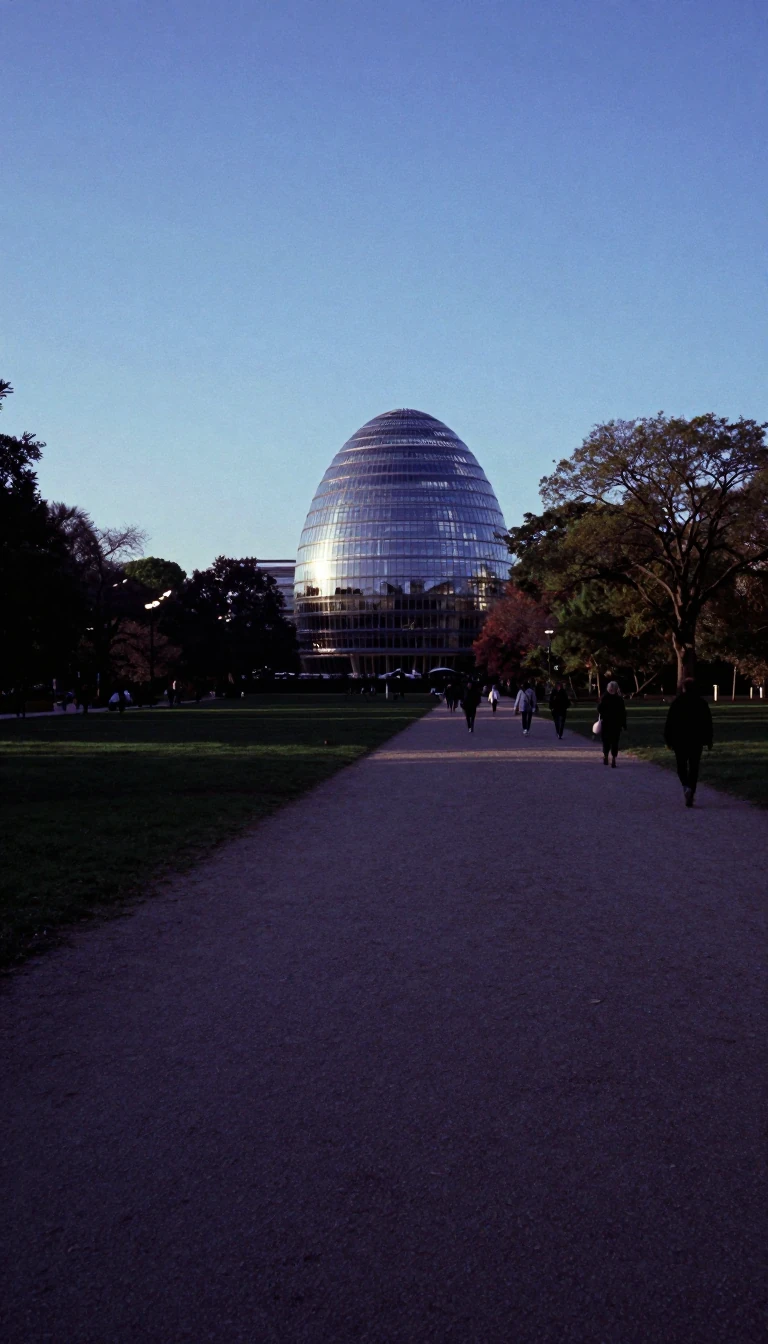
In short: For the first time in the history of the Federal Republic of Germany, an incumbent chancellor chose not to seek re-election. This departure by Angela Merkel triggered a complex realignment, ending the traditional two-party dominance and ushering in a new era of coalition politics defined by the so-called traffic light alliance.
The 2021 election was a watershed moment, ending the sixteen-year tenure of Angela Merkel. Her decision not to run created a power vacuum that reshaped the electoral map. The Social Democratic Party (SPD) emerged as the largest party with 25.7% of the vote, their strongest performance since 2005. Conversely, the ruling CDU/CSU alliance suffered its worst-ever result, dropping to 24.1% from 32.9% in 2017. This decline reflected broader instability, including the 2018 government crisis and internal party leadership struggles that plagued the final years of the Merkel administration.
The campaign was marked by unprecedented shifts in public discourse and candidate performance. Climate change became a central issue following the devastating July 2021 floods, which saw at least 184 deaths. CDU/CSU candidate Armin Laschet faced intense backlash after being filmed laughing during a visit to the disaster zone, a moment that significantly damaged his standing. Meanwhile, the Greens, who had surged in popularity since 2018, achieved their best-ever historical result at 14.7%. The traditional two-way television debates between the major parties were replaced by a three-way 'Triell', signaling the end of the long-standing two-party system.
Following the election, the SPD, FDP, and the Greens formed a 'traffic light' coalition after complex negotiations. This outcome was not guaranteed, as the political landscape had become increasingly fragmented. The Left, for instance, failed to meet the 5% electoral threshold but secured seats through direct mandates. The process highlighted the difficulty of governing in a multi-party environment where policy disagreements—ranging from NATO to wealth taxes—required delicate compromise. Ultimately, Olaf Scholz was elected chancellor on 8 December 2021, marking the start of a new government after a period of intense political volatility.
Opens the Intellect+ feed with this card first. Swipe up for the next one.
Sources
- Summary by Intellect · source: 2021 German federal election
- Also: The Met — Elements of an Italian Light-Cavalry Armor <i>alla Tedesca</i> (in the German Fashion) · CC0
To cite this card, link to https://intellectplus.co.uk/app/culture-2021-german-federal-election.
How we source, check and correct cards: Editorial standards.
General information, not professional advice. Spotted an error? Flag the card or see corrections and complaints.
Intellect Plus is a visual educational discovery platform for exploring fascinating facts and ideas. Brain Food, Not Brain Rot. What is Intellect Plus?
Related
More in Traditions & customs · More in Cultures · Latest · A–Z · All topics
