Germany's 2025 snap election reshaped the Bundestag after a historic governing coalition collapse
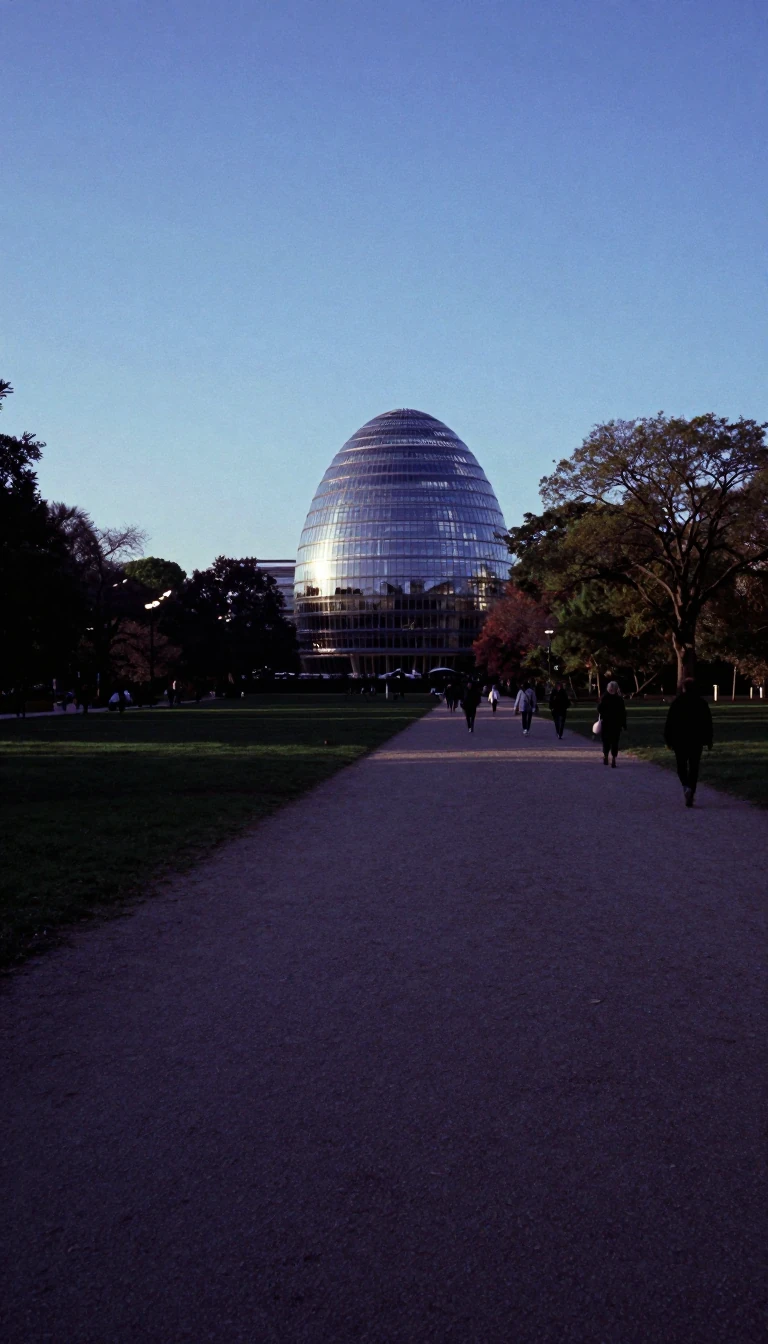
In short: Triggered by the 2024 disintegration of the traffic light coalition, Germany held its fourth post-war snap election on 23 February 2025. The vote saw the conservative CDU/CSU alliance return to lead the government, while the Free Democratic Party suffered a historic defeat, losing all representation in the new 21st Bundestag.
The 2025 election was necessitated by the collapse of Chancellor Olaf Scholz's governing coalition in November 2024, following his dismissal of FDP leader Christian Lindner. After Scholz failed a motion of confidence on 16 December 2024—securing only 207 of the required 367 votes—President Frank-Walter Steinmeier dissolved the Bundestag. The election was held on 23 February 2025, seven months ahead of the original schedule, with a record voter turnout of 82.5%.
The electoral landscape shifted significantly. The CDU/CSU alliance emerged as the largest group with 28.5% of the vote, eventually securing a coalition agreement with the SPD on 9 April 2025. Friedrich Merz was elected chancellor on 6 May 2025, though the process required an unprecedented second round of voting. Meanwhile, the AfD achieved its best-ever result at 20.8%, and the SPD recorded its worst performance since 1887, dropping to 16.4%. The FDP failed to clear the 5% threshold, resulting in its total exclusion from the Bundestag.
Structural reforms defined this cycle. A 2023 law aimed to cap the Bundestag at 630 members, replacing the previous system that had allowed the parliament to balloon to 736 seats in 2021. Although the Federal Constitutional Court upheld most of these changes in July 2024, it mandated the retention of the 'basic mandate clause' as an interim measure. This allowed parties like The Left to remain in parliament by winning three constituencies, despite failing to reach the 5% national threshold. Ultimately, 13.9% of voters saw their second votes go unrepresented, the second-highest rate in German federal history.
Opens the Intellect+ feed with this card first. Swipe up for the next one.
Sources
- Summary by Intellect · source: 2025 German federal election
- Also: Wikidata — 2025 German federal election · CC0
To cite this card, link to https://intellectplus.co.uk/app/places-2025-german-federal-election.
How we source, check and correct cards: Editorial standards.
General information, not professional advice. Spotted an error? Flag the card or see corrections and complaints.
Intellect Plus is a visual educational discovery platform for exploring fascinating facts and ideas. Brain Food, Not Brain Rot. What is Intellect Plus?
Related
More in Cities · More in Countries & Cities · Latest · A–Z · All topics
