How a 10th-century monk standardized a day for the dead
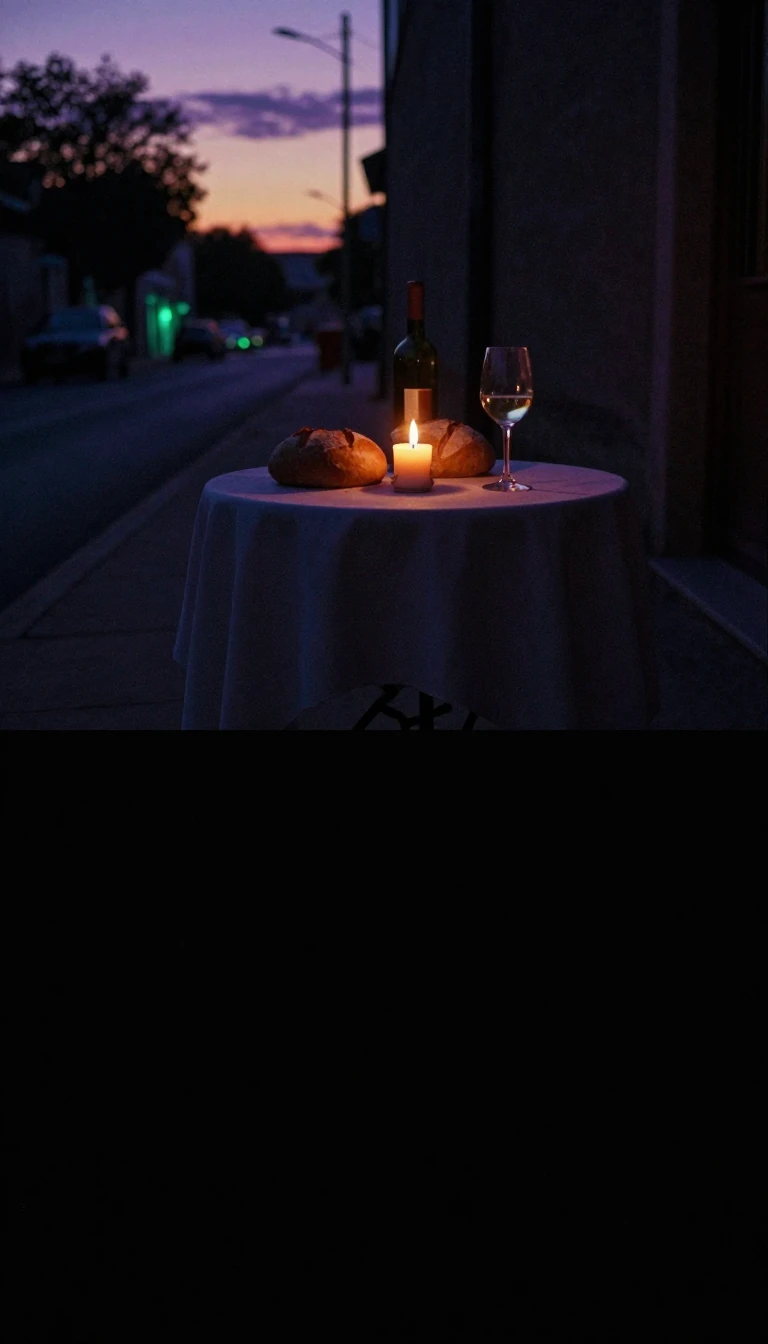
In short: While many traditions honor the departed, the specific date of November 2nd wasn't always the rule. Before the 10th century, Christian communities celebrated the deceased on various dates, often during the Easter season. Discover how a single monastic reform changed the liturgical calendar of the Western world forever.
Historically, the commemoration of the dead was highly fragmented. In the sixth century, Benedictine monasteries held remembrances during Whitsuntide, and by the time of St. Isidore of Seville in the early 7th century, the Monday after Pentecost was designated for the deceased. In parts of Germany, Abbot Eigil of Fulda even set December 17 as a day of commemoration during the ninth century.
The shift toward our modern calendar began with St. Odilo of Cluny in the 11th century. He instituted an annual commemoration for all monasteries dependent on the Abbey of Cluny, specifically choosing the day after All Saints' Day. Odilo’s reform also linked spiritual practice with social duty, decreeing that those requesting Masses for the departed should also make offerings to the poor.
This Cluniac tradition eventually spread through the Benedictine order to the wider Western Church. The Diocese of Liège, under Bishop Notger, was among the first to adopt the practice, and by the thirteenth century, the November 2nd date had been established in Rome and Italy. Today, while many denominations like Anglicanism and Lutheranism view the day as an extension of All Saints' Day, the core practice of honoring the 'faithful departed' remains a powerful ecumenical force.
The theological nuances vary by tradition. In the Roman Catholic Church, the day focuses on the purification of souls in purgatory, a belief rooted in texts like 2 Maccabees. In contrast, the Eastern Orthodox and Byzantine Catholic Churches observe 'Saturday of Souls,' a day chosen because Christ lay in the tomb on a Saturday, emphasizing a different liturgical connection to the passion.
Opens the Intellect+ feed with this card first. Swipe up for the next one.
Sources
- Summary by Intellect · source: All Souls' Day
To cite this card, link to https://intellectplus.co.uk/app/culture-all-souls-day.
How we source, check and correct cards: Editorial standards.
General information, not professional advice. Spotted an error? Flag the card or see corrections and complaints.
Intellect Plus is a visual educational discovery platform for exploring fascinating facts and ideas. Brain Food, Not Brain Rot. What is Intellect Plus?
Related
More in Festivals & celebrations · More in Cultures · Latest · A–Z · All topics
