Was the biblical burning bush a botanical miracle or a natural phenomenon?
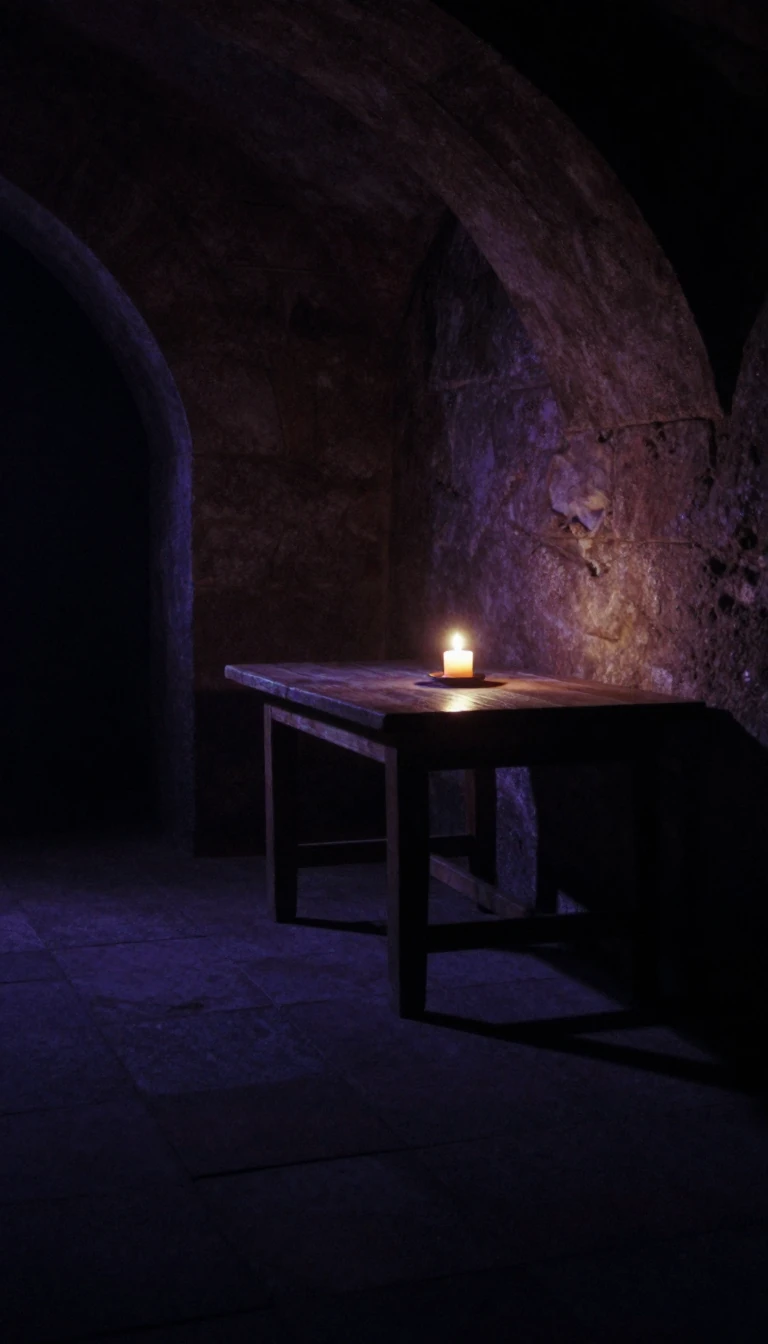
In short: An ancient flame that refuses to consume its fuel: the burning bush is one of history's most enduring symbols. While some seek a biological explanation in volatile plants, others see a profound theological message of survival and divine presence hidden within a simple bramble.
The account of the burning bush, recorded in the Torah, the Bible, and the Qur’an, describes a bush that burned with fire but was not consumed. Set potentially in the mid-15th or 13th century BCE, the event occurred on Mount Horeb, where Moses was tending the flocks of Jethro. The narrative describes a divine encounter where God—revealing Himself as the God of Abraham, Isaac, and Jacob—instructed Moses to remove his sandals because he was on sacred ground.
Scholars and naturalists have long attempted to find a rational basis for this phenomenon. Some researchers, such as Alexander and Zhenia Fleisher, have pointed to the plant *Dictamnus*, which can excrete enough volatiles to be enveloped in flame without injury. However, they note that *Dictamnus* species are not found in the Sinai Peninsula. Other theories suggest the sight may have been sunlight reflecting off Har Kordom, or a long-lasting fire rather than a brief flare.
Beyond the physical, the bush carries immense symbolic weight. In Jewish commentary, the use of a lowly thorn bush (*seneh*) represents the suffering and survival of the Israelites. In the medieval Catholic tradition, the unconsumed flame was seen as a parallel to the Virgin Birth. For the Reformed churches, particularly the Huguenots since 1583, the motto 'I am burned but not consumed' became a symbol of a church enduring persecution. Even the Eastern Orthodox tradition views the flame as the manifestation of God's 'Uncreated Energies,' a vision of the eternal.
Today, the site of the event remains a subject of debate. While popular tradition and Bedouin guides point to Jebel Musa, some scholars suggest locations in the Hijaz or northern Arabah. Regardless of its geography, the symbol persists in the heraldry of numerous Presbyterian churches worldwide, representing a faith that flourishes even under the heat of trial.
Opens the Intellect+ feed with this card first. Swipe up for the next one.
Sources
- Summary by Intellect · source: Burning bush
To cite this card, link to https://intellectplus.co.uk/app/culture-burning-bush.
How we source, check and correct cards: Editorial standards.
General information, not professional advice. Spotted an error? Flag the card or see corrections and complaints.
Intellect Plus is a visual educational discovery platform for exploring fascinating facts and ideas. Brain Food, Not Brain Rot. What is Intellect Plus?
Related
More in Festivals & celebrations · More in Cultures · Latest · A–Z · All topics
