The steel-hooped crinoline was a mass-produced industrial marvel that claimed thousands of lives.
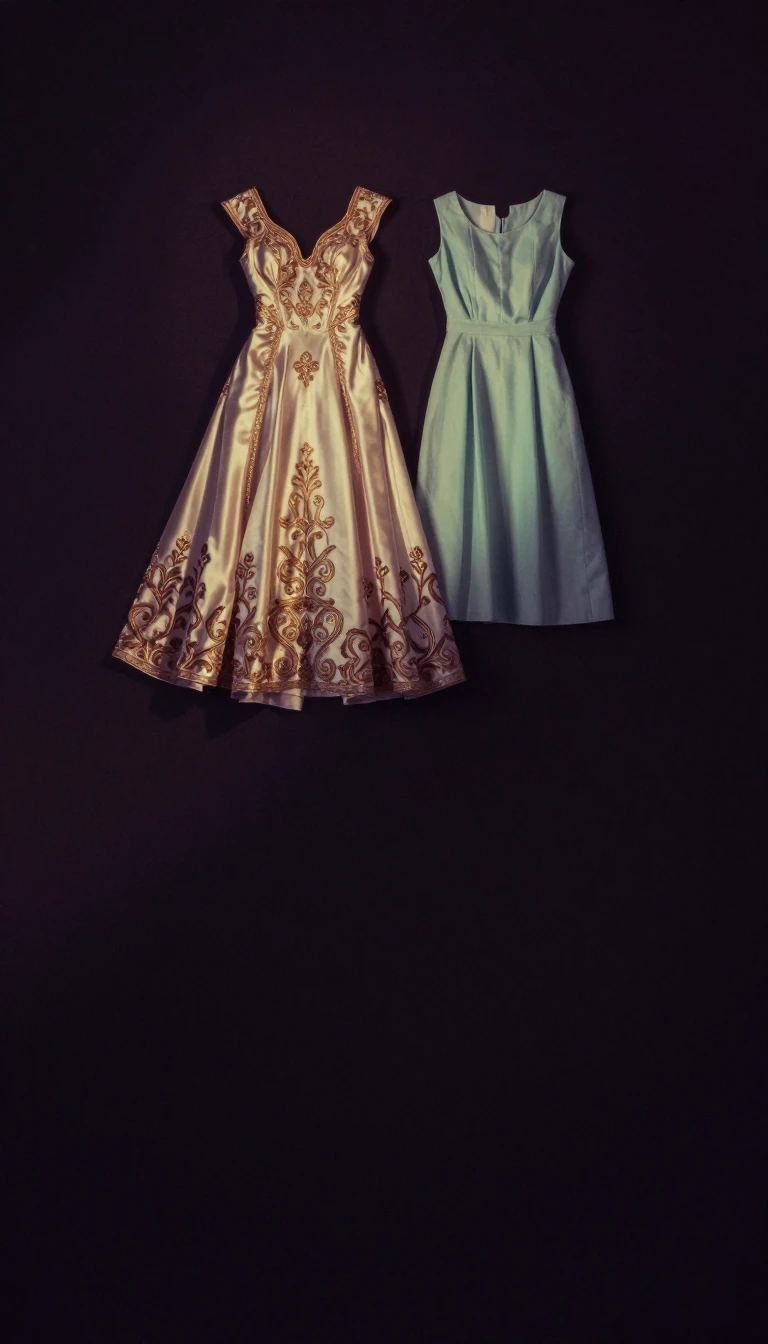
In short: In the mid-19th century, the cage crinoline transformed fashion, enabling skirts to reach massive proportions. While it liberated women from the weight of multiple petticoats, the garment’s sheer scale and flammability turned it into a lethal hazard, sparking intense social debate and a bizarre industrial boom across the Western world.
Patented in 1856, the steel-hooped cage crinoline replaced heavy horsehair petticoats with a lightweight, flexible structure. Its popularity triggered an industrial frenzy; by 1859, a single New York factory consumed 300,000 yards of steel wire weekly to produce thousands of units daily. Manufacturers in Saxony reportedly produced 9.5 million crinolines over twelve years, cementing the garment as a ubiquitous, class-defying fashion staple.
The crinoline’s design posed significant physical risks. Its vast circumference—reaching up to 5.5 meters—made navigation through doors and carriages difficult, while the structure was prone to catching on machinery or furniture. Most tragically, the garment’s flammability led to numerous fatalities. Florence Nightingale estimated that over 600 women died from fire-related accidents in 1863–1864 alone, including a kitchenmaid who perished after her skirts ignited near a fireplace.
Despite these dangers, the crinoline became a potent cultural symbol. Satirists in publications like Punch mocked the fashion, fearing that women taking up so much space signaled a shift in social power. Simultaneously, the garment was a lightning rod for class anxiety; etiquette manuals criticized working-class women for wearing hoops, while some servants viewed such restrictions as an infringement on their personal liberty.
The silhouette evolved into the crinolette and bustle by the 1870s, yet the crinoline’s influence persisted. It was revived by Christian Dior’s 1947 'New Look' and later reinterpreted by designers like Vivienne Westwood and Alexander McQueen. Today, the crinoline remains a fixture in formal wear, though its historical association with the American 'Southern Belle' has occasionally sparked modern controversy regarding its perceived racial and social connotations.
Opens the Intellect+ feed with this card first. Swipe up for the next one.
Sources
- Summary by Intellect · source: Crinoline
To cite this card, link to https://intellectplus.co.uk/app/culture-crinoline.
How we source, check and correct cards: Editorial standards.
General information, not professional advice. Spotted an error? Flag the card or see corrections and complaints.
Intellect Plus is a visual educational discovery platform for exploring fascinating facts and ideas. Brain Food, Not Brain Rot. What is Intellect Plus?
Related
More in Clothing and fashion · More in Cultures · Latest · A–Z · All topics
