The architectural engineering behind the 19th-century silhouette
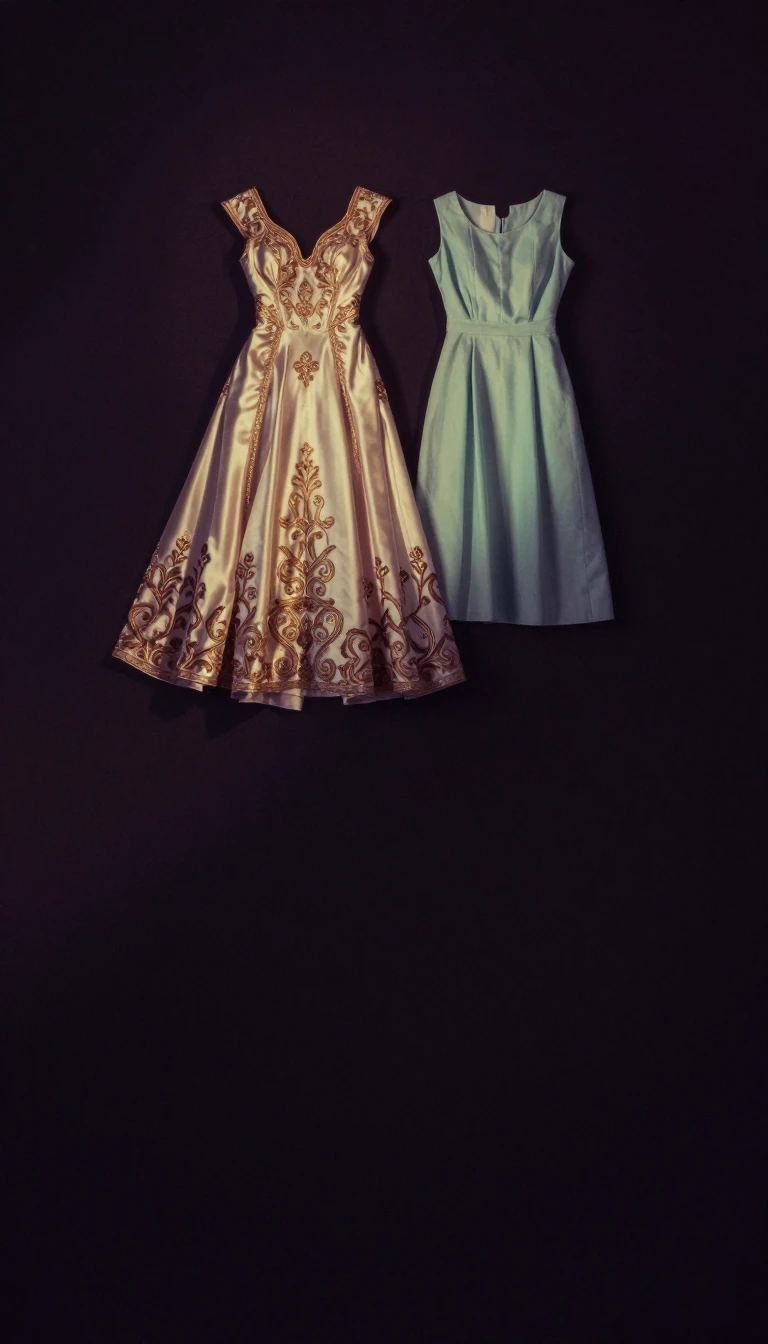
In short: Before the bicycle changed everything, women’s fashion relied on structural undergarments to defy gravity. The bustle was more than a trend; it was a complex solution to the weight of heavy fabrics, transforming the human silhouette through padding, wire, and clever drapery.
In the mid-to-und-late 19th century, the bustle emerged as a functional necessity. Heavy fabrics used in gowns tended to pull the back of a skirt downward, causing the shape to flatten and lose its form during daily movement. To counteract this, women used padded undergarments or wire frames positioned just below the waist to support the drapery and prevent the skirt from dragging.
The evolution of this silhouette was a gradual transition from the voluminous, bell-shaped crinoline of the 1850s and 1860s. As the crinoline's shape began to flatten at the front and sides, a style known as the 'train' emerged, where excess fabric was looped to the rear. This period saw the rise of the 'crinolette,' a more restrictive version of the crinoline that concentrated bulk around the posterior, making sitting a significant challenge for the wearer.
By the late 1860s, the bustle became a distinct fashion feature, eventually replacing the crinoline entirely. The silhouette shifted from a low, fanned-out fullness to a much more pronounced, humped shape. This trend reached an extreme in the mid-to-late 1880s, with some designs reaching proportions so exaggerated they were considered preposterous. By 1889, the era of the large bustle was ending, and by 1905, the garment had vanished, replaced by the long corsets of the early 20th century and the practical demands of the newly invented bicycle.
Opens the Intellect+ feed with this card first. Swipe up for the next one.
Sources
- Summary by Intellect · source: Bustle
To cite this card, link to https://intellectplus.co.uk/app/culture-bustle.
How we source, check and correct cards: Editorial standards.
General information, not professional advice. Spotted an error? Flag the card or see corrections and complaints.
Intellect Plus is a visual educational discovery platform for exploring fascinating facts and ideas. Brain Food, Not Brain Rot. What is Intellect Plus?
Related
More in Fashion through the ages · More in Cultures · Latest · A–Z · All topics
