Even Zeus could not outrun the inevitable thread of destiny
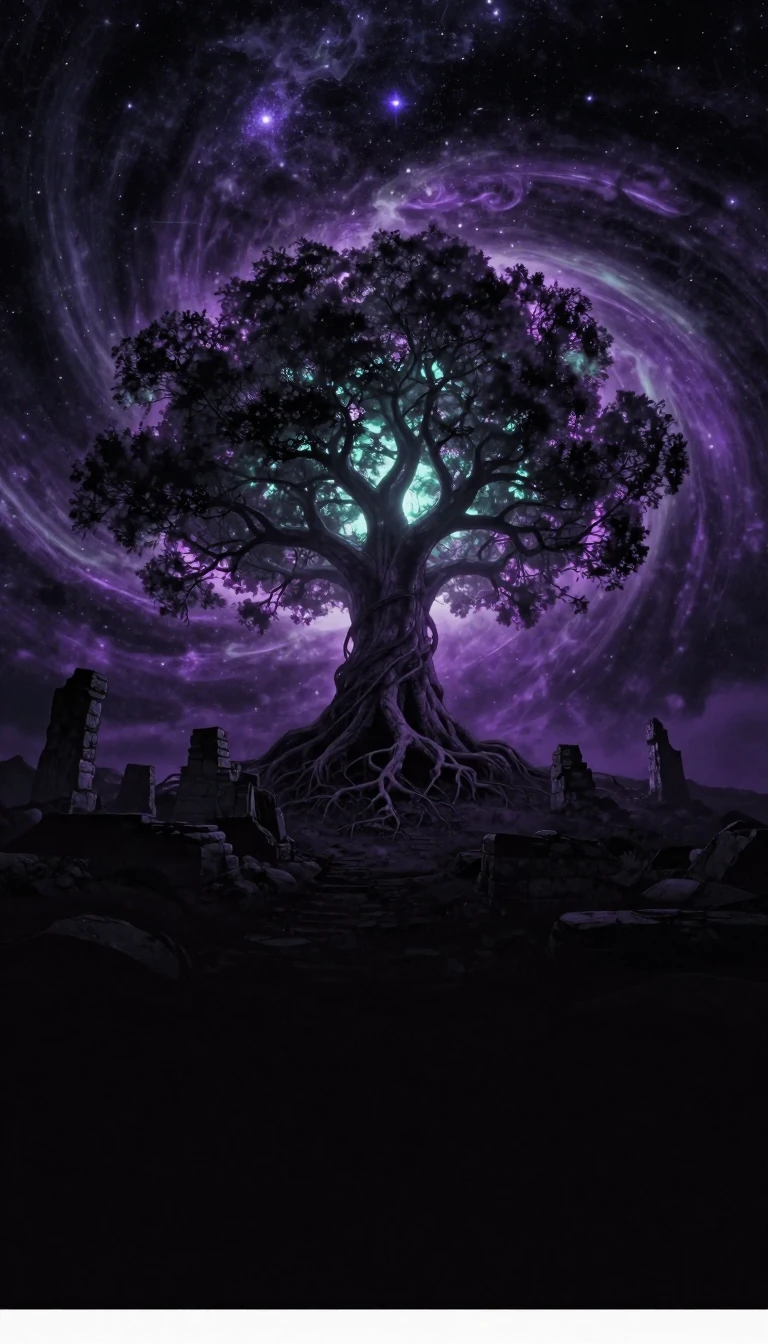
In short: In Greek mythology, the Fates were so powerful that even the king of the gods had to submit to their authority. They didn't just oversee death; they dictated the specific allotment of misery, the span of life, and the very fabric of human destiny.
The Fates, known as the Moirai, were personified as three sisters who managed the lifecycle of humanity through textile metaphors. Clotho, the Spinner, began the process by weaving the thread of life while the individual was still in the womb. Lachesis, the Allotter, then measured the length of that thread, determining the specific amount of life and the number of tribulations a person was predestined to face. Finally, Atropos, the Inflexible, acted as the 'un-turnable' end, cutting the thread to determine the exact moment of death.
Their genealogy is varied across different traditions. Some legends identify them as the daughters of Nyx (Night), while others claim they were the offspring of Zeus and Themis (Law and Justice), or even the children of Ananke (Necessity). Despite these different origins, their role remained constant: they were the arbiters of destiny. In art, they were often depicted as regal maidens or wizened old women, always carrying symbols of their craft, such as spindles, measuring instruments, and cutting devices.
The myth of Sarpedon illustrates the absolute nature of their power. Even though Zeus had foreknowledge of his son's death at the hands of the Greek warrior Patroclus, he was unable to intervene to save him. Similarly, the story of Meleager shows the futility of trying to cheat destiny; despite his mother hiding a burning log to preserve his life, the Fates ensured the log would eventually burn to ashes, fulfilling the decree of his death. Only through extreme sacrifice, such as Alcestis willingly dying to save her husband Admetus, could the Fates' decrees be navigated, though even then, the ultimate end remained fixed.
The Romans adopted these figures as the Parcae, originally personifications of childbirth. In the Greek tradition, the term 'moira' translates to 'allotted portion' or 'share,' highlighting the belief that every human life is a pre-measured segment of existence, with a specific destination in the Underworld—be it the blessed Elysium, the punitive Tartarus, or the neutral Fields of Asphodel—awaiting them once Atropos completes her work.
Opens the Intellect+ feed with this card first. Swipe up for the next one.
Sources
- Summary by Intellect · source: Fate | Greek Mythology, Names, Destiny, & Moirai | Britannica
- Also: Fates
To cite this card, link to https://intellectplus.co.uk/app/culture-fates.
How we source, check and correct cards: Editorial standards.
General information, not professional advice. Spotted an error? Flag the card or see corrections and complaints.
Intellect Plus is a visual educational discovery platform for exploring fascinating facts and ideas. Brain Food, Not Brain Rot. What is Intellect Plus?
Related
More in UK & Irish culture · More in Cultures · Latest · A–Z · All topics
