Before Westernization, Japan’s samurai and monks practiced widespread, socially accepted same-sex relationships.
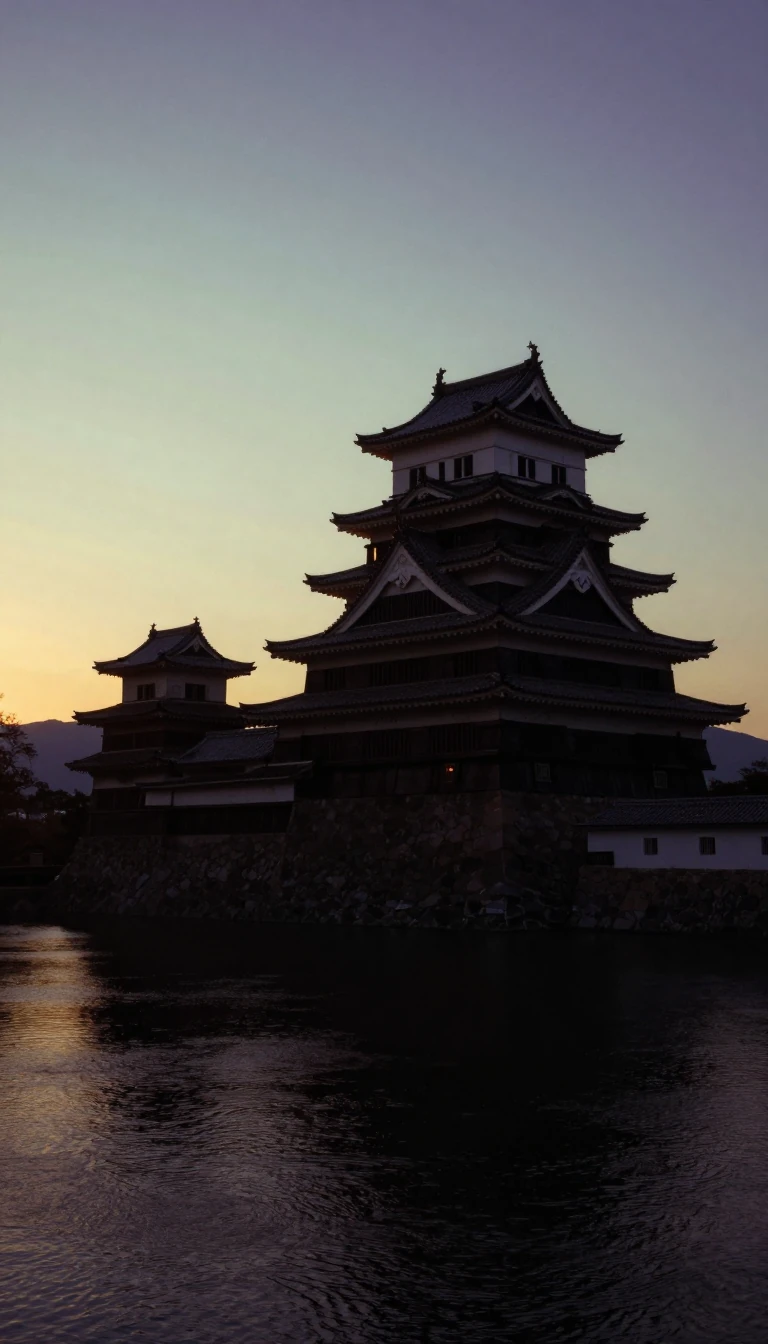
In short: Modern Japan is often perceived as a homogenous, conservative society, but this narrative obscures a long history of fluid gender and sexual expression. From samurai mentorships to Buddhist monastery traditions, same-sex relationships were once a visible, normalized part of Japanese life before the Meiji era’s push for Western-style modernization.
For centuries, same-sex relationships were woven into the fabric of Japanese society. In the 11th-century Tale of Genji, the protagonist engages in a relationship with a woman’s brother, reflecting a broader cultural acceptance of such bonds. Among the samurai class, the practice of shudō—or wakashudō—involved an older mentor, the nenja, taking a younger apprentice known as a wakashū or chigo. These relationships were often formalized through contracts of fidelity and served as a method for tutoring youths into manhood. Similarly, Buddhist monasteries maintained pederastic traditions where monks and acolytes engaged in structured, honorable affairs.
The societal shift began during the Meiji period, starting in 1868. As the government sought to modernize and emulate Western powers, it adopted rigid, natalist gender roles. The state promoted the ideal of the 'good wife, wise mother' to ensure national productivity and population growth. Consequently, same-sex practices, previously associated with the now-defunct samurai elite, were rebranded as 'feudal' and 'abnormal.' In 1872, Japan briefly outlawed sodomy, explicitly mimicking French and Western legal codes in a quest for 'civilization and enlightenment.'
This modernization also fundamentally altered gender presentation. The introduction of Western suits and dresses replaced the kimono, which, despite its gendered nuances, allowed for greater flexibility in appearance. The new, strictly binary Western clothing made gender transgression more difficult. While the 1872 ban on sodomy was only in effect until 1880, the ideological shift proved lasting. Today, the tension between this conservative national image and the reality of Japan’s queer history remains visible, occasionally surfacing in public displays—such as the rainbow-themed attire worn by popstar Misia at the 2021 Tokyo Olympics.
Opens the Intellect+ feed with this card first. Swipe up for the next one.
Sources
- Summary by Intellect · source: New Histories - Long Read: A History of the Japanese LGBTQ+ Community
- Also: Homosexuality in Japan
To cite this card, link to https://intellectplus.co.uk/app/culture-homosexuality-in-japan.
How we source, check and correct cards: Editorial standards.
General information, not professional advice. Spotted an error? Flag the card or see corrections and complaints.
Intellect Plus is a visual educational discovery platform for exploring fascinating facts and ideas. Brain Food, Not Brain Rot. What is Intellect Plus?
Related
More in Education · More in Cultures · Latest · A–Z · All topics
