The Lost Brittonic Kingdom That Shaped the Borders of Medieval Scotland and England
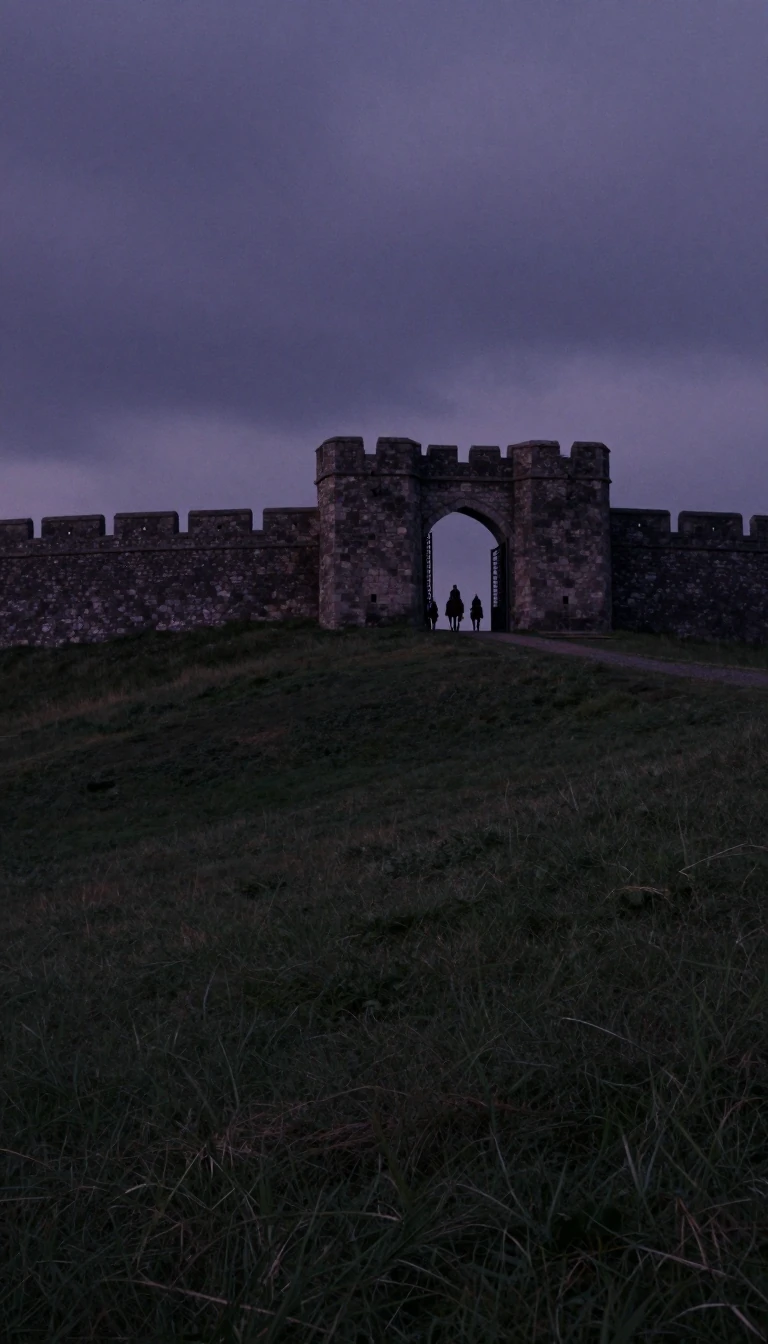
In short: Before Scotland was a unified nation, the Kingdom of Strathclyde stood as a resilient Brittonic power in the north. From its stronghold at Dumbarton Rock to its eventual absorption into the Scottish crown, this kingdom navigated centuries of Viking raids, Anglo-Saxon expansion, and shifting alliances to define the British landscape.
Emerging from the post-Roman era, the kingdom originally centered on the fortress of Dumbarton Rock, known as Alt Clut. Its people, the Cumbrians, spoke a language closely related to Old Welsh. While early history remains shrouded in mystery, the kingdom likely expanded from its core along the River Clyde to encompass territories stretching from the shores of Loch Lomond down to the River Eamont near Penrith. This region, part of the 'Old North,' became a strategic buffer zone where local rulers balanced their independence against the ambitions of neighboring powers like Dál Riata, Pictland, and Northumbria.
The kingdom faced a catastrophic turning point in 870 when a Viking army from Dublin besieged and destroyed its capital, forcing a relocation to Govan. Despite this devastation, the kingdom persisted, often engaging in complex political maneuvers. In the 10th century, its rulers navigated the rise of the English kings, occasionally submitting to overlordship while maintaining their own dynastic ambitions. The kingdom’s autonomy was frequently challenged by the expanding Kingdom of Alba, leading to a series of conflicts that saw the territory change hands and allegiances multiple times.
By the early 11th century, the kingdom’s independent status began to wane. Following the death of King Owen the Bald around 1018, the territory faced mounting pressure from the Earldom of Bamburgh and the Scottish crown. By the early 12th century, the region had been fully integrated into the emerging Kingdom of Scotland, eventually serving as an appanage for the Scottish royal family. Today, the legacy of Strathclyde remains visible in the place-names and historical topography of southern Scotland and North West England, marking the end of a distinct Brittonic political identity in the north.
Opens the Intellect+ feed with this card first. Swipe up for the next one.
Sources
- Summary by Intellect · source: Kingdom of Strathclyde
- Also: www.britannica.com — Strathclyde | Celtic kingdom, Scotland, Britons, & Map | Britannica
To cite this card, link to https://intellectplus.co.uk/app/culture-kingdom-of-strathclyde.
How we source, check and correct cards: Editorial standards.
General information, not professional advice. Spotted an error? Flag the card or see corrections and complaints.
Intellect Plus is a visual educational discovery platform for exploring fascinating facts and ideas. Brain Food, Not Brain Rot. What is Intellect Plus?
Related
More in Peoples & civilisations · More in Cultures · Latest · A–Z · All topics
