Marine mammals are a diverse, informal group unified only by their reliance on the ocean.
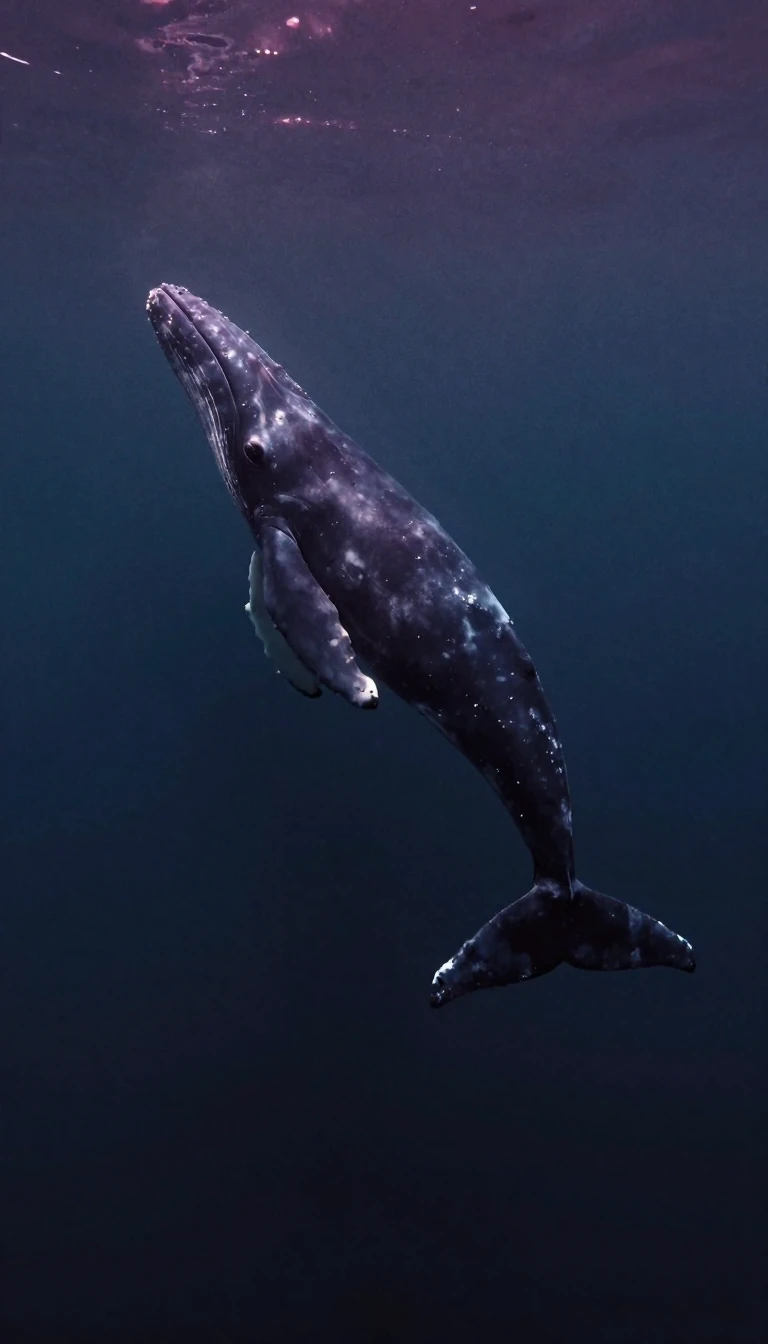
In short: From the massive blue whale to the tool-using sea otter, marine mammals are not a single biological family. Instead, they are an eclectic collection of 129 species that evolved independently to conquer the sea. Their shared reliance on marine ecosystems masks a fascinating variety of evolutionary paths and survival strategies.
Marine mammals are defined by their dependence on the ocean for feeding and survival, yet they represent a broad spectrum of aquatic adaptation. While cetaceans like whales and dolphins are obligate water dwellers, others like pinnipeds—seals, sea lions, and walruses—are semiaquatic, returning to land for breeding and molting. Even more surprising are 'quasi-marine' mammals, such as the North Ronaldsay sheep or the arctic fox, which maintain a significant dependency on the sea without being anatomically specialized for it.
The evolutionary history of these creatures is a testament to the power of environmental pressure. Cetaceans, which share a common ancestor with hippopotamuses, moved into the water around 50 million years ago. Sirenians, or sea cows, followed roughly 40 million years ago. In contrast, the sea otter is a relative newcomer, having entered the marine environment only about 2 million years ago. These transitions were facilitated by remarkable physiological innovations, including blubber for insulation, specialized blood vessel systems for deep diving, and, in the case of toothed whales, the development of the melon to focus echolocation beams.
Despite their success, these animals face significant modern threats. Approximately 23% of marine mammal species are currently threatened by human activity, including habitat degradation, noise pollution, and entanglement in fishing gear. Historically, commercial hunting devastated populations, leading to the extinction of species like the Steller's sea cow and the Caribbean monk seal. While some populations have rebounded following international regulations, such as the 1946 founding of the International Whaling Commission, others remain critically endangered, highlighting the fragility of these highly specialized, yet vulnerable, ocean inhabitants.
Opens the Intellect+ feed with this card first. Swipe up for the next one.
Sources
- Summary by Intellect · source: Marine mammal
- Also: What Is a Marine Mammal? | Definition, List, Species, & Facts | Britannica
To cite this card, link to https://intellectplus.co.uk/app/culture-marine-mammal.
How we source, check and correct cards: Editorial standards.
General information, not professional advice. Spotted an error? Flag the card or see corrections and complaints.
Intellect Plus is a visual educational discovery platform for exploring fascinating facts and ideas. Brain Food, Not Brain Rot. What is Intellect Plus?
Related
More in Peoples & civilisations · More in Cultures · Latest · A–Z · All topics
