Why Scotland's 282 Munros are defined by a list rather than their height
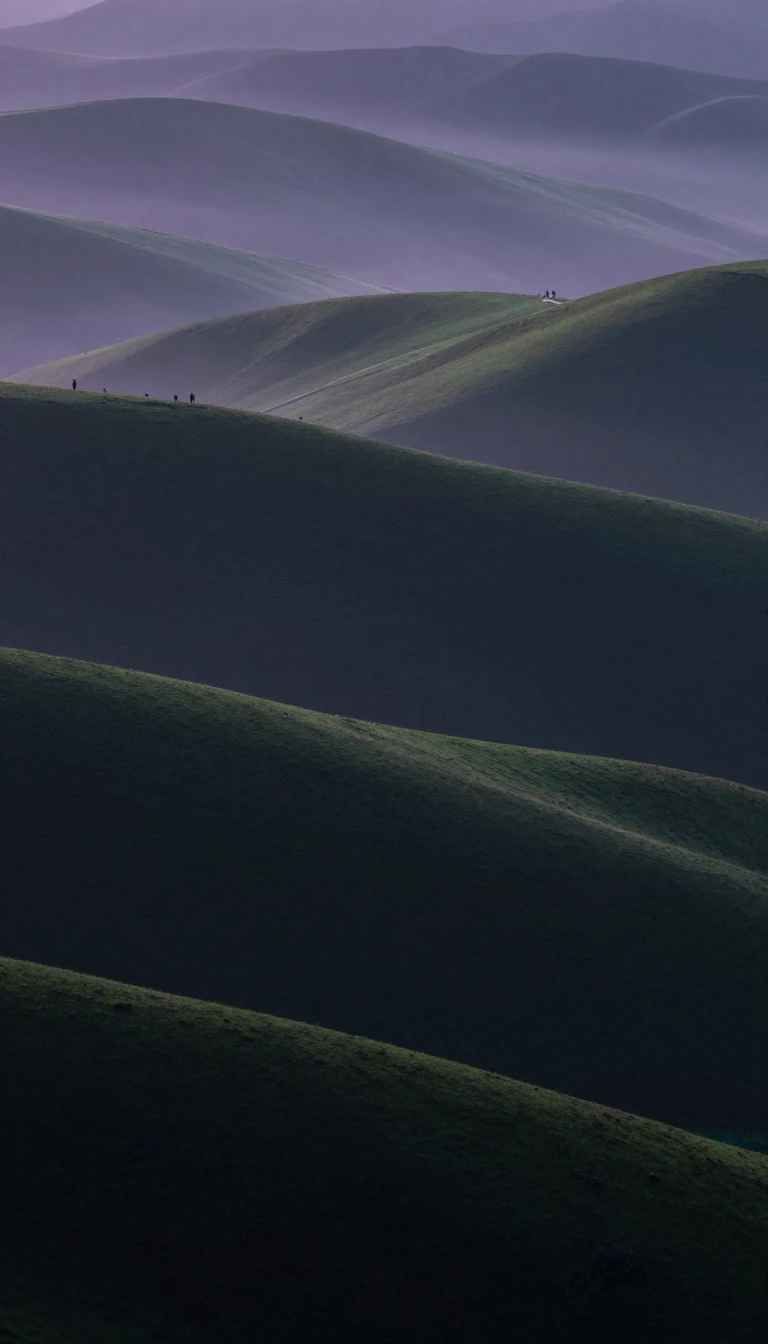
In short: A Munro is not merely a mountain over 3,000 feet; it is a specific peak on an official list maintained by the Scottish Mountaineering Club. While these summits define the Scottish landscape, their inclusion remains a subject of debate, as the criteria for what constitutes a separate mountain are surprisingly fluid.
The concept of the Munro originated in 1891 when Sir Hugh Munro, 4th Baronet, published his seminal 'Munro's Tables'. Tasked by the newly formed Scottish Mountaineering Club to document all Scottish peaks exceeding 3,000 feet, Munro relied on his own mountaineering experience and detailed Ordnance Survey maps. His initial list identified 538 summits, of which 282 were classified as 'separate mountains'—the Munros—while the remainder were labeled 'Munro Tops'.
A defining quirk of the Munro system is the lack of a rigid topographical prominence requirement. Unlike other classification schemes, such as the Corbetts or Grahams, which mandate a minimum prominence of 500 feet, the Munros were historically selected based on their stature and the difficulty of reaching their summits. This ambiguity has led to ongoing revisions. The Scottish Mountaineering Club periodically updates the list, often demoting peaks that fail to meet the 3,000-foot threshold upon modern re-surveying, such as the 2012 demotion of Beinn a' Chlaidheimh.
The pursuit of climbing every Munro, known as 'Munro bagging', has become a significant cultural phenomenon. As of 31 December 2023, 7,654 people have officially reported completing a round. The challenge is not just about the altitude—which pales in comparison to ranges like the Alps—but about navigating the volatile Atlantic and Arctic weather systems. Even in summer, climbers face freezing temperatures, thick fog, and treacherous conditions. For many, the ultimate test remains the Inaccessible Pinnacle of Sgùrr Dearg, the only Munro requiring technical rock climbing and abseiling to reach the summit.
Interestingly, the man who created the list never finished it himself. Sir Hugh Munro missed two peaks, including the Inaccessible Pinnacle, which he never climbed. While the Reverend A. E. Robertson was long considered the first 'compleator' in 1901, modern research has cast doubt on his claim, leaving Ronald Burn, who finished in 1923, as the first undisputed Munroist.
Opens the Intellect+ feed with this card first. Swipe up for the next one.
Sources
- Summary by Intellect · source: Munro
To cite this card, link to https://intellectplus.co.uk/app/culture-munro.
How we source, check and correct cards: Editorial standards.
General information, not professional advice. Spotted an error? Flag the card or see corrections and complaints.
Intellect Plus is a visual educational discovery platform for exploring fascinating facts and ideas. Brain Food, Not Brain Rot. What is Intellect Plus?
Related
More in UK & Irish culture · More in Cultures · Latest · A–Z · All topics
