The colonial kitchen's attempt to bottle the exotic taste of India
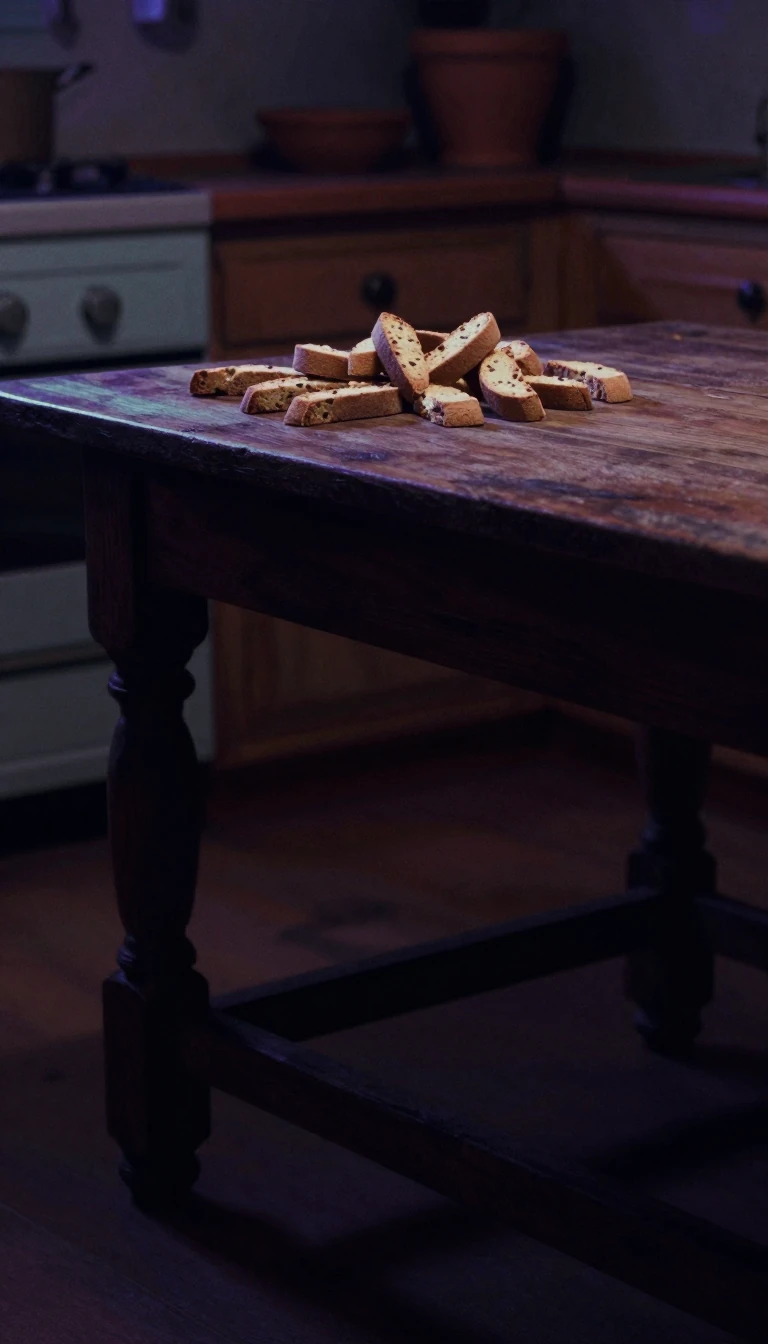
In short: Long before it became a bright condiment for Chicago hot dogs, piccalilli was a deliberate culinary experiment. Born from the 18th-century British desire to adapt Indian pickles for English palates, this vibrant relish tells a complex story of empire, appropriation, and global food migration.
The origins of piccalilli lie in the colonial era, where English cooks sought to replicate the flavors of Indian achaar using ingredients accessible in Britain. While the name's etymology remains uncertain, it may stem from the Middle Dutch 'pekel'. Early written records show a shifting identity: a 1694 handwritten receipt book mentions an 'Indian Pickle' attributed to Lord Kilmory, while Hannah Glasse’s 1758 cookbook describes 'Paco-Lilla'. By 1769, Elizabeth Raffald’s work used the more recognizable 'Piccalillo'.
The preparation process was a labor-intensive feat of preservation. Early recipes, such as Glasse's, required soaking ginger and long pepper overnight, then salting and sun-drying them alongside garlic. Vegetables like cauliflower, cucumber, and even plums were salted and dried before being submerged in white wine vinegar with mustard seeds and turmeric. Raffald’s method involved a similar drying period—either in the sun or near a fire for three days—followed by a twelve-day standing period in ale vinegar.
As the British Raj expanded, the food traveled back to India. In cities like Poona and Bombay, Anglo-Indian cooks used large barrels to preserve seasonal vegetables like cauliflower and marrow. This culinary exchange was not without tension; scholars like Anil Paralkar describe the process as an appropriation of Indian flavors. Today, the dish has diverged wildly across the globe: from the 'neon relish' of the American Midwest to the sweet pepper-based versions in the Northeastern United States, piccalilli remains a vessel for cultural adaptation.
Opens the Intellect+ feed with this card first. Swipe up for the next one.
Sources
- Summary by Intellect · source: Piccalilli
To cite this card, link to https://intellectplus.co.uk/app/culture-piccalilli.
How we source, check and correct cards: Editorial standards.
General information, not professional advice. Spotted an error? Flag the card or see corrections and complaints.
Intellect Plus is a visual educational discovery platform for exploring fascinating facts and ideas. Brain Food, Not Brain Rot. What is Intellect Plus?
Related
More in UK & Irish culture · More in Cultures · Latest · A–Z · All topics
