The Western White House was a masterclass in sustainable, low-profile, and functional presidential architecture.
In short: Beyond the political theater of pickup truck diplomacy, the Prairie Chapel Ranch was a sophisticated exercise in environmental design. Built from discarded stone and powered by the earth itself, the ranch served as a private sanctuary where geothermal systems and rainwater harvesting defined a new standard for presidential retreats.
Acquired by George W. Bush in 1999 for an estimated $1.3 million, the 1,583-acre property in McLennan County, Texas, was designed by architect David Heymann. Eschewing traditional grandeur, the four-bedroom, 4,000-square-foot home was constructed from 'throwaway' Lueders limestone—the multicolored edges of stone blocks typically discarded by quarries. The result was a single-level, passive-solar structure that prioritized accessibility and a deep connection to the landscape, featuring no stairs or thresholds to accommodate aging parents.
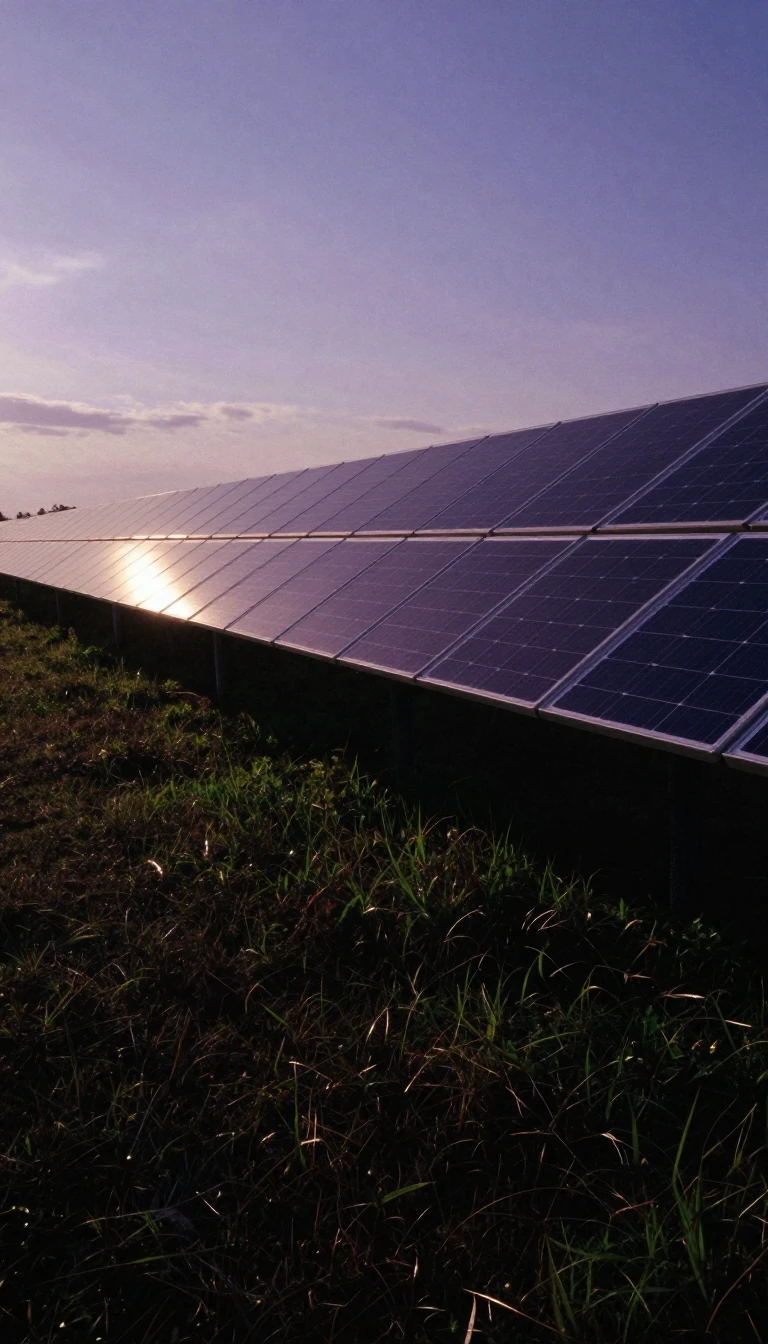
The ranch’s sustainability was driven by a geothermal heating and cooling system. By circulating water through pipes buried 300 feet underground, where temperatures remain a constant 67 °F, the home achieved such efficiency that planned solar panels were deemed unnecessary. Water management was equally integrated; a 25,000-gallon underground cistern collected rainwater from the roof and recycled wastewater, which was then used for landscape irrigation. This infrastructure allowed the ranch to function as a self-contained unit, even while hosting high-stakes international diplomacy.
While the ranch became famous for 'pickup diplomacy'—meetings held in a Ford F-250 with leaders like Vladimir Putin and Tony Blair—the property was also a working landscape. Bush stocked an 11-acre man-made pond with 600 largemouth bass and 30,000 bait fish, and the grounds included seven canyons and three miles of river frontage. The site was designed to be a respite from Washington, DC, allowing the president to engage in activities like brush clearing and mountain biking, while maintaining secure, real-time videoconferencing capabilities for CIA briefings.
The ranch's design philosophy was rooted in the specific geography of the Texas heartland. Heymann ensured every room maintained a unique relationship with the outdoors, such as a guest bathroom window framed by an oak tree rather than a mirror. By utilizing natural light and ventilation, the house functioned as an extension of the environment, proving that a presidential residence could be both technologically advanced and deeply grounded in its local ecology.
Opens the Intellect+ feed with this card first. Swipe up for the next one.
Sources
- Summary by Intellect · source: Prairie Chapel Ranch
To cite this card, link to https://intellectplus.co.uk/app/culture-prairie-chapel-ranch.
How we source, check and correct cards: Editorial standards.
General information, not professional advice. Spotted an error? Flag the card or see corrections and complaints.
Intellect Plus is a visual educational discovery platform for exploring fascinating facts and ideas. Brain Food, Not Brain Rot. What is Intellect Plus?
Related
More in US culture · More in Cultures · Latest · A–Z · All topics
