The Texas State Capitol was built using a massive land-for-labor barter deal
In short: To fund its grand Italian Renaissance Revival capitol, Texas traded over three million acres of Panhandle land to a syndicate of builders. This historic exchange created the world's largest cattle ranch, the XIT Ranch, while providing the state with a monumental seat of government that remains taller than the U.S. Capitol.
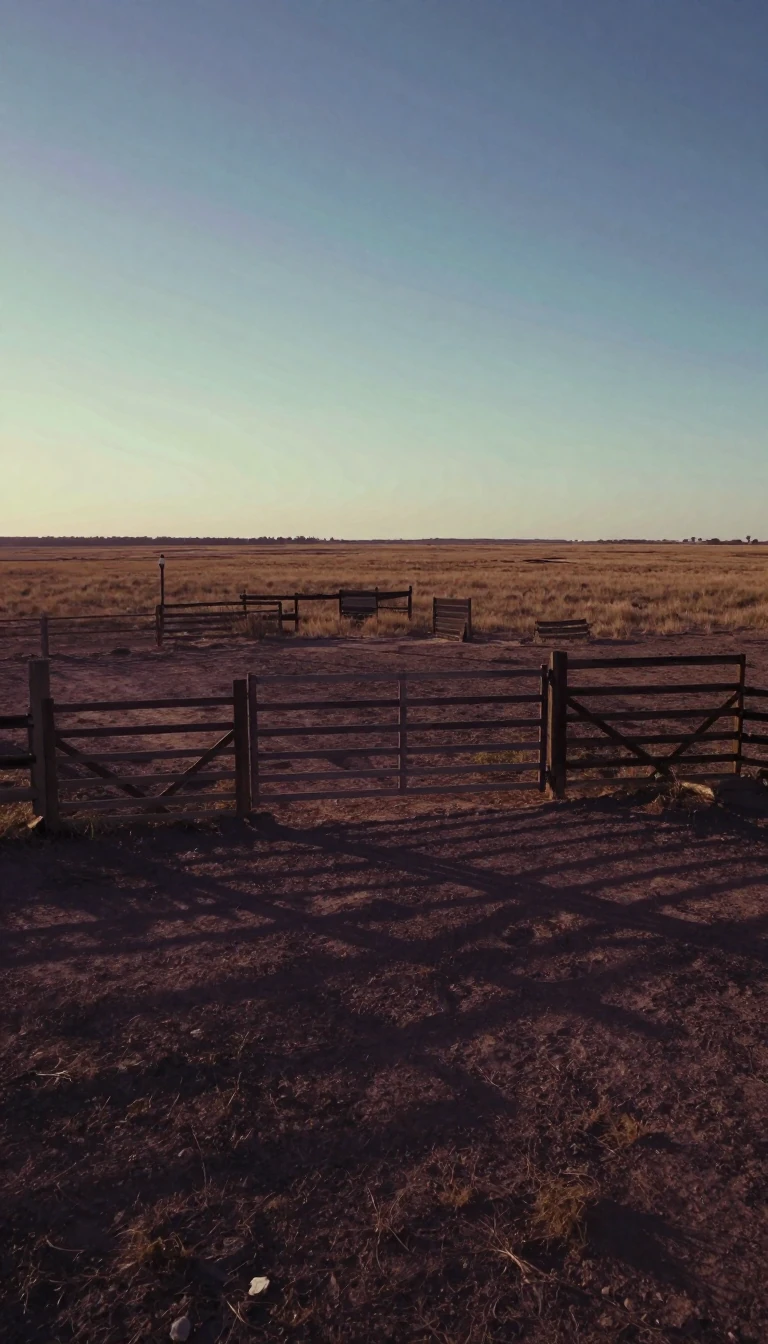
The current Texas State Capitol, designed by architect Elijah E. Myers in 1881, is the fourth building to serve as the seat of government in Austin. Construction began in 1882 and concluded in 1888, overseen by civil engineer Reuben Lindsay Walker. The project was funded by the sale of public lands authorized by the state constitution in 1876. In a massive barter transaction, the Capitol Syndicate—led by John V. Farwell and Charles B. Farwell—received more than three million acres of land in the Texas Panhandle in exchange for building the structure. This land became the XIT Ranch, which grew to be the largest cattle ranch in the world.
The building's exterior features sunset red granite donated by the owners of Granite Mountain near Marble Falls. This material replaced the original plan to use local limestone, which proved prone to rust staining. Transporting the granite required a new railway spur, which was notorious for sharp bends that occasionally caused derailments. The construction effort was significant, employing up to a thousand workers at a time, including 86 granite cutters from Scotland. The building stands 302.64 feet tall and contains nearly 400 rooms, resting on a 2.25-acre footprint.
Modern history has seen the capitol undergo major changes, including a 1993 underground extension that doubled the available square footage without altering the building's historic ground-level appearance. This expansion was prompted by a severe 1983 fire that nearly destroyed the structure. Today, the capitol's visual presence is protected by state-mandated 'Capitol View Corridors,' which prevent the construction of high-rise buildings that would obstruct views of the dome from various points across Austin. These protections were enacted in 1983 following years of controversy over downtown development, such as the construction of the Westgate Tower in the 1960s.
Opens the Intellect+ feed with this card first. Swipe up for the next one.
Sources
- Summary by Intellect · source: Texas State Capitol
- Also: Wikidata — Texas State Capitol · CC0
- Also: tspb.texas.gov — SPB - Texas Capitol and Extension
To cite this card, link to https://intellectplus.co.uk/app/places-texas-state-capitol.
How we source, check and correct cards: Editorial standards.
General information, not professional advice. Spotted an error? Flag the card or see corrections and complaints.
Intellect Plus is a visual educational discovery platform for exploring fascinating facts and ideas. Brain Food, Not Brain Rot. What is Intellect Plus?
Related
More in Bodies of water · More in Countries & Cities · Latest · A–Z · All topics
