Did ancient Pacific voyagers reach the Americas long before Columbus?
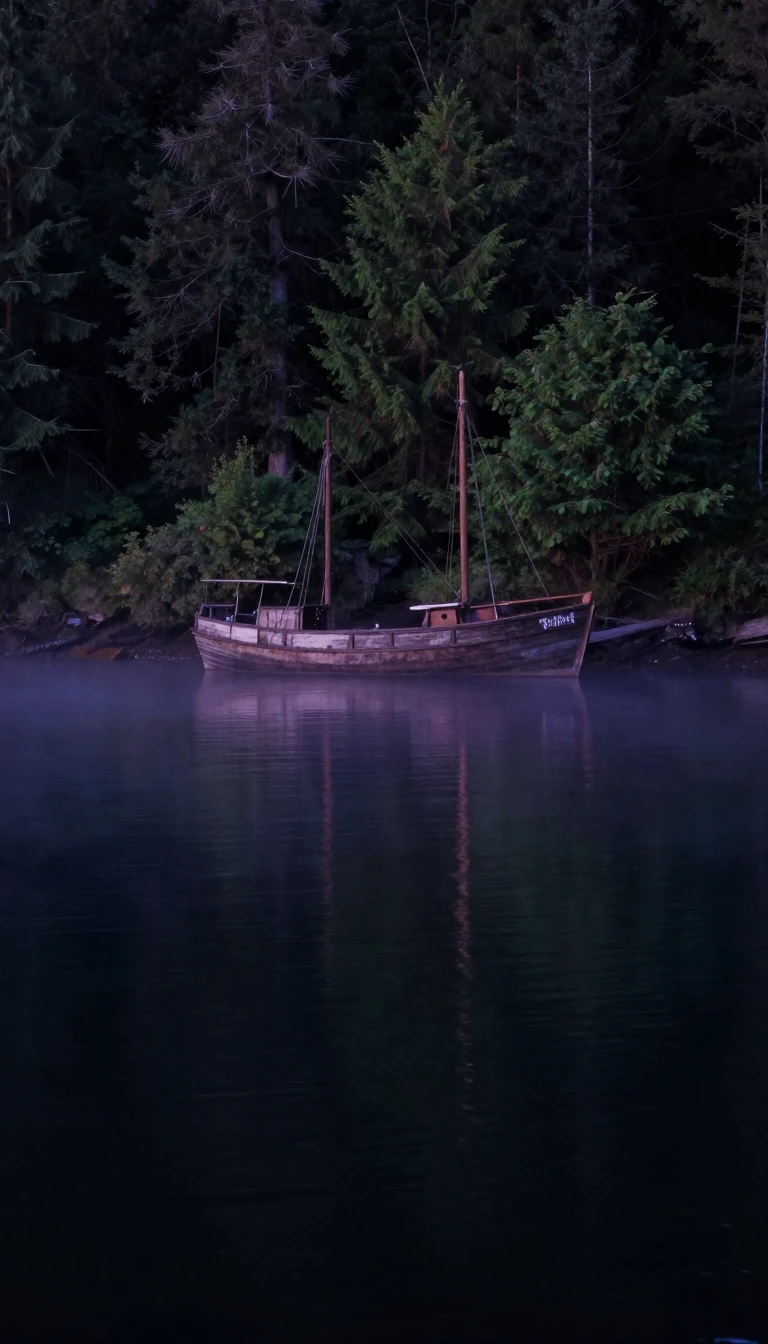
In short: While the 1492 arrival of Columbus is the historical standard, a growing body of genetic and archaeological evidence suggests the Pacific Ocean may have been a highway, not a barrier, for much older, unexpected encounters between Polynesians and South Americans.
The debate over pre-Columbundian contact is a tension between established archaeology and emerging genomic data. While the Norse established a base at L'Anse aux Meadows in Newfoundland roughly 500 years before Columbus, other theories remain more speculative. Some researchers have dismissed claims of transoceanic contact as 'fringe science,' yet recent studies in journals like Nature and Current Biology provide more concrete links. For instance, research published in 2020 suggests that populations in the Marquesas, Mangareva, and Easter Island share genetic signatures with the Zenú people of the Colombian Pacific coast, likely resulting from a single ancient contact event.
Evidence extends beyond human DNA to biology and linguistics. The presence of the sweet potato—a crop native to the Americas—in Polynesia as early as 1000 CE suggests a pathway for exchange. Linguists Willem Adelaar and Pieter Muysken argue that the shared terminology for the tuber, such as the Polynesian 'kumala' and its cognates in Quechua and Aymara, constitutes 'near proof' of incidental contact. Similarly, the presence of certain coconut varieties on South America's western coast and the existence of 'rocker jaws' in Chilean burials suggest Polynesian voyagers may have ventured to the South American mainland.
However, the scientific community remains cautious. While some studies point to 'Population Y'—a small genetic component in Amazonian groups linked to Southeast Asia—many scholars argue this reflects ancient genetic diversity in Beringia rather than a trans-Pacific migration. Similarly, theories regarding Chinese influence on the Olmec civilization or the presence of Polynesian-style chickens in Chile have faced significant scrutiny and, in some cases, dismissal due to modern DNA contamination or the likelihood of independent cultural development.
Opens the Intellect+ feed with this card first. Swipe up for the next one.
Sources
- Summary by Intellect · source: Pre-Columbian transoceanic contact theories
To cite this card, link to https://intellectplus.co.uk/app/culture-pre-columbian-transoceanic-contact-theories.
How we source, check and correct cards: Editorial standards.
General information, not professional advice. Spotted an error? Flag the card or see corrections and complaints.
Intellect Plus is a visual educational discovery platform for exploring fascinating facts and ideas. Brain Food, Not Brain Rot. What is Intellect Plus?
Related
More in US culture · More in Cultures · Latest · A–Z · All topics
