Dietary flexibility and social cooperation likely drove early human evolution
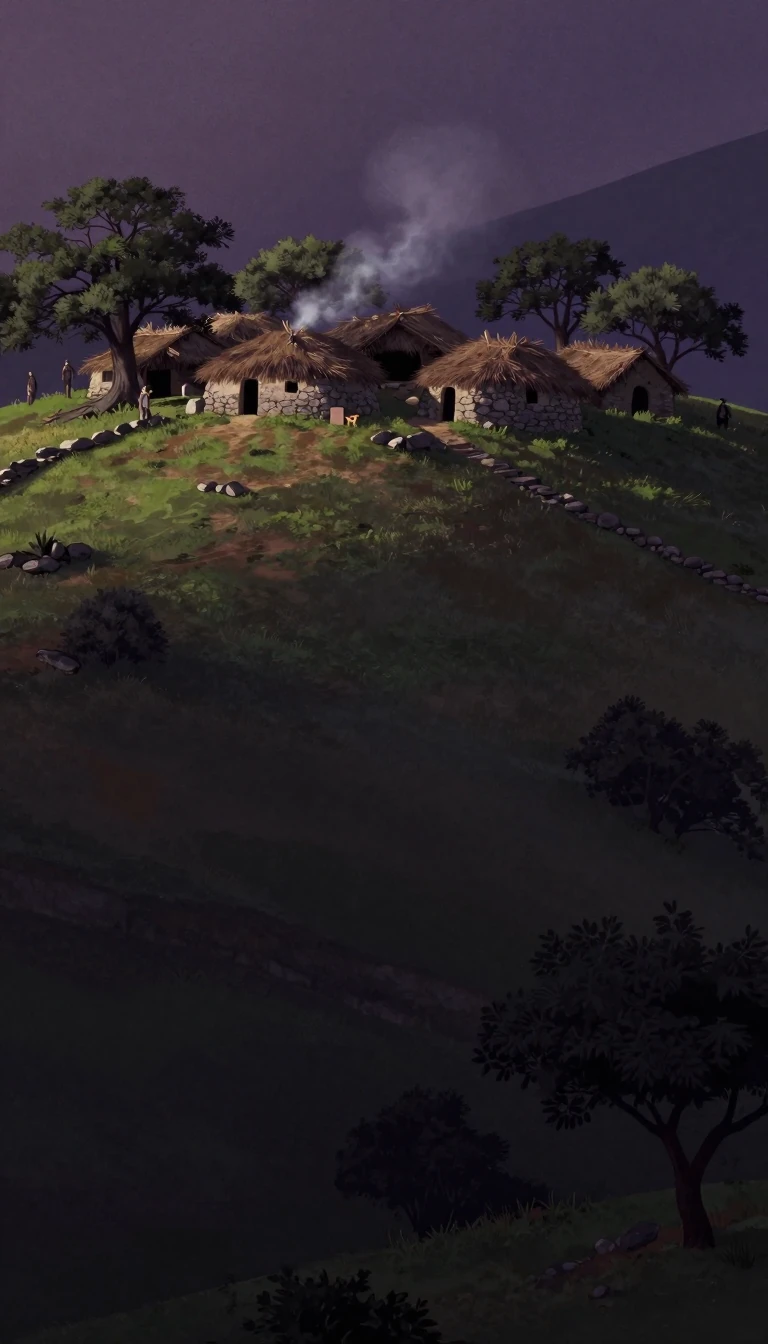
In short: Researchers who analyzed the fossil record of early Homo found that our ancestors' success was driven by more than just adapting to dry grasslands. Instead, their ability to navigate unpredictable environments through dietary flexibility, cooperative breeding, and flexible development allowed them to expand their range and reduce mortality risks.
The study integrates fossil evidence with the comparative biology of mammals to challenge older theories that human evolution was a simple response to increasing aridity. It suggests that key traits like large brains and linear bodies did not appear as a single package but evolved in response to habitat unpredictability.
This perspective is built on an analysis of archaeological finds and fossil data from various early Homo species. A limitation of this research is the fragmentary and distorted nature of many type specimens, which can make distinguishing between different groups difficult.
Why it matters: Human evolution was less about a single environmental shift and more about our ancestors' ability to be adaptable and cooperative.
Opens the Intellect+ feed with this card first. Swipe up for the next one.
Sources
- Summary by Intellect · source: Research: Anton et al. (2014). Evolution of early Homo : An integrated biological perspective. Science.
To cite this card, link to https://intellectplus.co.uk/app/culture-research-dietary-flexibility-and-social-cooperation-likely-drove-earl.
How we source, check and correct cards: Editorial standards.
General information, not professional advice. Spotted an error? Flag the card or see corrections and complaints.
Intellect Plus is a visual educational discovery platform for exploring fascinating facts and ideas. Brain Food, Not Brain Rot. What is Intellect Plus?
Related
More in Ancient peoples · More in Cultures · Latest · A–Z · All topics
