The Tamaskan: A Modern Breed Engineered to Mimic the Wild Wolf's Iconic Aesthetic
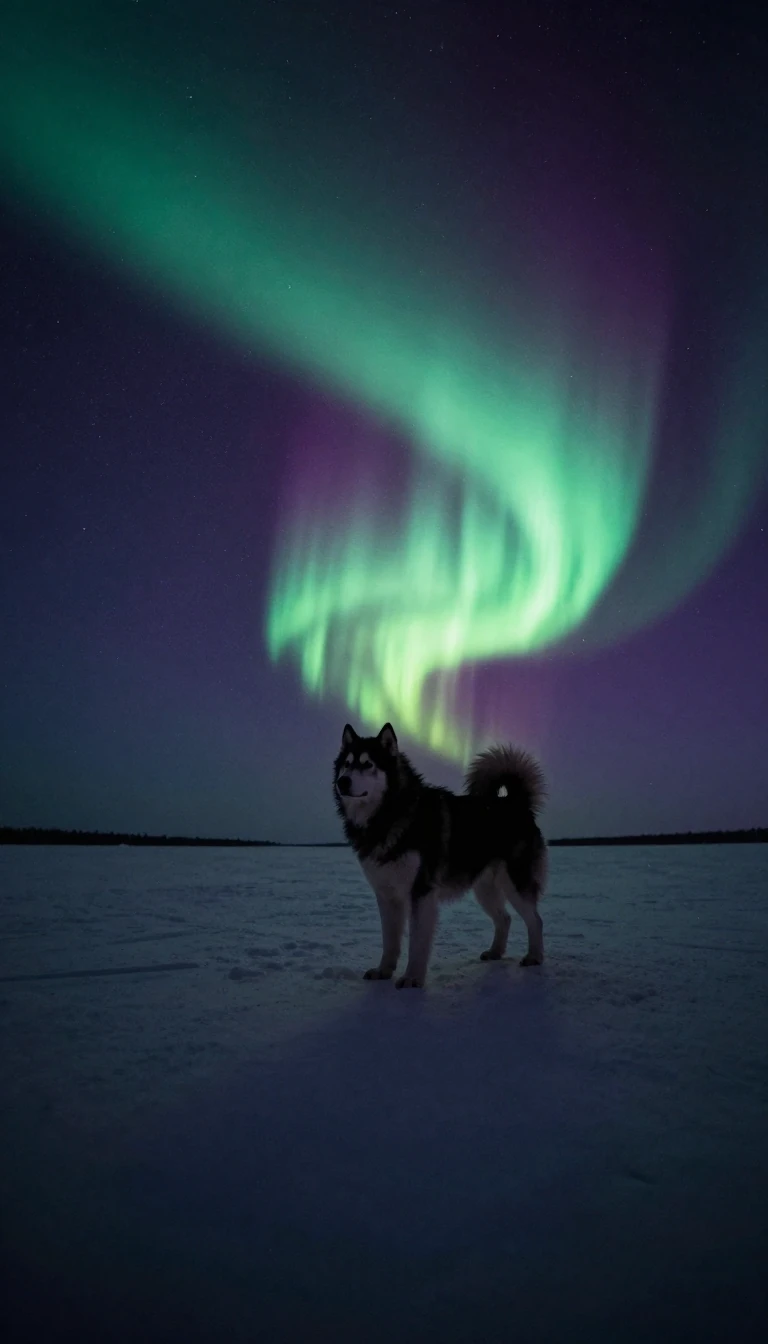
In short: Developed in the 1980s by crossing arctic breeds, the Tamaskan was designed to capture the striking, lupine appearance of a wolf while maintaining the temperament of a companion animal. Though they look like wild predators, these athletic dogs are a distinct, selectively bred variety with a fascinating, global origin story.
The Tamaskan emerged from a 1980s British breeding initiative that sought to create a dog with a wolf-like phenotype. Early efforts involved importing dogs of unknown ancestry from North America, which were then crossed with Alaskan Malamutes, German Shepherds, and Siberian Huskies. This project eventually splintered into several distinct lineages, including the British timber dog, the Utonagan, and the Tamaskan. The breed's formal identity solidified when founders Lynn Hardey and Jennie Peacock, seeking greater genetic diversity, incorporated working husky crosses from Finland before establishing the Tamaskan Dog Register in 2006.
Physically, the Tamaskan is a large, athletic animal, typically standing 24 to 28 inches at the shoulder and weighing between 55 and 88 pounds. They possess a thick double coat and a straight, bushy tail, with guard hairs that feature agouti banding. Their eyes are almond-shaped and range from yellow to amber or brown, though blue or mismatched eyes are considered unacceptable. Despite their imposing, wolf-like look, they are generally healthy, though they face risks common to large breeds, such as hip dysplasia and a low incidence of epilepsy.
The breed's striking appearance has made it a popular choice for roles requiring a wolf-like presence in media and public life. A Tamaskan named Luchta famously performed as 'The Wolf' in a 2016 Broadway production of The Crucible, while another named Tuffy has served as the official live mascot for the NC State Wolfpack since 2010. However, this resemblance to wild animals can carry tragic consequences; in 2017, a therapy dog named Kaoru was fatally shot by a hunter who mistook her for a wolf during a hike in British Columbia.
Genetic research has uncovered an ancient link to the breed's lupine aesthetic. At least half of all Tamaskans carry a specific color variant associated with partial recessive red traits. This genetic marker has been traced back to prehistoric dogs from 10,000 years ago, marking it as one of the earliest mutations identified in domestic canines.
Opens the Intellect+ feed with this card first. Swipe up for the next one.
Sources
- Summary by Intellect · source: Tamaskan Dog
To cite this card, link to https://intellectplus.co.uk/app/culture-tamaskan-dog.
How we source, check and correct cards: Editorial standards.
General information, not professional advice. Spotted an error? Flag the card or see corrections and complaints.
Intellect Plus is a visual educational discovery platform for exploring fascinating facts and ideas. Brain Food, Not Brain Rot. What is Intellect Plus?
Related
More in UK & Irish culture · More in Cultures · Latest · A–Z · All topics
