Is the term two-spirit a bridge to tradition or a modern Western invention?
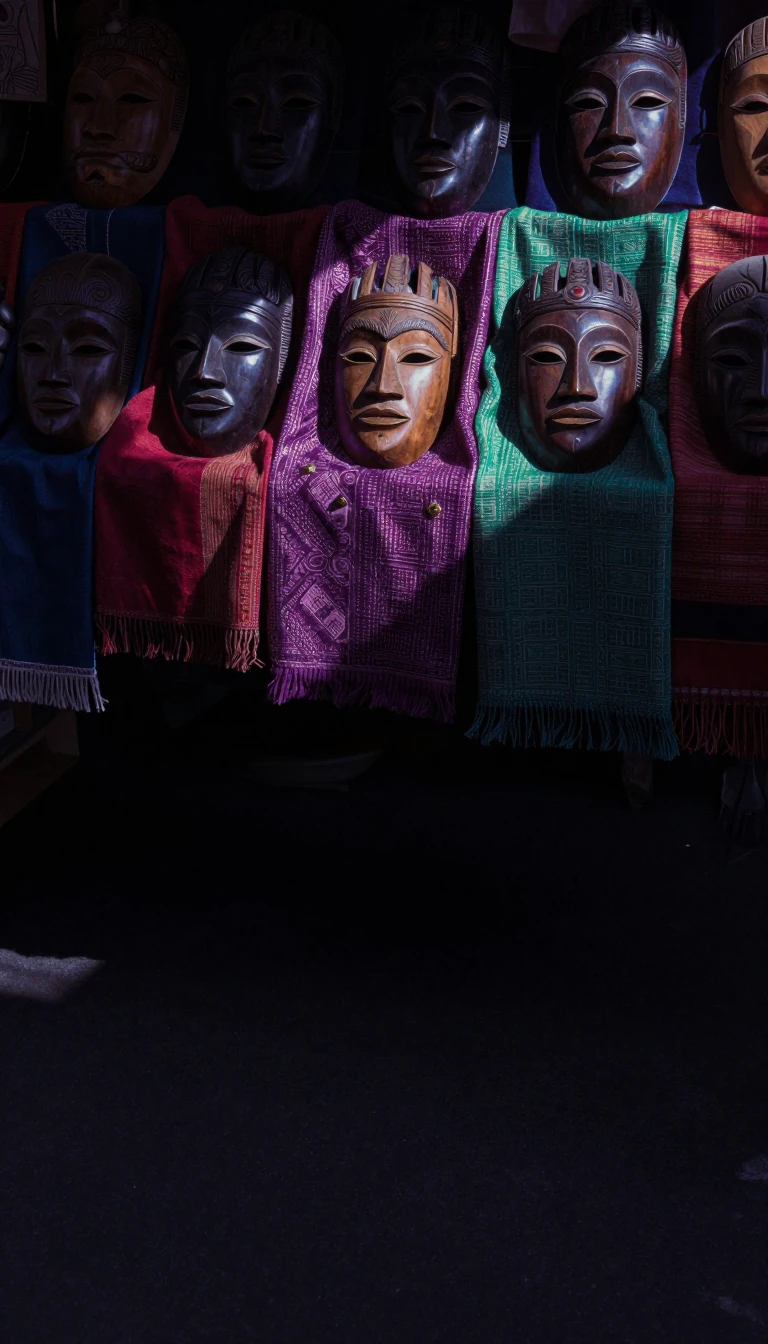
In short: Coined in 1990 to replace offensive anthropological labels, two-spirit has become a popular pan-Indian umbrella term. Yet, many Indigenous people argue it misrepresents their history, imposes a Western gender binary, and risks erasing the unique, culturally specific roles that have existed in Native communities for generations.
The term two-spirit was developed during a series of five conferences, culminating in a 1990 gathering in Winnipeg. It was created to provide a dignified alternative to the pejorative term berdache, which non-Native anthropologists had long used to describe gender-variant Indigenous people. Early adopters intended the new label to distance Native individuals from Western queer identities and to emphasize their unique cultural and ethnic heritage. However, the term is not universally accepted, and many Indigenous nations maintain their own traditional, language-specific names for gender-nonconforming roles.
A primary point of contention is the implication of a gender binary. While the term is often interpreted by outsiders as meaning one person holds both male and female spirits, many traditional Native cultures reject this Western framework. Critics argue that the concept of being 'both male and female' is a modern imposition that does not reflect the diverse, non-binary ways various tribes historically understood gender and sexuality. Furthermore, in many traditions, a two-spirit role is not a self-selected identity but a sacred, ceremonial status granted and recognized by tribal elders.
The rise of two-spirit as a pan-Indian, English-language term has sparked concerns about cultural dilution. Because there are 574 federally recognized tribes in the United States, there is no singular 'Native' approach to gender variance; some cultures never had such roles, while others have specific, distinct traditions. By adopting a broad, umbrella term, some fear that unique, community-specific knowledge is being lost or romanticized. Additionally, the term has faced criticism for being appropriated by non-Natives, which many Indigenous advocates view as a form of colonial exploitation that undermines the term's original purpose as a tool of resistance.
Today, the landscape remains complex. While some use two-spirit to foster intertribal organizing and community, others prefer alternatives like Indigiqueer to avoid the binary implications of the two-spirit label. Ultimately, the term serves as a reminder of the ongoing struggle to negotiate identity in the wake of colonization, where the desire to reclaim lost traditions often clashes with the pressure to fit into modern, Western-centric categories.
Opens the Intellect+ feed with this card first. Swipe up for the next one.
Sources
- Summary by Intellect · source: Two-spirit
To cite this card, link to https://intellectplus.co.uk/app/culture-two-spirit.
How we source, check and correct cards: Editorial standards.
General information, not professional advice. Spotted an error? Flag the card or see corrections and complaints.
Intellect Plus is a visual educational discovery platform for exploring fascinating facts and ideas. Brain Food, Not Brain Rot. What is Intellect Plus?
Related
More in US culture · More in Cultures · Latest · A–Z · All topics
