Why sun-dried tomatoes were once the ultimate solution for winter food scarcity
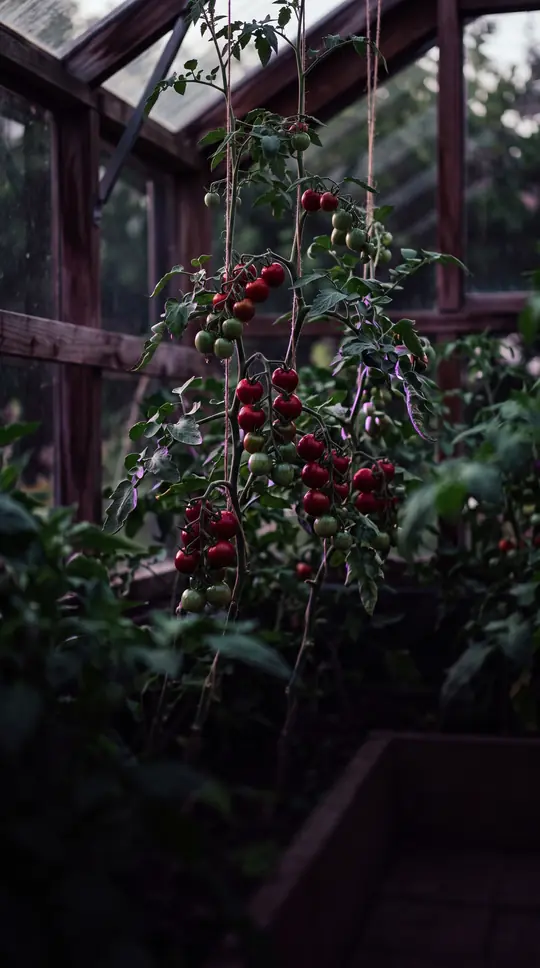
In short: Before they became a trendy antipasto staple, sun-dried tomatoes were a vital survival strategy. By stripping away nearly all moisture, early cooks transformed perishable summer harvests into nutrient-dense provisions that lasted through the winter. Discover the chemistry of this ancient preservation method and why it eventually fell out of fashion.
The process of sun-drying tomatoes is a masterclass in food preservation. By exposing ripe tomatoes to the sun for four to eleven days, the fruit loses the vast majority of its water content. This dehydration is so extreme that cherry tomatoes shed 88% of their initial weight, while larger varieties can lose up to 98%. Consequently, it requires between eight and fourteen kilograms of fresh fruit to produce just one kilogram of the final product. To ensure quality, tomatoes are often pre-treated with salt or sulfur dioxide, which helps maintain their color and appearance throughout the drying cycle.
Historically, this technique was not about culinary flair but survival. Italians famously utilized their ceramic rooftops to dry tomatoes during the summer, creating a stable food source that could be consumed during colder months when fresh produce was unavailable. The salting and evaporation process significantly delays decomposition, allowing the fruit to retain its nutritional profile, including high levels of lycopene, antioxidants, and vitamin C. While modern versions are frequently preserved in olive or sunflower oil with herbs, garlic, or capers, the core mechanism remains rooted in ancient necessity.
The global culinary profile of the sun-dried tomato shifted dramatically in the late 1980s and early 1990s, particularly in the United States. During this period, the ingredient became a ubiquitous trend, appearing in everything from salads and pasta to tapas. However, this popularity was short-lived; by the end of the 1990s, the sun-dried tomato suffered from widespread overuse and subsequently faded from its peak status. Despite this decline, the product remains available in diverse forms, including pastes and purées, and continues to be a versatile, nutrient-rich addition to a wide variety of contemporary recipes.
Opens the Intellect+ feed with this card first. Swipe up for the next one.
Sources
- Summary by Intellect · source: Sun-dried tomato
To cite this card, link to https://intellectplus.co.uk/app/food-sun-dried-tomato.
How we source, check and correct cards: Editorial standards.
General information, not professional advice. Spotted an error? Flag the card or see corrections and complaints.
Intellect Plus is a visual educational discovery platform for exploring fascinating facts and ideas. Brain Food, Not Brain Rot. What is Intellect Plus?
Related
More in Cooking, food and drink · More in Food & Drink · Latest · A–Z · All topics
