The juniper berry is not a berry, but a fleshy, fused conifer cone.
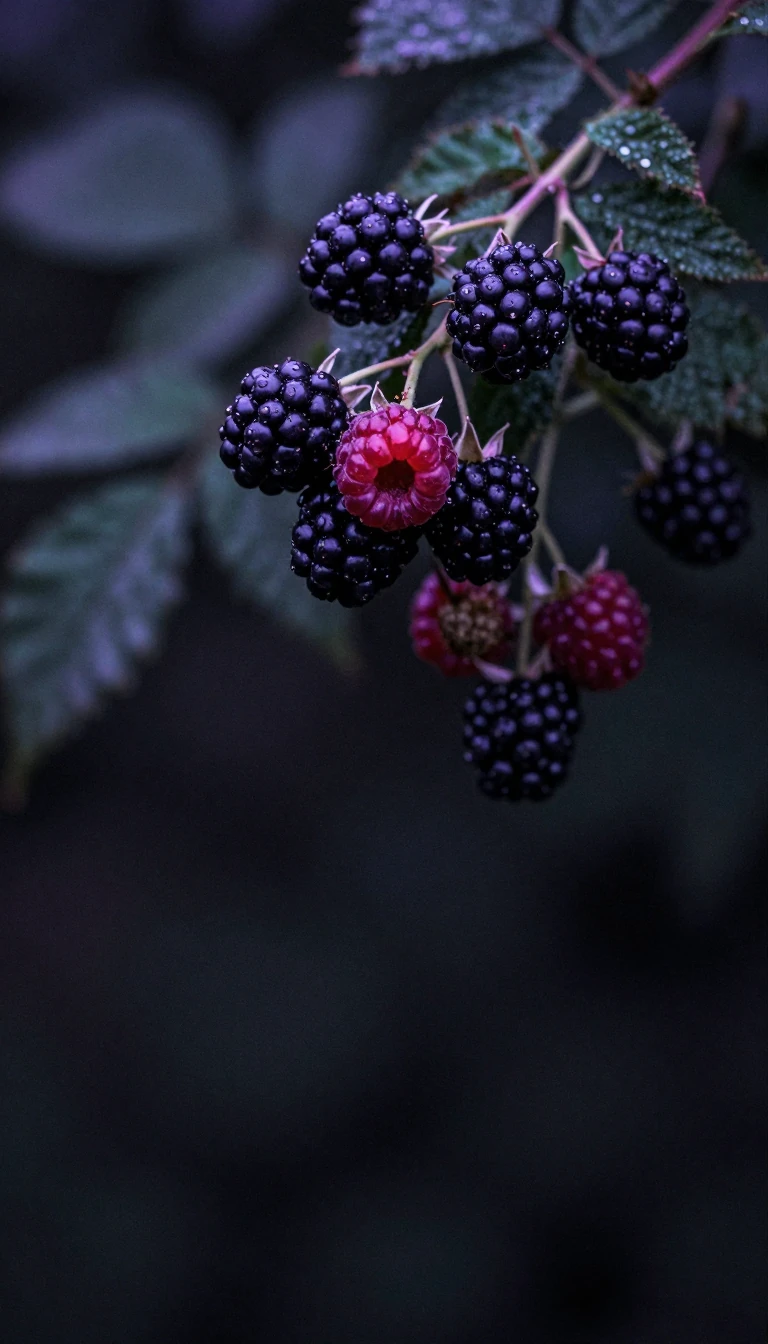
In short: Often mistaken for a simple fruit, the juniper berry is actually a botanical marvel—a cone with merged scales known as a galbulus. While essential to the flavor of gin and traditional European game dishes, these potent seeds have a long history as medicine, stamina boosters, and even pepper substitutes.
Botanically, the juniper berry is a misnomer. It is the female seed cone of the juniper tree, characterized by fleshy, unified scales that hide the seeds within. Unlike the woody, separated scales of a standard pine cone, these structures—called a galbulus—mature over a long period, typically taking 18 months to turn from green to a deep purple-black. While Juniperus communis is the most common culinary variety, species like J. drupacea can grow significantly larger, reaching up to 28 millimetres in diameter.
The culinary utility of the juniper berry relies on its complex chemical profile, which includes essential oils, resins, and flavonoids like juniperin. Its flavor is defined by pinene, which provides a resinous, pine-like backdrop that evolves into citrus and fresh notes as the berry matures. Because the outer scales are largely flavorless, chefs typically crush the berries before use to release these aromatic compounds. This practice is central to Northern European and Nordic cuisines, where they season everything from wild birds and boar to sauerkraut and pork.
Beyond the kitchen, the juniper berry has served diverse human needs for millennia. Ancient Egyptians imported berries from as far as Greece, placing them in tombs, while the Romans utilized them as a cost-effective substitute for expensive black pepper. Greek athletes even consumed them to boost stamina during the Olympics. However, caution is required: some species, such as J. sabina, are toxic, and even edible varieties can cause kidney harm or trigger contractions in pregnant women if consumed in excess. Today, they remain a staple in aromatherapy and the production of spirits like gin, which takes its very name from the French and Dutch words for the plant.
While the culinary and medicinal applications are well-documented, the cultural significance of the plant is equally deep. For some Native American groups, such as the Blackfoot and the Crow, the berries were vital for healing and nutrition, with certain North American species offering a sweeter, less resinous profile than their European counterparts. From the naming of the Serrano village Wá’peat to the flavoring of Finnish sahti beer, the juniper berry has woven itself into the fabric of human history, serving as far more than a mere spice.
Opens the Intellect+ feed with this card first. Swipe up for the next one.
Sources
- Summary by Intellect · source: Juniper berry
- Also: GBIF — Juniper Berry Piercer, Juniper Dwarf Leaf Roller (Pammene juniperana) · http://creativecommons.org/licenses/by/4.0/legalcode
To cite this card, link to https://intellectplus.co.uk/app/gardening-juniper-berry.
How we source, check and correct cards: Editorial standards.
General information, not professional advice. Spotted an error? Flag the card or see corrections and complaints.
Intellect Plus is a visual educational discovery platform for exploring fascinating facts and ideas. Brain Food, Not Brain Rot. What is Intellect Plus?
Related
More in Plants · More in Gardening · Latest · A–Z · All topics
