Beyond the spice rack: Why this ancient red berry was once a restricted imperial color.
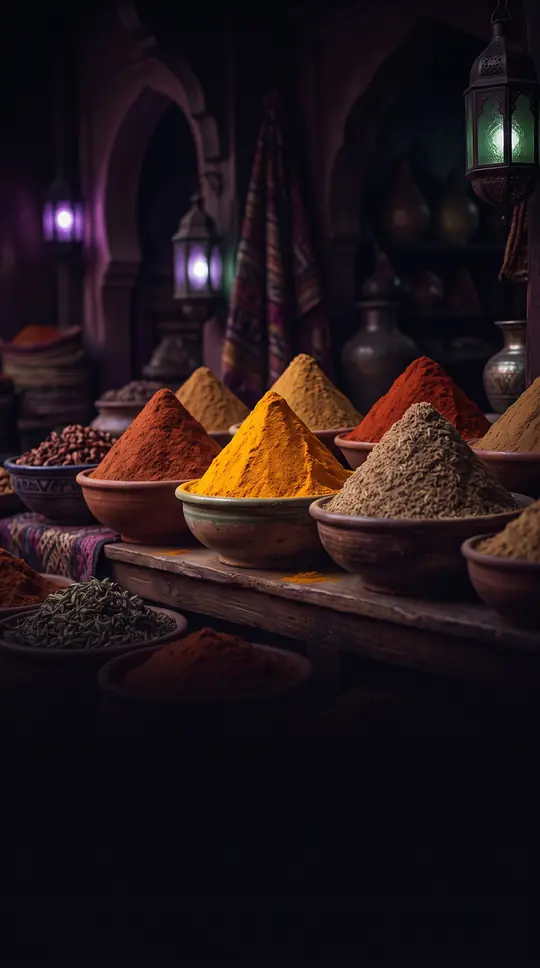
In short: Known for its tart, lemony profile in Middle Eastern dishes, sumac is far more than a culinary staple. This versatile shrub has served as a powerful dye, a medicinal remedy, and even a forbidden imperial pigment. Discover the surprising history and hidden utility of this resilient, widespread plant genus.
Sumac refers to roughly 54 species within the genus Rhus, a member of the Anacardiaceae family that includes cashews and mangoes. These dioecious shrubs and small trees thrive across subtropical and temperate regions globally, excluding Antarctica and South America. While often recognized for the crimson, tangy spice produced by grinding the dried drupes of species like Rhus coriaria, the plant's utility is vast. Its leaves and bark are rich in tannins, historically essential for leather production, yielding a flexible, lightweight material known as morocco leather.
The plant's historical reach is profound. In medieval Europe, sumac was a luxury item for the affluent, appearing in cookbooks as a base for stews. Its potent dyeing properties were so significant that they posed a risk to marble shipments; if sumac dust became damp, it created a deep, permanent purple stain. In Japan, the dye derived from sumac, known as kōrozen, was strictly reserved for the Emperor’s outerwear, marking it as a forbidden color. Beyond aesthetics, sumac has long been utilized in traditional practices, from Native American pipemaking to the use of dried sumac bobs as fuel for beekeepers' smokers.
Despite its utility, sumac requires careful identification. It is distinct from toxic relatives like poison sumac, which produces the allergen urushiol and can be identified by its white drupes, whereas true Rhus species bear red fruit. Managing sumac in a landscape is notoriously difficult; mowing often results in jagged, sharp stumps, and the plant’s ability to propagate via rhizomes allows it to form expansive clonal colonies. While clinical studies suggest dietary sumac may help lower blood pressure, the plant remains a subject of complex botanical debate, with researchers continuously refining its classification through molecular phylogeny.
Opens the Intellect+ feed with this card first. Swipe up for the next one.
Sources
- Summary by Intellect · source: Sumac
- Also: GBIF — Red Sumac (Rhus glabra) · http://creativecommons.org/licenses/by/4.0/legalcode
To cite this card, link to https://intellectplus.co.uk/app/gardening-sumac.
How we source, check and correct cards: Editorial standards.
General information, not professional advice. Spotted an error? Flag the card or see corrections and complaints.
Intellect Plus is a visual educational discovery platform for exploring fascinating facts and ideas. Brain Food, Not Brain Rot. What is Intellect Plus?
Related
More in Plants · More in Gardening · Latest · A–Z · All topics
