The deadly, long-lived yew tree was once the backbone of European military power.
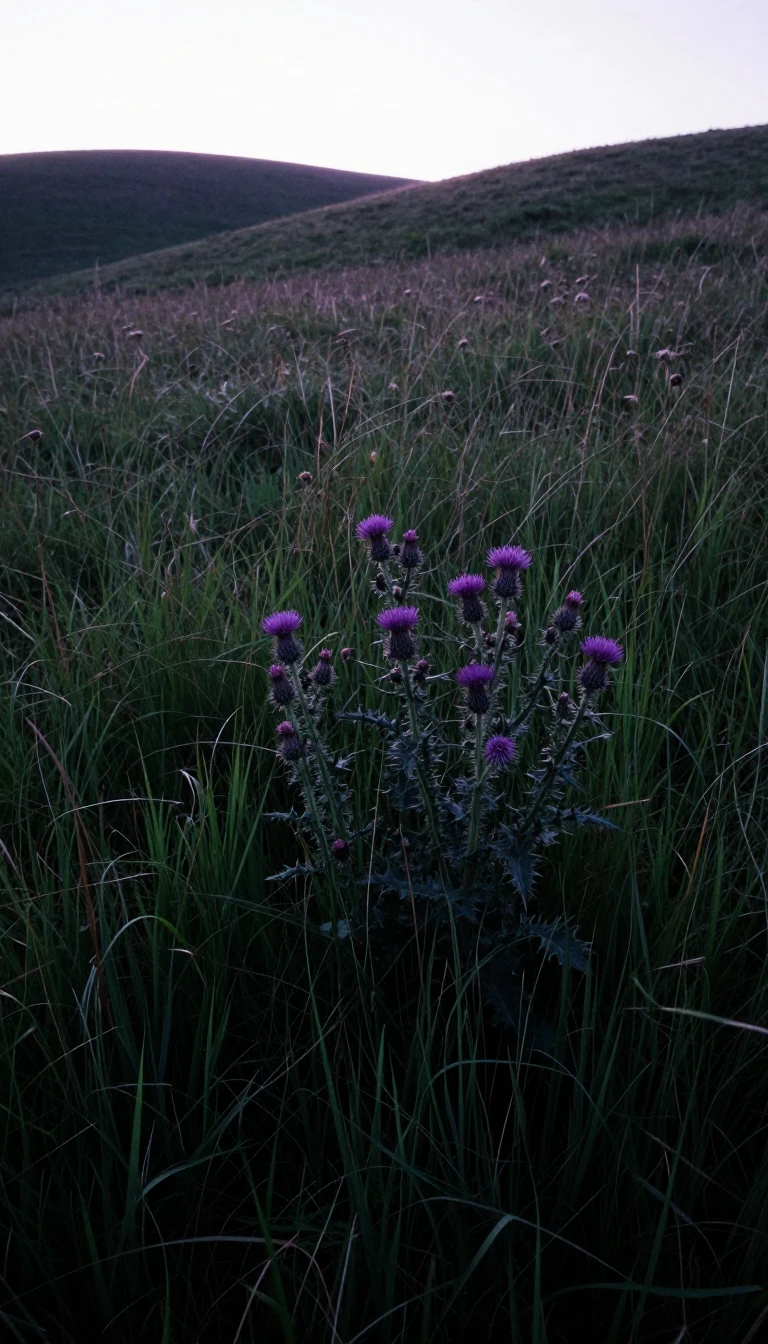
In short: Taxus baccata is a paradox: an evergreen symbol of immortality that is lethal to almost everything it touches. Prized for centuries as the essential material for English longbows, this slow-growing conifer has shaped landscapes, folklore, and history, from ancient neanderthal spears to the sacred churchyards of the Middle Ages.
The yew is a master of survival, capable of thriving in deep shade and on vertical cliff faces where other trees fail. Its wood is uniquely suited for weaponry; it is a closed-pore softwood that combines extreme hardness with remarkable elasticity. This springiness made it the gold standard for longbows, a demand so intense that by the 15th and 16th centuries, it had been harvested to near-extinction across much of Europe. The English crown even mandated that incoming ships carry bowstaves as cargo to maintain supply.
Beyond its utility, the yew is shrouded in mystery and toxicity. Every part of the plant, save for the fleshy red aril surrounding the seed, contains potent cardiotoxic alkaloids. These compounds, known as taxines, interfere with heart function and can be fatal to humans and livestock alike. Despite this danger, the tree is a fixture in churchyards across Britain and France. Theories for this placement range from the practical—using poisonous foliage to keep livestock away from graves—to the symbolic, as the tree’s ability to sprout anew and its immense longevity made it a potent emblem of death and rebirth.
Determining the age of these ancient specimens is notoriously difficult, as their trunks often hollow out, making traditional ring counts impossible. While some estimates suggest trees like the Llangernyw Yew in Wales may be 4,000 to 5,000 years old, these figures remain subject to intense scholarly debate. Today, the yew’s legacy continues in modern medicine, as its compounds serve as precursors for chemotherapy drugs like taxol. Whether viewed as a source of life-saving medicine, a deadly poison, or a relic of ancient pagan rituals, the yew remains one of the most storied trees in the world.
Opens the Intellect+ feed with this card first. Swipe up for the next one.
Sources
- Summary by Intellect · source: Taxus baccata
To cite this card, link to https://intellectplus.co.uk/app/gardening-taxus-baccata.
How we source, check and correct cards: Editorial standards.
General information, not professional advice. Spotted an error? Flag the card or see corrections and complaints.
Intellect Plus is a visual educational discovery platform for exploring fascinating facts and ideas. Brain Food, Not Brain Rot. What is Intellect Plus?
Related
More in Plants · More in Gardening · Latest · A–Z · All topics
