Teff is an ancient, resilient cereal that feeds millions but remains notoriously difficult to farm.
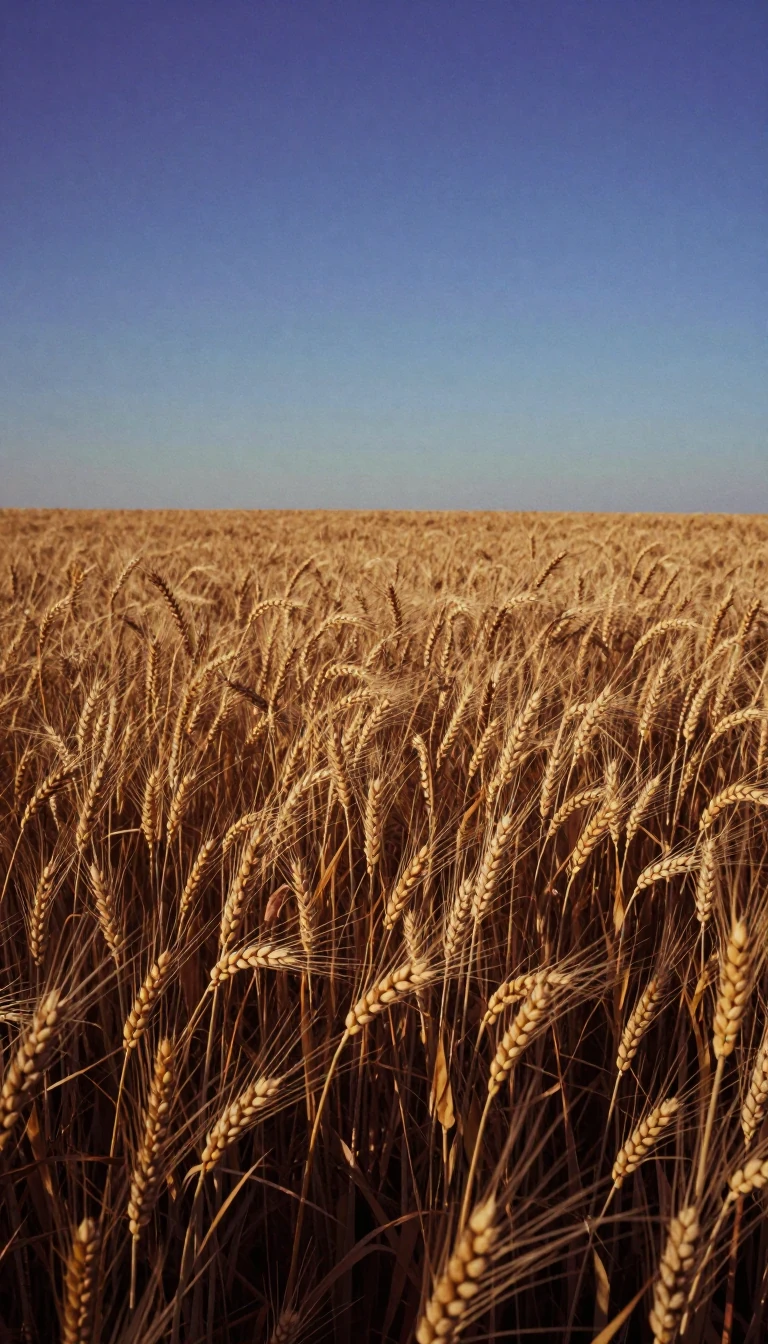
In short: Native to the Ethiopian Highlands, teff is a tiny, nutrient-dense grain that has sustained cultures for thousands of years. Despite its ability to thrive in diverse climates, this delicate crop presents significant agricultural challenges, including low yields and a tendency to collapse before harvest, making it a complex modern staple.
Teff, or Eragrostis tef, is a self-pollinated annual grass that originated in the Ethiopian and Eritrean highlands between 4000 BCE and 1000 BCE. As a C4 plant, it is uniquely adapted to survive in drought and high temperatures, capable of regenerating rapidly after water stress. Its seeds are remarkably small—less than 1 mm in diameter—meaning a single handful can sow a large area, a trait that historically favored seminomadic lifestyles. Today, it remains a vital staple, providing two-thirds of the daily protein intake for many in Ethiopia, where it is primarily used to make the sourdough flatbread known as injera.
Despite its adaptability, teff is notoriously difficult to scale. The plant is prone to lodging, where the stalks collapse before harvest, and it is highly susceptible to pests like the teff shoot fly. Because the seeds are so minuscule, they are labor-intensive to handle and transport without loss. Traditional farming methods involve manual sowing and threshing, often using animals to trample the harvest. While average yields in Ethiopia hover around two tonnes per hectare, modern breeding programs are working to overcome these barriers. In 2015, researchers identified new varieties capable of producing up to 4.7 tonnes per hectare, and the first semi-dwarf, lodging-tolerant line, named kegne, was developed using mutagenized populations.
The crop's economic importance led Ethiopia to impose an export ban on raw teff in 2006 to prevent domestic shortages, a policy partially lifted in 2015 to encourage modernization. This move followed a controversial period where a Dutch company attempted to patent teff processing methods, a claim eventually voided by the Dutch patent office. As global demand for gluten-free grains grows, teff is increasingly cultivated in countries like the US and Australia. However, its rise in popularity also brings new considerations, including rare cases of hypersensitivity, suggesting that as this ancient grain enters the global market, it requires careful management of both its agricultural limitations and its cultural significance.
Opens the Intellect+ feed with this card first. Swipe up for the next one.
Sources
- Summary by Intellect · source: Teff
To cite this card, link to https://intellectplus.co.uk/app/gardening-teff.
How we source, check and correct cards: Editorial standards.
General information, not professional advice. Spotted an error? Flag the card or see corrections and complaints.
Intellect Plus is a visual educational discovery platform for exploring fascinating facts and ideas. Brain Food, Not Brain Rot. What is Intellect Plus?
Related
More in Plants · More in Gardening · Latest · A–Z · All topics
