The yew tree is a lethal weapon, a cancer-fighting miracle, and a living legend.
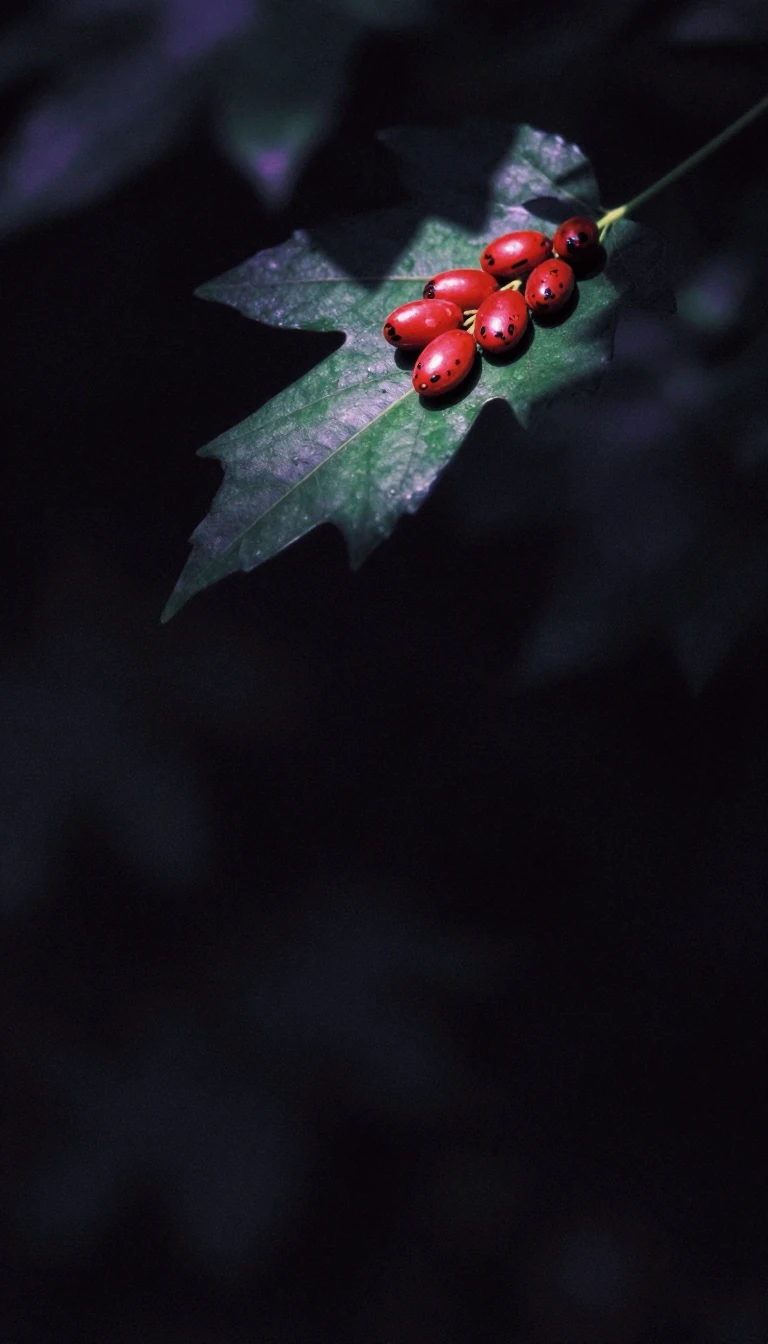
In short: From the longbows that decided the Battle of Agincourt to the modern chemotherapy drugs derived from its foliage, the yew is a paradox. It is a highly toxic, long-lived conifer that has shaped human history, provided shelter in churchyards, and sparked intense debates over its complex, evolving botanical classification.
The yew genus, Taxus, comprises slow-growing, evergreen trees and shrubs found across the northern hemisphere. These plants are remarkably resilient, with some specimens, like the Fortingall Yew, estimated to be over 2,000 years old. Botanists have long struggled to classify them; while some researchers argue all yews belong to a single species, others identify up to 25 distinct species based on subtle physical differences. Molecular phylogenetics has only recently helped clarify the status of complex Asian populations.
Beyond its longevity, the yew is defined by its potent chemistry. Every part of the tree, except for the fleshy, red aril surrounding the seed, contains taxine alkaloids that are deadly to humans and many grazing animals. Despite this, the tree has served humanity for millennia. Scythian warriors and medieval English archers relied on the wood's natural springiness to craft powerful bows. The tree's presence in churchyards—often the only enclosed village spaces—likely stems from a practical need to keep livestock away from the poisonous foliage.
In the 20th century, the yew became a medical frontier. Scientists discovered that paclitaxel, a compound found in the Pacific yew, could treat breast and lung cancer. Early extraction methods required stripping the bark, which killed the trees and threatened them with extinction. Fortunately, researchers developed techniques to synthesize the drug using leaves from cultivated European yews, ensuring a sustainable supply. Today, the yew remains a staple of ornamental gardening, though gardeners must navigate its toxicity and the extreme allergenicity of its pollen, which can trigger severe reactions even through window screens.
Opens the Intellect+ feed with this card first. Swipe up for the next one.
Sources
- Summary by Intellect · source: Taxus
- Also: GBIF — East Himalayan Yew (Taxus wallichiana) · http://creativecommons.org/licenses/by/4.0/legalcode
- Also: www.rhs.org.uk — Yew (Taxus) / RHS Plant Guide
- Also: GBIF — Canada Yew (Taxus baccata) · http://creativecommons.org/licenses/by/4.0/legalcode
To cite this card, link to https://intellectplus.co.uk/app/gardening-taxus.
How we source, check and correct cards: Editorial standards.
General information, not professional advice. Spotted an error? Flag the card or see corrections and complaints.
Intellect Plus is a visual educational discovery platform for exploring fascinating facts and ideas. Brain Food, Not Brain Rot. What is Intellect Plus?
Related
More in Plants · More in Gardening · Latest · A–Z · All topics
