The Pacific yew is a slow-growing, rot-resistant conifer that once fueled a cancer breakthrough.
In short: Native to the Pacific Northwest, the Pacific yew is a resilient, shade-tolerant tree known for its toxic foliage and rot-resistant wood. While historically prized by Native Americans for crafting bows and tools, it gained modern fame as the original source of the chemotherapy drug paclitaxel, changing cancer treatment forever.
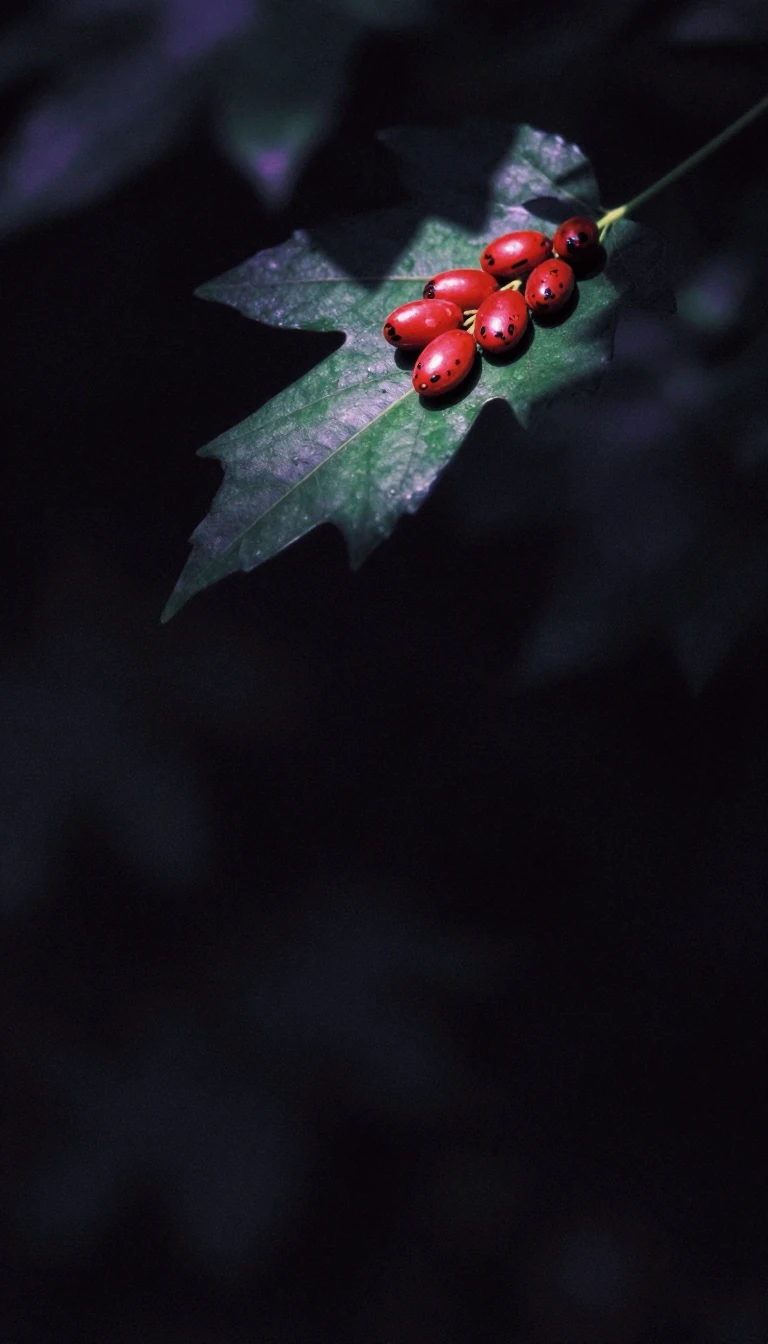
The Pacific yew, or Taxus brevifolia, is a small, slow-growing conifer that thrives in the moisture of the Pacific Northwest. It often grows as a shrub, sometimes rotting from the inside to create hollow forms that make determining its true age nearly impossible. Its leaves are dark green and arranged in flat rows, while its seeds are encased in a bright red, berry-like structure called an aril. While the aril itself is edible and sweet, the rest of the tree—including the bark, leaves, and seeds—is highly poisonous, capable of causing fatal cardiac arrhythmia if ingested.
The tree's history is deeply intertwined with human utility. Native American tribes, such as the Pit River and Concow, utilized the wood's strength and resistance to decay to craft essential items ranging from bows and harpoons to snowshoes and drums. In the 1990s, the species gained international attention when it was identified as a source for paclitaxel, a potent chemotherapy drug. Because the tree was already scarce, large-scale harvesting was avoided. By 2003, the medical community shifted to a semi-synthetic production method using extracts from other cultivated yew species, sparing the Pacific yew from over-exploitation.
Botanists have identified distinct varieties of the species, such as the thicket yew (var. reptaneta) and the worm cone yew (var. polychaeta). The thicket yew is characterized by its creeping, rooting stems, while the worm cone yew is named for its unique shoot structure that resembles a polychaete worm. Despite these morphological differences, some researchers argue these varieties may simply be geographical adaptations rather than distinct genetic lineages. Whether viewed as a single species or a collection of specialized variants, the Pacific yew remains a vital, if elusive, component of the forest understory, providing shade for streams and food for birds and moose.
Opens the Intellect+ feed with this card first. Swipe up for the next one.
Sources
- Summary by Intellect · source: Taxus brevifolia
To cite this card, link to https://intellectplus.co.uk/app/gardening-taxus-brevifolia.
How we source, check and correct cards: Editorial standards.
General information, not professional advice. Spotted an error? Flag the card or see corrections and complaints.
Intellect Plus is a visual educational discovery platform for exploring fascinating facts and ideas. Brain Food, Not Brain Rot. What is Intellect Plus?
Related
More in Plants · More in Gardening · Latest · A–Z · All topics
