Some people cannot recognise faces, even their own, though they see facial features normally
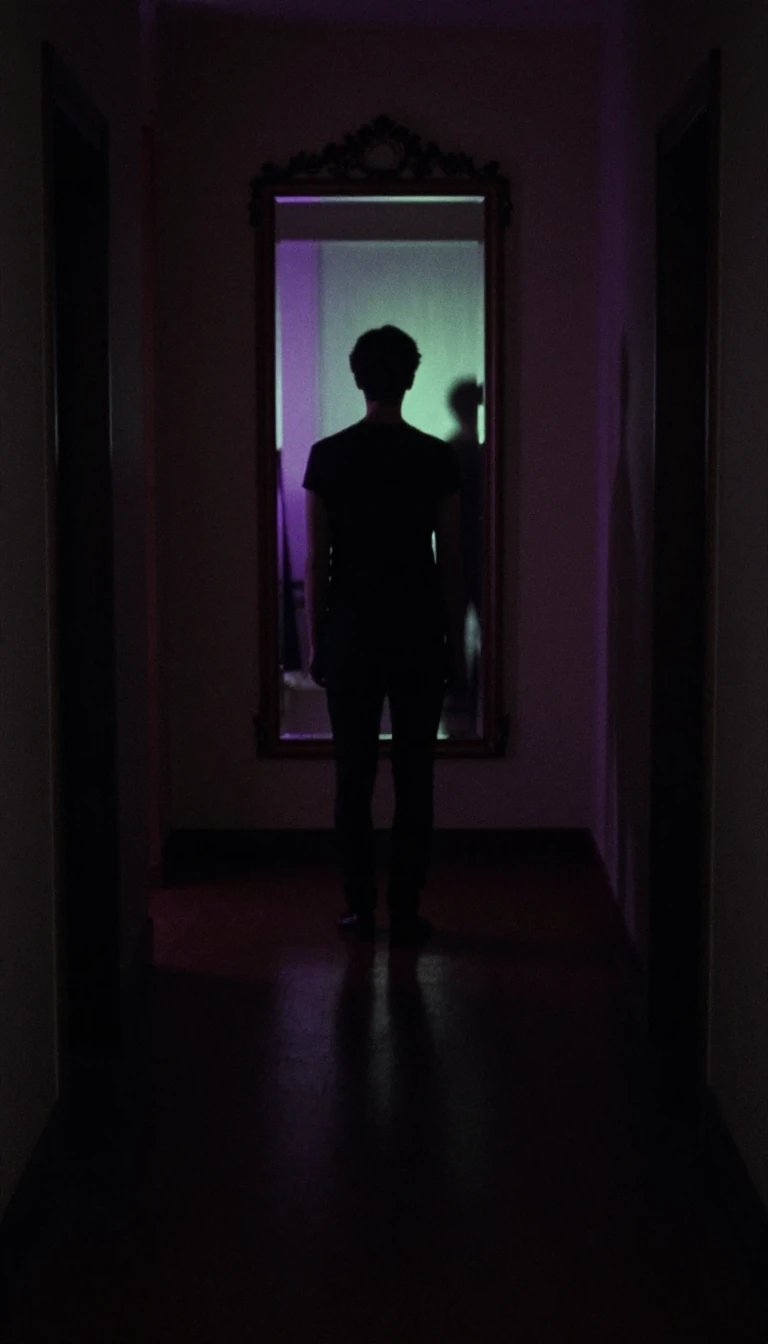
In short: Prosopagnosia, or face blindness, leaves a person unable to reliably recognise faces. They still see each feature clearly, yet faces can seem alike. Many people with the lifelong form adapt so well that they never realise they have it.
Prosopagnosia is a disorder of face perception. People with it struggle to recognise familiar faces, and in some cases even their own. Other visual skills, such as telling apart everyday objects, and general reasoning usually stay intact. The term first described problems after acute brain damage, but a congenital, or developmental, form also exists, with an estimated prevalence of 2 to 2.5 per cent.
The brain area usually linked to the condition is the fusiform gyrus, which responds specifically to faces. In most people this region lets them recognise faces in far more detail than similar complex objects. In people with prosopagnosia, recognition falls back on a less sensitive object-recognition system. In congenital cases this area is thought to be underdeveloped, probably because of a genetic predisposition, and the condition tends to last a lifetime.
Acquired prosopagnosia follows damage to the occipital-temporal lobes and is most often seen in adults. It has two subtypes. Apperceptive prosopagnosia affects the earliest stages of face perception, so people struggle even to judge whether two faces match. Associative prosopagnosia spares basic perception but breaks the link to stored knowledge about a person, so someone may see a face clearly yet be unable to say who it is. Degenerative forms can accompany diseases such as Parkinson's or Alzheimer's.
No widely accepted treatment exists, and no therapy has shown lasting improvement across a group of people with the condition. Instead, people usually learn piecemeal strategies, relying on clothing, gait, hair colour, body shape or voice. Because the face normally anchors memory of a person, keeping track of people and socialising can be hard, and others may mistake the difficulty for indifference. Masking it can be draining and may lead to social anxiety or depression.
Opens the Intellect+ feed with this card first. Swipe up for the next one.
Sources
- Summary by Intellect · source: Face Blindness (Prosopagnosia)
- Also: Prosopagnosia (face blindness)
- Also: Prosopagnosia
To cite this card, link to https://intellectplus.co.uk/app/health-prosopagnosia.
How we source, check and correct cards: Editorial standards.
General information, not professional advice. Spotted an error? Flag the card or see corrections and complaints.
Intellect Plus is a visual educational discovery platform for exploring fascinating facts and ideas. Brain Food, Not Brain Rot. What is Intellect Plus?
Related
More in Brain · More in Health · Latest · A–Z · All topics
