Photography was not invented by one person but emerged from centuries of optical experimentation.
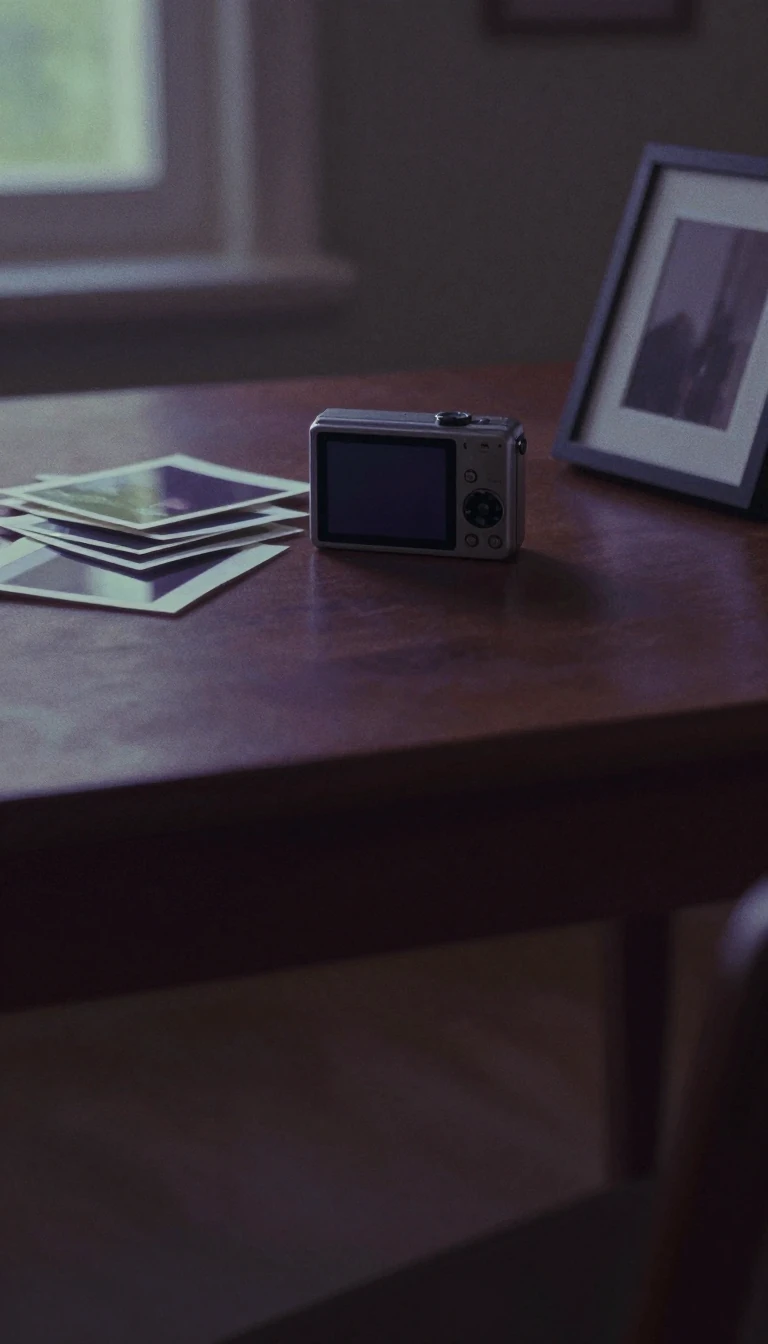
In short: Before the first permanent photograph, humanity spent centuries perfecting the camera obscura and studying light-sensitive chemicals. From Aristotle to 19th-century chemists, the path to capturing reality was a slow, collaborative evolution. It took decades of failed attempts at fixing images before the world finally saw the first daguerreotype in 1839.
The roots of photography lie in the camera obscura, a phenomenon where light passing through a small aperture projects a reversed image onto a surface. While this principle may have been utilized in prehistoric times, the first written records appear in the 4th century BCE, credited to Aristotle in Greece and Mozi in China. By the 16th century, technical refinements like biconvex lenses and diaphragms, described by Gerolamo Cardano and Daniel Barbaro, transformed the device into a sharp tool for artists and astronomers.
Capturing these images permanently required a separate chemical breakthrough. Early experimenters like Johann Heinrich Schulze in 1717 and Thomas Wedgwood around 1800 successfully created fleeting photograms but failed to fix them, meaning their images vanished upon further light exposure. Even the chemist Carl Wilhelm Scheele discovered in 1777 that ammonia could stabilize silver chloride, yet this crucial insight remained largely ignored by those racing to invent a practical photographic process.
The breakthrough finally arrived with Nicéphore Niépce, who in 1826 or 1827 fixed an image using bitumen on a pewter plate, though it required an exposure lasting several days. His partner, Louis Daguerre, later revolutionized the field by discovering that mercury fumes could develop a latent image, drastically reducing exposure times. When the daguerreotype was formally demonstrated in Paris on August 19, 1839, it marked the beginning of the commercial era. Simultaneously, Henry Fox Talbot was developing the paper-based calotype, and polymath John Herschel provided the vital 'hypo' fixer that stabilized these early prints.
The term 'photography' itself, meaning 'drawing of light,' was coined by Herschel in 1839. From these metal-based plates and paper negatives, the medium evolved through the collodion process in the 1850s to the democratization of film and, eventually, the digital revolution of the 1990s. What began as a scientific curiosity for capturing optics became an ordinary, global fixture of daily life once cameras were integrated into smartphones.
Opens the Intellect+ feed with this card first. Swipe up for the next one.
Sources
- Summary by Intellect · source: History of photography
To cite this card, link to https://intellectplus.co.uk/app/history-history-of-photography.
How we source, check and correct cards: Editorial standards.
General information, not professional advice. Spotted an error? Flag the card or see corrections and complaints.
Intellect Plus is a visual educational discovery platform for exploring fascinating facts and ideas. Brain Food, Not Brain Rot. What is Intellect Plus?
Related
More in History by topic · More in History · Latest · A–Z · All topics
