The 1883 eruption of Krakatoa remains the loudest sound ever recorded in modern history.
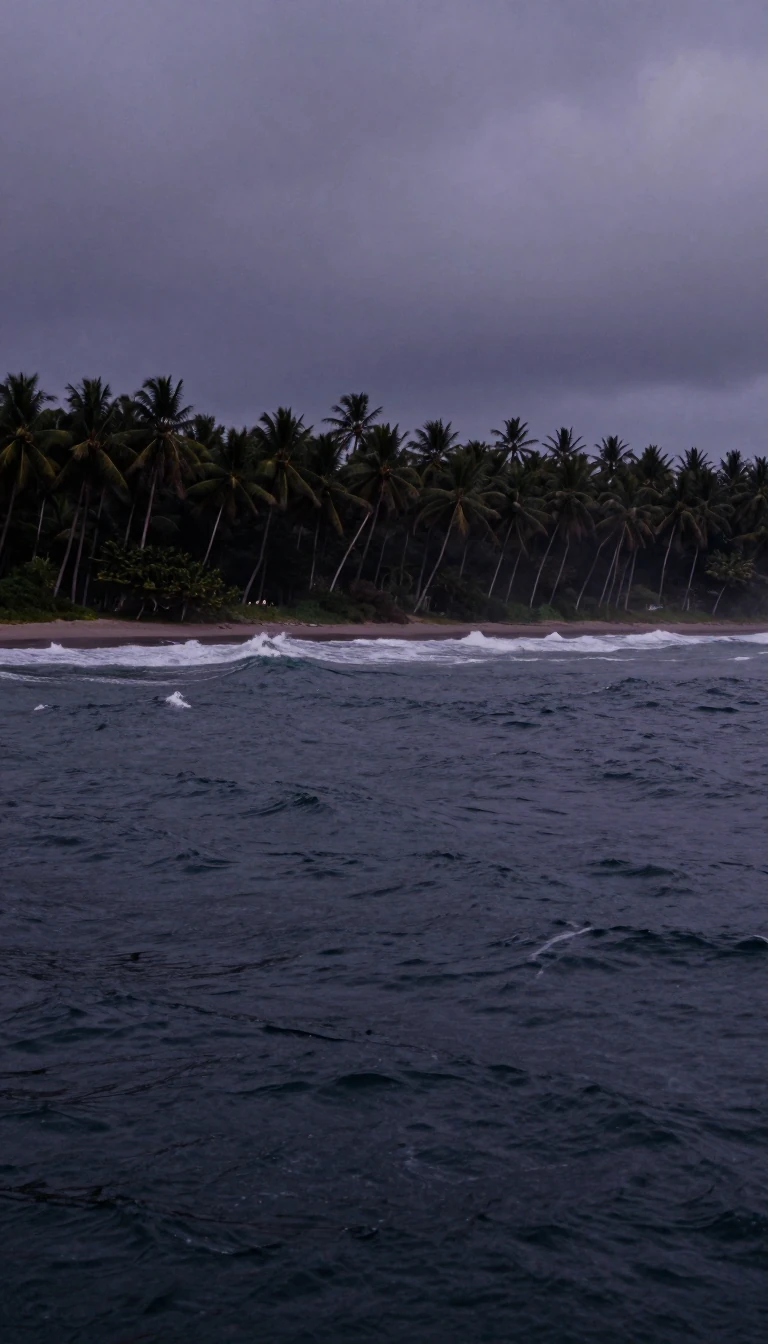
In short: When Krakatoa erupted in 1883, it unleashed a cataclysmic series of explosions that collapsed the island into the sea. The final blast was so powerful that it was heard thousands of miles away, while the resulting tsunamis and ash clouds fundamentally altered the global climate and coastal geography for years.
The eruption began in May 1883, when the captain of a German warship observed ash clouds rising from the previously quiet Indonesian island. By August, the activity escalated into a climactic phase. On August 26, the volcano entered a period of intense, continuous explosions, sending ash 80 kilometers into the atmosphere and plunging the surrounding region into darkness for two and a half days. The event culminated on August 27 with a series of massive blasts, the third of which is widely cited as the loudest sound in modern history, audible as far away as Australia and Mauritius.
As the island collapsed into its magma chamber, it generated immense tsunamis that devastated hundreds of coastal towns across Java and Sumatra. These waves, which reached heights estimated at up to 41 meters, were responsible for the vast majority of the approximately 36,000 deaths attributed to the disaster. The eruption also produced high-density pyroclastic flows—a lethal mix of hot ash, pumice, and lava blocks—that traveled at speeds exceeding 80 kilometers per hour, obliterating everything in their path.
The environmental impact was global. Ash particles acted as a solar radiation filter, lowering worldwide temperatures by about 0.5°C. This cooling effect persisted until 1888, five years after the initial event. Beyond the immediate destruction, the eruption provided a unique case study for scientists, marking the first time a volcanic event was so thoroughly documented. Today, the site is home to Anak Krakatau, or the 'child of Krakatau,' a new volcanic cone that emerged in the 1920s within the caldera left behind by the 1883 collapse.
While the 1883 event is a historical benchmark, it also highlights the mechanics of volcanic tsunamis. As noted in geological studies, tsunamis generated by volcanic activity can propagate across vast ocean distances, often remaining unnoticed in deep water until they reach shallow coastal shelves. There, friction with the seafloor causes the waves to slow down and increase in height, leading to the catastrophic run-ups that define these events.
Opens the Intellect+ feed with this card first. Swipe up for the next one.
Sources
- Summary by Intellect · source: Krakatoa | Volcano, Geology, Eruptions, & Anak Krakatau | Britannica
- Also: On This Day: Historic Krakatau Eruption of 1883
- Also: 1883 eruption of Krakatoa
To cite this card, link to https://intellectplus.co.uk/app/history-1883-eruption-of-krakatoa.
How we source, check and correct cards: Editorial standards.
General information, not professional advice. Spotted an error? Flag the card or see corrections and complaints.
Intellect Plus is a visual educational discovery platform for exploring fascinating facts and ideas. Brain Food, Not Brain Rot. What is Intellect Plus?
Related
More in Modern (1800-1945) · More in History · Latest · A–Z · All topics
