A daring military kidnapping forced Chiang Kai-shek to unite China against Japanese expansionism.
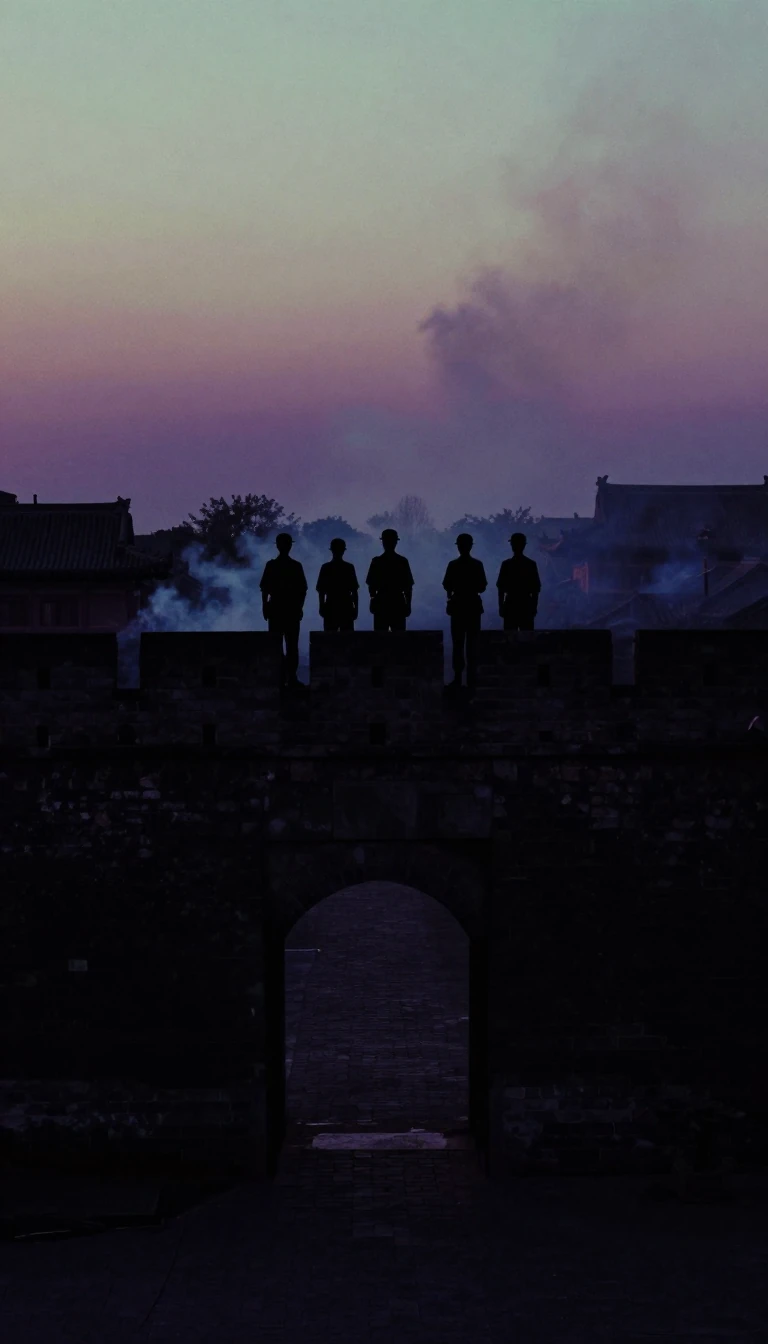
In short: In December 1936, two generals seized Chiang Kai-shek at a hot springs resort to force an end to the Chinese Civil War. This desperate act, known as the Xi'an Incident, compelled the Nationalist leader to form a united front with the Communists against the looming threat of Japanese invasion.
By 1936, China was fractured. Chiang Kai-shek prioritized internal pacification, famously declaring the Communists a disease of the heart while viewing Japan as a mere skin disease. However, his subordinates, Zhang Xueliang and Yang Hucheng, were frustrated by the policy of nonresistance against Japanese expansion. After months of secret negotiations and failed attempts to persuade Chiang to pivot, the generals staged a 'military remonstrance'—a traditional Chinese tactic of arresting a leader to force a change in policy.
On 12 December 1936, troops stormed the Huaqing Pool complex near Xi'an. Chiang, caught off guard, fled into the mountains, where he was found shivering and injured before being brought to Xi'an. The coup threw the Nationalist government into chaos. While some officials pushed for an immediate military assault on the city, others favored negotiation. The situation was further complicated by the Soviet Union, which feared the mutiny was a Japanese plot and ordered a peaceful resolution to ensure China remained a unified bulwark against fascist aggression.
The crisis concluded on 25 December when Chiang was released after agreeing to a ceasefire. The resulting Second United Front fundamentally altered the trajectory of the war against Japan. Yet, the incident left a complex legacy. Chiang immediately arrested Zhang Xueliang upon their return to Nanjing, keeping him under house arrest for over five decades. While the CCP celebrated the event as a triumph of national resistance, the KMT viewed it as a betrayal that prevented the total destruction of the Communist movement, highlighting the deep-seated partisan divisions that persisted long after the war.
Opens the Intellect+ feed with this card first. Swipe up for the next one.
Sources
- Summary by Intellect · source: Xi'an Incident
To cite this card, link to https://intellectplus.co.uk/app/history-xi-an-incident.
How we source, check and correct cards: Editorial standards.
General information, not professional advice. Spotted an error? Flag the card or see corrections and complaints.
Intellect Plus is a visual educational discovery platform for exploring fascinating facts and ideas. Brain Food, Not Brain Rot. What is Intellect Plus?
Related
More in Modern (1800-1945) · More in History · Latest · A–Z · All topics
