The grueling history of baseball's doubleheaders and the logic of the 'split'
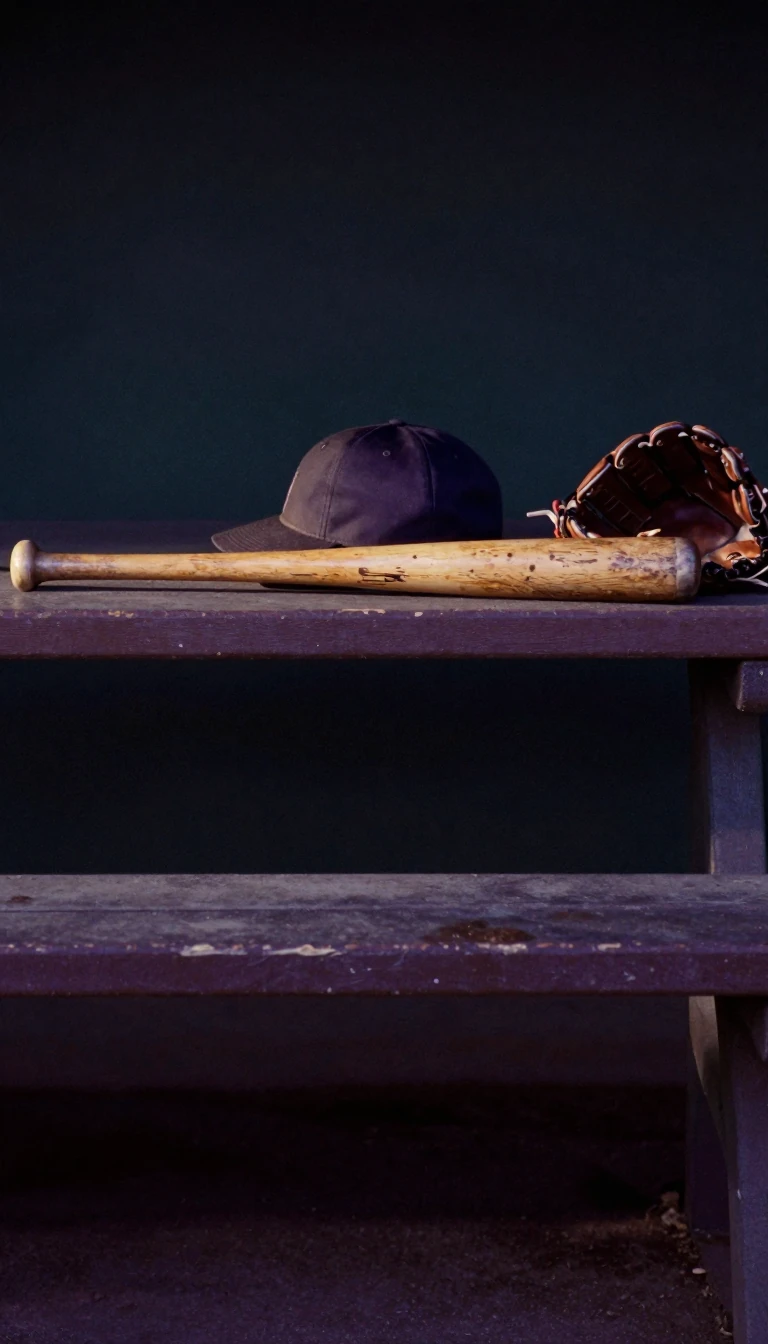
In short: In the early 20th century, baseball teams routinely played two games in a single day. Today, these grueling marathons are rare relics, often replaced by 'split' doubleheaders where teams play in different venues or time slots. The shift reflects a move from necessity to a complex dance of revenue and player health.
Historically, doubleheaders were a staple of the sport, often played in immediate succession before the same crowd. During the concluding month of their 1928 campaign, the Boston Braves played 18 games across 12 days, featuring nine back-to-back doubleheaders. By 1943, the Chicago White Sox held the record for the most doubleheaders played by a single team in one season, reaching 44. These 'classic' day doubleheaders were frequently a matter of necessity before stadium lights were common; if a game went into extra innings, it was often called simply because it grew dark. The modern era has seen a sharp decline in these traditional formats. By 1979, only 10% of games in at least one league were played as classic doubleheaders, down from a quarter of all games in 1959. This decline was driven by several factors: the desire of clubs to maximize revenue, the longer duration of modern games, the shift to a five-day pitching rotation, and a lack of consensus among players regarding the physical toll. Today, most doubleheaders are 'split' or 'day-night' events, often resulting from rainouts. In these scenarios, teams might play one game in the afternoon and another at night, often requiring separate admissions and tickets. Unique logistical anomalies still occur. The 'home-and-home' doubleheader, where teams host each other in close proximity, is extremely rare; only one instance occurred in the 20th century before 1997 (New York Giants vs. Brooklyn Superbas). Additionally, teams can occasionally host two different opponents in one day, as seen in 1951 when the St. Louis Cardinals hosted both the Giants and the Braves. While tripleheaders are now prohibited by the Collective Bargaining Agreement, they occurred three times in history, including a notable 1920 game between the Pirates and Reds that ended in darkness.
theme-keyw-history mood-reflective difficulty-2 topics-["baseball", "sports-history", "logistics"]
A total of 18 games were completed by the 1928 Boston Braves in a 12-day span, consisting of nine successive doubleheaders in the season's final month. Reds tripleheader was shortened by darkness"] canvas-type-timeline
canvas-timeline-["date: 1890, label: Brooklyn Bridegrooms and Pittsburgh Innocents play a tripleheader on September 1", "date: 1896, label: Baltimore Orioles and Louisville Colonels play a tripleheader on September 7", "date: 1920, label: Pittsburgh Pirates and Cincinnati Reds play a tripleheader on October 2", "date: 1951, label: St.
Opens the Intellect+ feed with this card first. Swipe up for the next one.
Sources
- Summary by Intellect · source: Doubleheader (baseball)
To cite this card, link to https://intellectplus.co.uk/app/history-doubleheader-baseball.
How we source, check and correct cards: Editorial standards.
General information, not professional advice. Spotted an error? Flag the card or see corrections and complaints.
Intellect Plus is a visual educational discovery platform for exploring fascinating facts and ideas. Brain Food, Not Brain Rot. What is Intellect Plus?
Related
More in Modern (1800-1945) · More in History · Latest · A–Z · All topics
