Why did it take until the 19th century to accept that species go extinct?
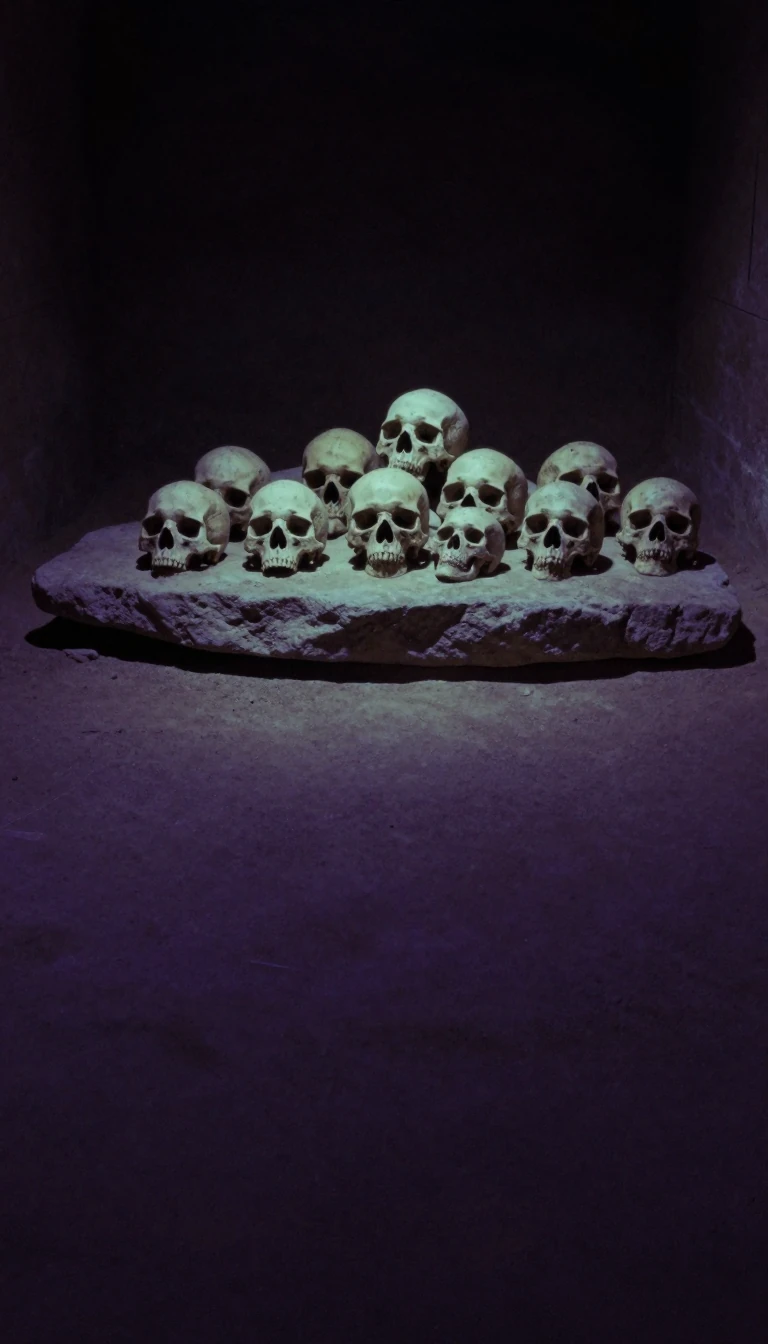
In short: For centuries, naturalists debated whether fossils were organic remains or mere stones grown by the earth. It was only through the rigorous application of comparative anatomy by Georges Cuvier that extinction moved from a theological impossibility to a scientific fact, ultimately birthing the discipline we now call paleontology.
In the 16th century, European naturalists like Conrad Gesner and Georg Agricola classified fossils as stone-like objects, often ignoring their biological origins. Prevailing Aristotelian and Neoplatonic philosophies suggested that fossils were either seeds of organisms that grew within the earth or non-living objects that simply resembled life. Even as late as the 17th century, thinkers like Robert Hooke and Nicholas Steno began to correctly identify fossils as organic remains, yet they struggled to reconcile this with the prevailing belief that the world was only a few thousand years old.
The turning point arrived with Georges Cuvier at the end of the 18th century. By comparing the skeletal structures of living Indian and African elephants to fossilized mammoths and mastodons, Cuvier proved that these ancient creatures were distinct species that no longer existed. His work on the Megatherium, a giant sloth, further cemented the reality of extinction. This shift was not merely academic; it required a new way of seeing the earth's history. Cuvier’s comparative anatomy allowed him to reconstruct entire animals from fragmented bones, a methodology that transformed fossils from curiosities into historical records.
The formalization of the field followed quickly. In 1822, Henri Marie Ducrotay de Blainville coined the term 'paleontology' to describe the study of ancient life. This era also saw the rise of stratigraphy, pioneered by William Smith, who used fossil succession to map rock layers. While figures like Cuvier and Smith gained fame, others—such as Mary Anning, who discovered the first recognized ichthyosaur and plesiosaur skeletons—often had their contributions credited to the wealthy men who purchased their finds. These collective efforts eventually revealed a complex, successive order to life, setting the stage for Darwin’s evolutionary theories.
Opens the Intellect+ feed with this card first. Swipe up for the next one.
Sources
- Summary by Intellect · source: History of paleontology
To cite this card, link to https://intellectplus.co.uk/app/history-history-of-paleontology.
How we source, check and correct cards: Editorial standards.
General information, not professional advice. Spotted an error? Flag the card or see corrections and complaints.
Intellect Plus is a visual educational discovery platform for exploring fascinating facts and ideas. Brain Food, Not Brain Rot. What is Intellect Plus?
Related
More in History by topic · More in History · Latest · A–Z · All topics
