How the study of disease evolved from ancient anatomy to the cellular frontier
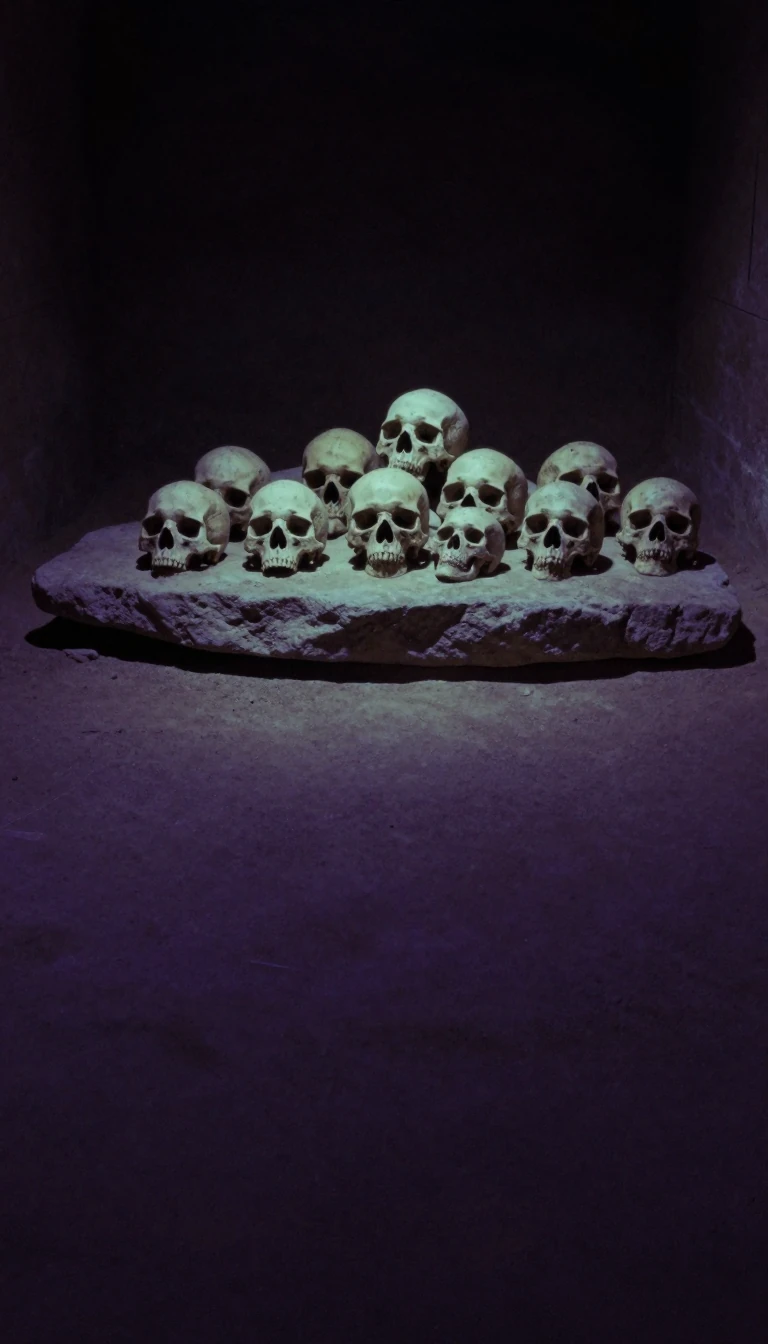
In short: For centuries, medicine relied on theory rather than evidence. The shift toward modern pathology began when physicians stopped guessing and started looking inside the body. From the first postmortem dissections in the Middle Ages to the microscopic breakthroughs of the nineteenth century, this is the story of medical truth.
The roots of pathology lie in the application of the scientific method to medicine, a shift that gained momentum during the Islamic Golden Age and the Italian Renaissance. While Ancient Greek physicians like Herophilus and Erasistratus conducted systematic dissections as early as the third century BC, the practice of performing true autopsies to understand disease remained rare until the second millennium. The Arabian physician Avenzoar, living between 1091 and 1161, is recognized as the first physician to perform postmortem dissections, notably proving that the parasite scabies caused skin disease. Shortly after, in 1242, Ibn al-Nafis utilized dissection to uncover the mechanics of pulmonary circulation.
By the 15th century, Antonio Benivieni began using anatomic dissection to determine causes of death, effectively introducing the necropsy to medical practice. However, it was Giovanni Morgagni who truly transformed the field in 1761 with his seminal work, De Sedibus et Causis Morborum per Anatomem Indagatis. By methodically correlating the findings of over 600 autopsies with the clinical symptoms patients experienced before death, Morgagni established the foundation for gross pathology. This approach allowed physicians to link specific anatomical changes to the illnesses they observed in living patients.
The nineteenth century brought a radical shift toward the microscopic. Rudolf Virchow, active from 1821 to 1902, is widely considered the father of microscopic pathology for his insistence on studying disease at the cellular level. His student, Julius Cohnheim, further advanced the field by combining histology with experimental techniques to study inflammation and pioneering the frozen section procedure—a method still vital for intraoperative diagnosis today. Today, the boundaries of pathology continue to expand through molecular biology and electron microscopy, turning the field into a sophisticated investigation of disease processes at the most fundamental levels of human biology.
Opens the Intellect+ feed with this card first. Swipe up for the next one.
Sources
- Summary by Intellect · source: History of pathology
To cite this card, link to https://intellectplus.co.uk/app/history-history-of-pathology.
How we source, check and correct cards: Editorial standards.
General information, not professional advice. Spotted an error? Flag the card or see corrections and complaints.
Intellect Plus is a visual educational discovery platform for exploring fascinating facts and ideas. Brain Food, Not Brain Rot. What is Intellect Plus?
Related
More in History by topic · More in History · Latest · A–Z · All topics
