How Thessaloniki preserved its Byzantine soul through centuries of imperial change and conquest
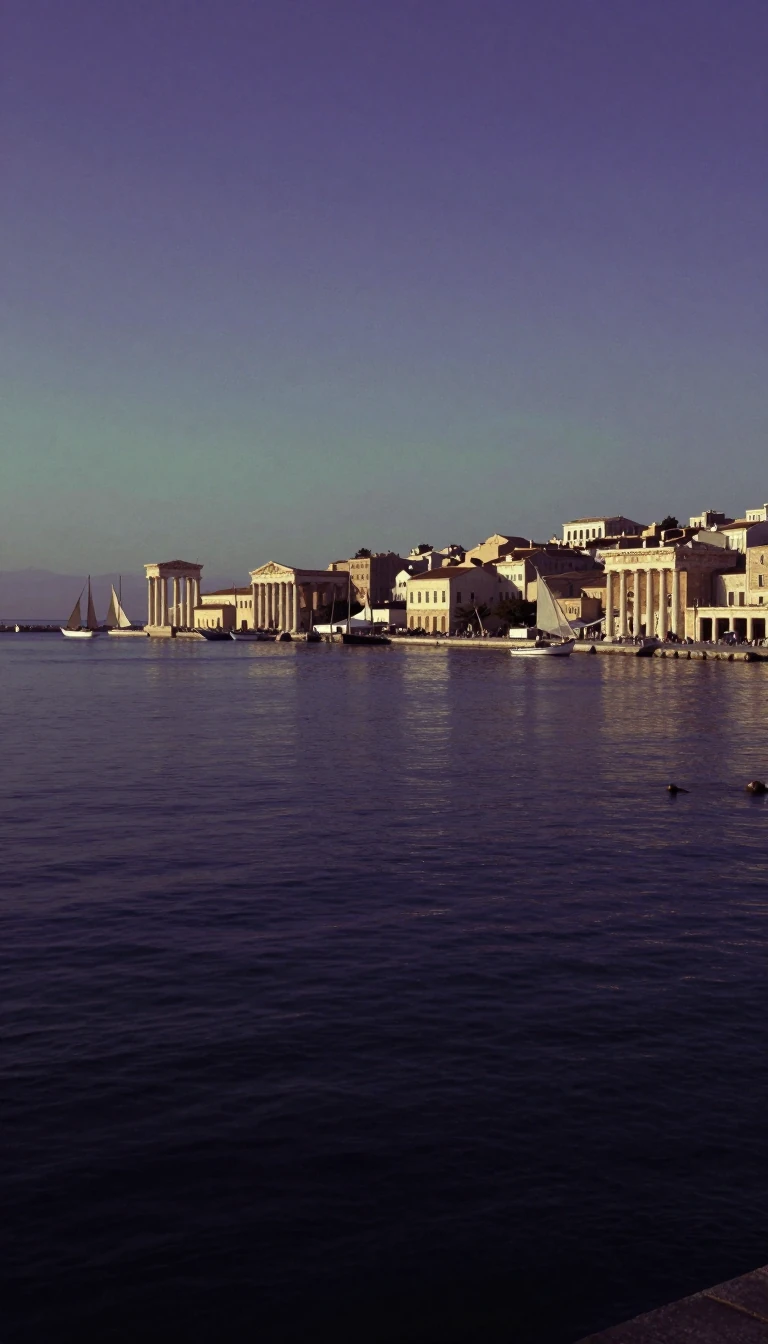
In short: As the second most vital city of the Byzantine Empire, Thessaloniki became a crucible for early Christian art and architecture. Even after the Ottoman conquest in 1430, these structures remained standing, serving as enduring testaments to the city's prosperity and its profound influence on the wider Byzantine world and beyond.
Thessaloniki occupies a unique position in the history of the Byzantine Empire. For centuries, it served as a primary urban center, second only to the capital in its political and cultural significance. This status allowed the city to flourish, fostering an environment where architectural innovation could thrive. The monuments constructed during the early Christian and Byzantine eras were not merely local landmarks; they acted as prototypes that shaped the development of art and architecture across the entire Byzantine Empire and into regions like Serbia.
The survival of these sites is particularly remarkable given the city's complex history. When the Ottoman Empire captured Thessaloniki in 1430, the Christian monuments were notably spared from destruction. This preservation allowed the city's architectural heritage to remain intact, providing a tangible link to its past. Historical accounts from travelers such as Paul Lucas and observations by figures like Abdulmejid I confirm that the city retained a wealth of Christian monuments throughout the period of Ottoman control, highlighting a rare continuity of cultural identity.
In recognition of this exceptional legacy, UNESCO designated fifteen of these structures as World Heritage Sites in 1988. This collection includes diverse examples of religious architecture, such as the 11th-century Church of Panagia Chalkeon and the 14th-century Church of the Holy Apostles and Church of St. Nicholas Orphanos. These sites are not just static relics; they represent the evolution of Imperial Byzantine architecture, reflecting the prosperity and artistic sophistication that defined the city during its peak years. By studying these monuments, historians gain insight into how Thessaloniki functioned as a bridge between the early Christian world and the later Byzantine era, cementing its role as a pivotal site for understanding the artistic trajectory of the Mediterranean.
Opens the Intellect+ feed with this card first. Swipe up for the next one.
Sources
- Summary by Intellect · source: Paleochristian and Byzantine monuments of Thessaloniki
To cite this card, link to https://intellectplus.co.uk/app/places-paleochristian-and-byzantine-monuments-of-thessaloniki.
How we source, check and correct cards: Editorial standards.
General information, not professional advice. Spotted an error? Flag the card or see corrections and complaints.
Intellect Plus is a visual educational discovery platform for exploring fascinating facts and ideas. Brain Food, Not Brain Rot. What is Intellect Plus?
Related
More in World Heritage Sites · More in Countries & Cities · Latest · A–Z · All topics
