India's oldest mountain range is a crumbling relic of a lost continental collision
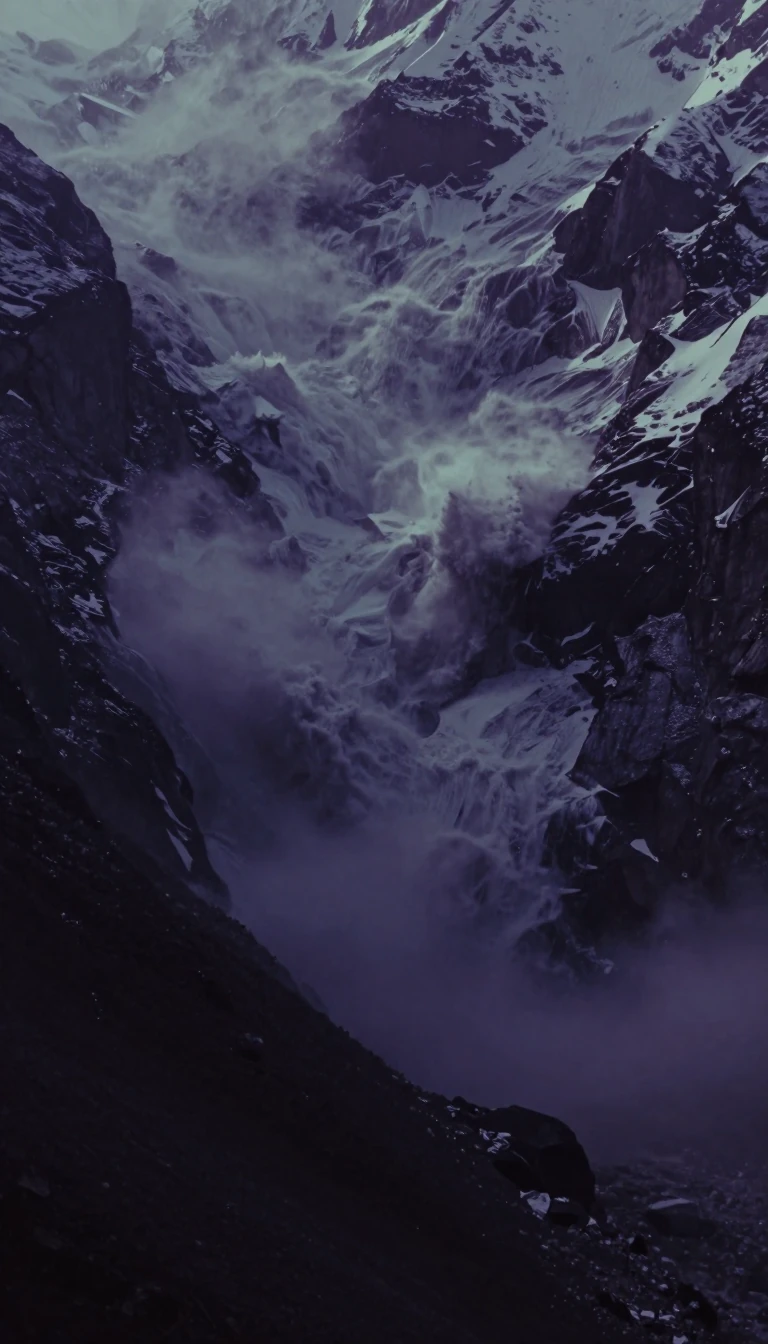
In short: The Aravalli Range is not just a scenic backdrop; it is a geological ghost. Once towering peaks, these mountains have been weathered down over millions of years into an eroded stub. Today, they stand as a stable, ancient foundation that reveals the violent, tectonic history of the early Indian continent.
Stretching approximately 670 kilometers from Delhi to Gujarat, the Aravalli Range represents the oldest fold-mountain belt in India. Unlike the Himalayas, which are young and still rising, the Aravallis have ceased their upward growth due to the end of tectonic thrusting. They formed during the Paleoproterozoic era through the Aravalli-Delhi Orogen, a massive deformation event where continental plates crumpled and pushed upward. This range effectively acts as a suture, joining the Marwar and Bundelkand segments of the greater Indian craton.
The range is composed of two primary sequences: the Aravalli and Delhi Supergroups, which rest upon an ancient Archean basement known as the Bhilwara Gneissic Complex. This basement, formed roughly 4 billion years ago, served as a rigid indentor that dictated the wedge-shaped geometry of the entire orogenic belt. Geological evidence suggests the region passed through a Wilson supercontinental cycle, involving rifting, the formation of basins, and the eventual accretion of an island arc around 1.5 billion years ago.
Beyond its geological significance, the Aravallis have been a vital resource for human civilization for millennia. The range is rich in base metal sulfides, including lead, zinc, and copper. Archaeological evidence indicates that mining in the region dates back to at least 4000 BCE during the Sothi-Siswal period. By the third millennium BCE, the Ganeshwar Sunari Cultural Complex—a network of nearly 400 settlements—flourished here, becoming the most significant copper-producing society in South Asia at the time.
Modern management of the range remains complex. In late 2025, the Supreme Court of India attempted to define the Aravalli Hills by height, sparking widespread protests. This led to the formation of a five-member expert committee, led by Kanchan Devi of the Indian Council of Forestry Research and Education, tasked with clarifying the definition of these protected landscapes by August 2026.
Opens the Intellect+ feed with this card first. Swipe up for the next one.
Sources
- Summary by Intellect · source: Aravalli Range
To cite this card, link to https://intellectplus.co.uk/app/nature-aravalli-range.
How we source, check and correct cards: Editorial standards.
General information, not professional advice. Spotted an error? Flag the card or see corrections and complaints.
Intellect Plus is a visual educational discovery platform for exploring fascinating facts and ideas. Brain Food, Not Brain Rot. What is Intellect Plus?
Related
More in Physical geography · More in Nature · Latest · A–Z · All topics
