The ghost shrimp is not a shrimp, but a master of ocean floor architecture.
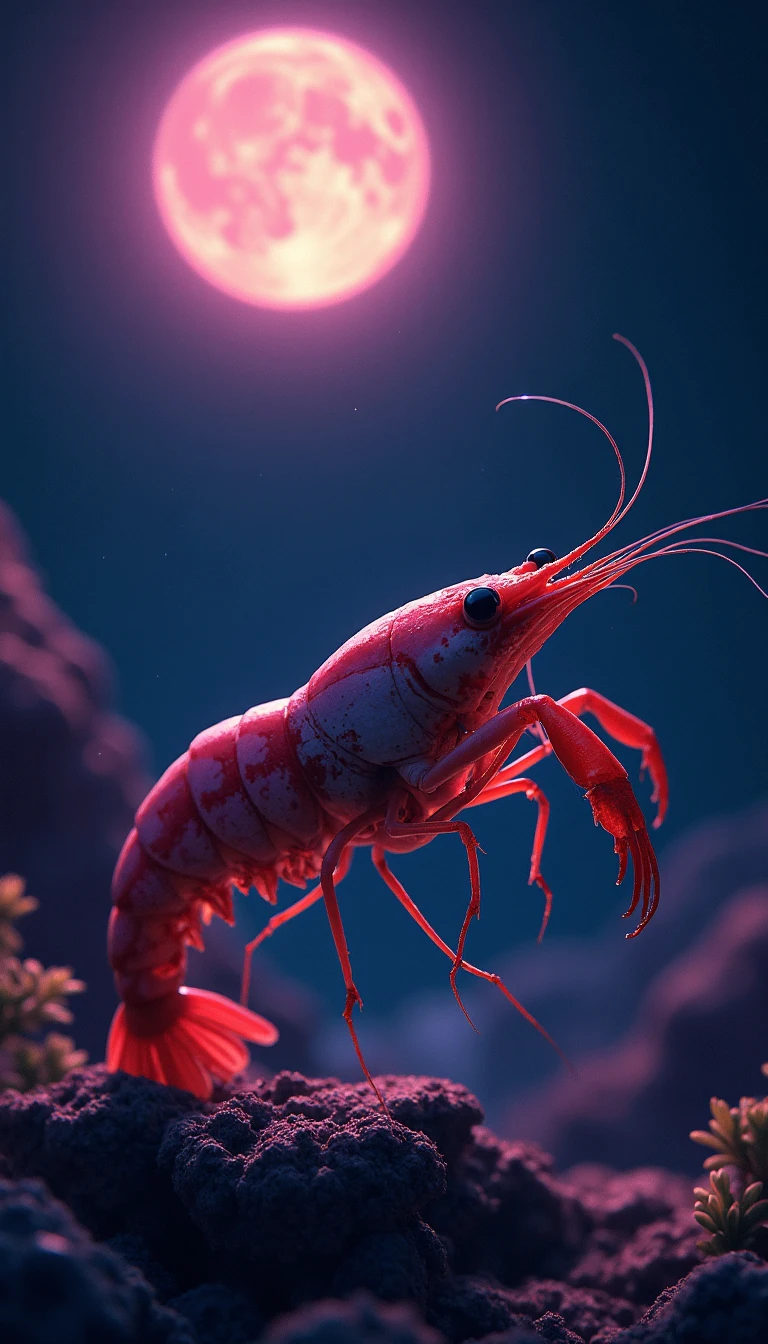
In short: Often called mud or ghost shrimp, the infraorder Axiidea consists of decapod crustaceans that are only distantly related to true shrimp. These burrowing experts are essential to marine ecosystems, engineering complex tunnels in ocean floor sediment that support diverse benthic communities and drive critical biogeochemical processes across the globe.
Axiidea belongs to the Reptantia group, placing them closer to crabs and lobsters than to the shrimp they resemble. While they were historically grouped with Gebiidea under the label 'thalassinidean,' molecular evidence since 2009 has confirmed these are two distinct lineages. This modern classification aligns with larval development patterns identified by Robert Gurney as early as 1938. Despite this scientific distinction, the term thalassinidean remains common in older research literature.
These crustaceans are defined by their sophisticated burrowing habits. Their tunnels range from simple Y or U shapes to intricate, branching networks. These structures are often dictated by the organism's feeding mode: detritophages, drift catchers, or suspension feeders. For instance, drift catchers create deep chambers filled with seagrass and debris, while suspension feeders maintain cleaner, U-shaped tunnels. Because these animals consume sediment and reject the remainder to form their homes, the architecture of the burrow serves as a reliable marker for identifying the species and its trophic group.
Axiidea are found in most oceans, favoring temperate to tropical waters. They rarely venture into the deep sea, with 95% of species preferring shallow intertidal or subtidal zones less than 200 meters deep. Their physical diversity is striking; adults range from 1.5 cm to over 35 cm in length, with exoskeletons varying from rigid to transparent. Their life cycles are equally variable, with larval stages lasting anywhere from a few days to six months, depending heavily on local water temperature and salinity. While typically solitary, some species live in pairs, and in many regions, they are harvested for use as fishing bait or human food.
Opens the Intellect+ feed with this card first. Swipe up for the next one.
Sources
- Summary by Intellect · source: Axiidea
To cite this card, link to https://intellectplus.co.uk/app/nature-axiidea.
How we source, check and correct cards: Editorial standards.
General information, not professional advice. Spotted an error? Flag the card or see corrections and complaints.
Intellect Plus is a visual educational discovery platform for exploring fascinating facts and ideas. Brain Food, Not Brain Rot. What is Intellect Plus?
Related
More in Arthropods · More in Nature · Latest · A–Z · All topics
