Why these tiny comma-shaped crustaceans are the ocean's most overlooked success story
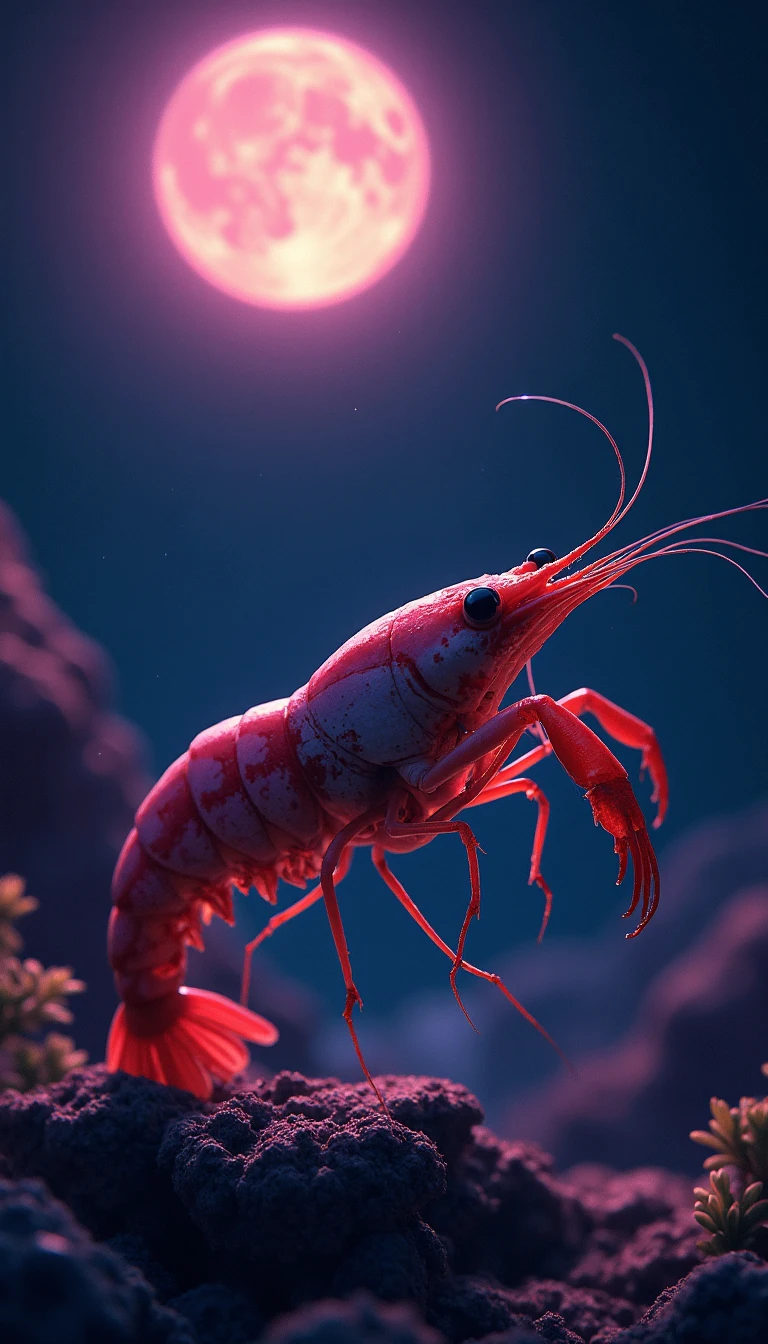
In short: Known as hooded or comma shrimp, cumaceans are small, sediment-dwelling crustaceans found on every continent. Despite their modest size, they play a vital role in marine food chains. Their unique body plan has remained remarkably stable for millions of years, offering a rare window into ancient evolutionary history.
Cumaceans are small marine crustaceans, typically measuring between 1 and 10 millimetres in length. Their distinctive appearance—a strongly enlarged cephalothorax covered by a carapace, followed by a slim abdomen and a forked tail—makes them easily identifiable. While they are primarily marine, some species have adapted to brackish water, and they can be found in environments ranging from the intertidal zone to the deep sea, where species diversity actually increases.
The order displays striking sexual dimorphism, with females generally being larger than males and possessing a marsupium for carrying embryos. Males, by contrast, feature more complex antennae and, in many shallow-water species, exhibit a diurnal cycle where they emerge from the sediment at night to swarm. Their feeding habits are equally varied; while most filter microorganisms from mud or browse sand grains, members of the genus Campylaspis have evolved piercing mandibles to hunt foraminiferans and other small crustaceans.
Though the fossil record is sparse, cumaceans have existed since at least the Mississippian age. A significant discovery in 2019, Eobodotria muisca, provided a rare look at a Middle Cretaceous specimen from Colombia with exceptional preservation, including eyes and mouthparts. This fossil helped bridge a 165-million-year gap in the record, confirming that modern cumaceans have changed very little from their ancient ancestors. Today, the order comprises over 1,500 described species across eight families, serving as a critical food source for many fish species worldwide.
Opens the Intellect+ feed with this card first. Swipe up for the next one.
Sources
- Summary by Intellect · source: Cumacea
To cite this card, link to https://intellectplus.co.uk/app/nature-cumacea.
How we source, check and correct cards: Editorial standards.
General information, not professional advice. Spotted an error? Flag the card or see corrections and complaints.
Intellect Plus is a visual educational discovery platform for exploring fascinating facts and ideas. Brain Food, Not Brain Rot. What is Intellect Plus?
Related
More in Arthropods · More in Nature · Latest · A–Z · All topics
