The Mexican redknee tarantula was hiding in plain sight for over a century
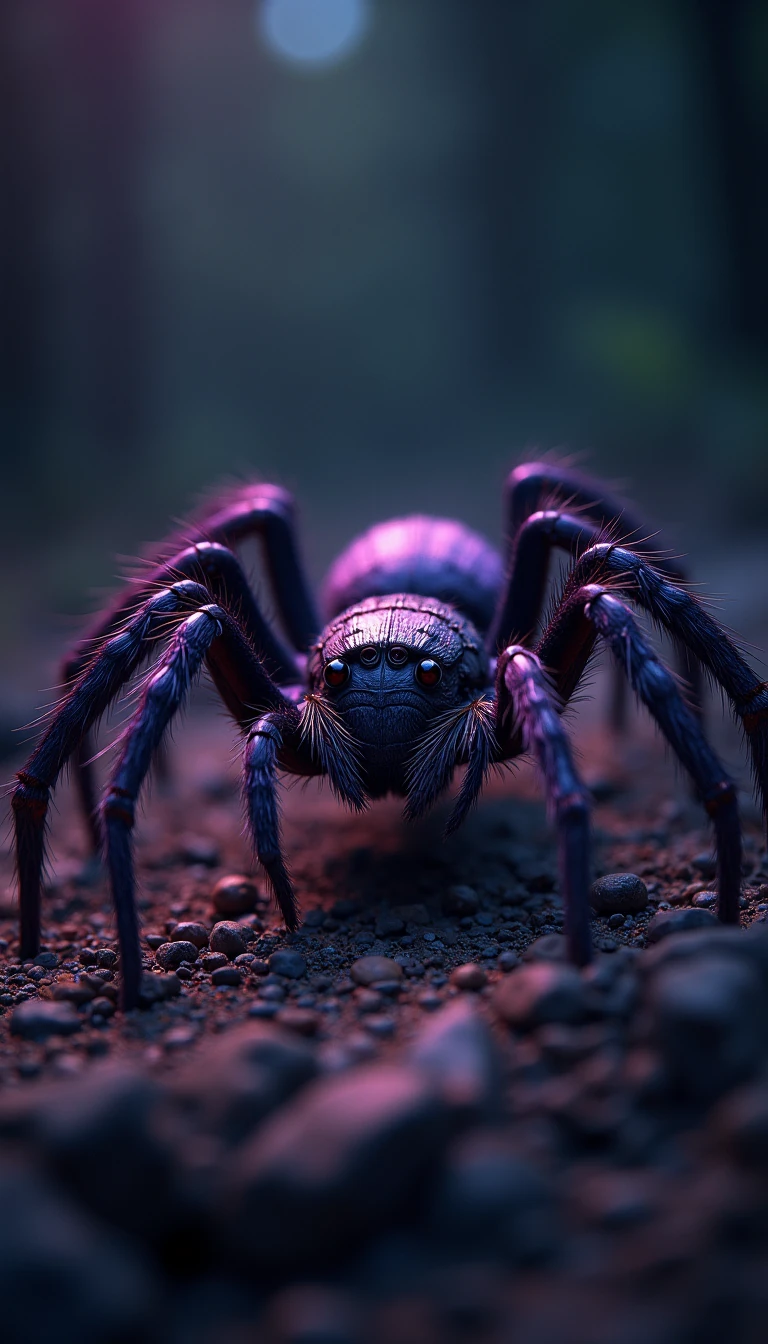
In short: For decades, the iconic Mexican redknee tarantula was misidentified as a different species. While enthusiasts prized the spider, scientists struggled to distinguish it from its lookalike, B. smithi. It was not until 2017 that DNA barcoding and morphological analysis finally clarified the identity of this elusive, long-lived arachnid.
The confusion surrounding Brachypelma hamorii stems from its striking resemblance to B. smithi. Both species share the common name Mexican redknee tarantula and were frequently conflated in literature. The taxonomic history is particularly tangled; B. smithi was described in 1897, but subsequent descriptions—including a 1994 account by A. M. Smith—actually depicted B. hamorii. It was only in 1997 that Marc Tesmoingt, Frédéric Cleton, and Jean Verdez formally described B. hamorii, noting subtle differences in female spermathecae. However, misidentification persisted until J. Mendoza and O. Francke definitively separated the two in 2017 using DNA barcoding of the mitochondrial gene cytochrome oxidase I.
Physically, these spiders are masters of their environment. Native to the hilly deciduous tropical forests of Mexico’s Colima, Jalisco, and Michoacán states, they construct deep, silk-lined burrows to escape predators like the white-nosed coati. These burrows are architectural feats, featuring specialized chambers for molting and resting. Because their exoskeleton cannot stretch, they must periodically shed it. This process is energy-intensive; the spider turns on its back, wiggles to loosen the old shell, and remains vulnerable for weeks afterward while its new fangs harden.
Despite their docile nature and popularity in the pet trade, these tarantulas face significant threats. They were added to CITES Appendix II in 1994 to curb over-collection. Beyond legal and illegal trade, they suffer from habitat-based persecution, as local populations sometimes destroy them due to myths and irrational fear. While females can live up to 30 years, their slow maturation and the ongoing smuggling of wild-caught specimens—with thousands exported to the US and Europe shortly before 2017—leave the long-term stability of their wild populations uncertain.
Opens the Intellect+ feed with this card first. Swipe up for the next one.
Sources
- Summary by Intellect · source: Brachypelma hamorii
- Also: iNaturalist — Mexican Orangeknee Tarantula (Brachypelma hamorii) · CC BY-SA 4.0 (Wikipedia summary)
To cite this card, link to https://intellectplus.co.uk/app/nature-brachypelma-hamorii.
How we source, check and correct cards: Editorial standards.
General information, not professional advice. Spotted an error? Flag the card or see corrections and complaints.
Intellect Plus is a visual educational discovery platform for exploring fascinating facts and ideas. Brain Food, Not Brain Rot. What is Intellect Plus?
Related
More in Arthropods · More in Nature · Latest · A–Z · All topics
