Over half of the global population lives in areas prone to climate-related hazards
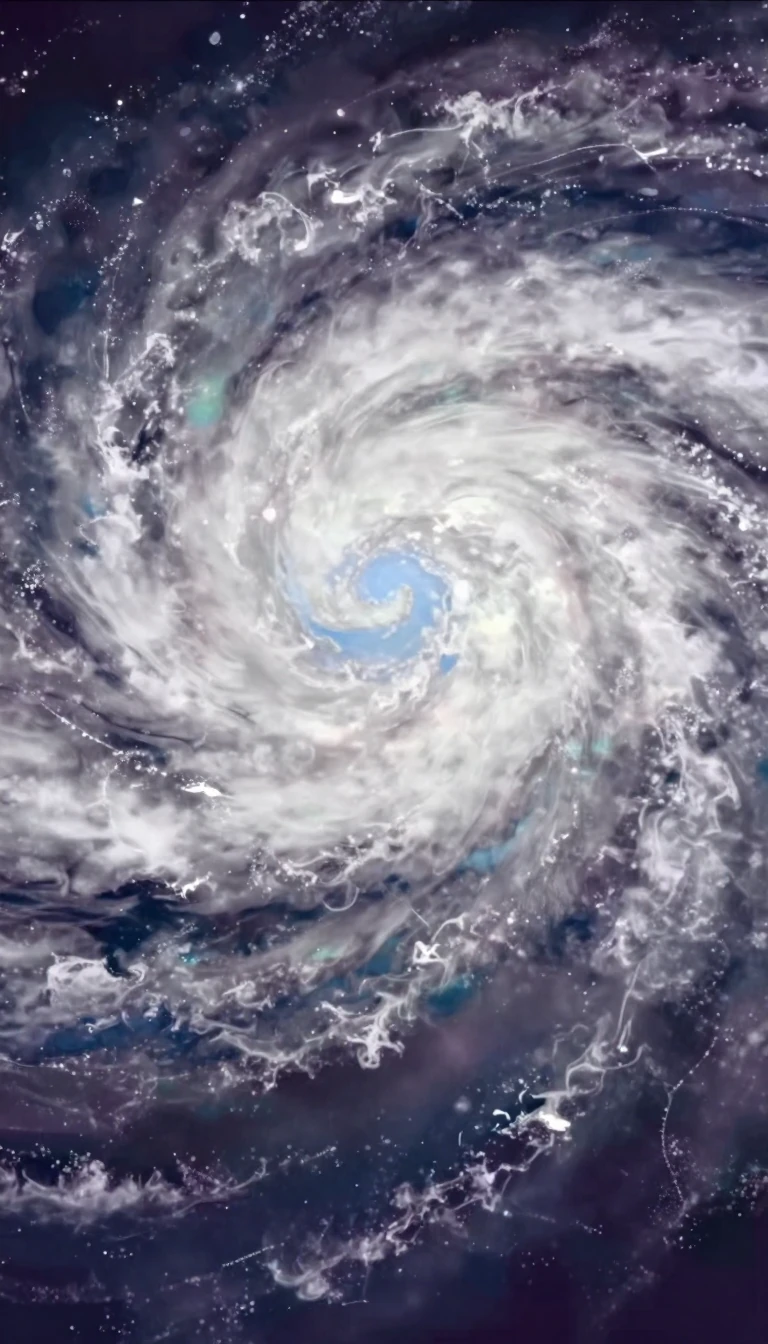
In short: Climate change is not a uniform threat. While 4.5 billion people—roughly 57 percent of the world—face exposure to floods, droughts, cyclones, or heatwaves, the true danger lies in vulnerability. Exposure is merely where you live; vulnerability is whether you have the resources to survive when the hazard strikes.
Exposure is defined by the probability of a hazard occurring. Researchers use a 100-year return period, meaning an area is considered exposed if there is a 1 percent chance of a significant weather event—such as a flood or cyclone—striking in any given year. Over a standard 72-year human lifespan, this creates a 52 percent probability of experiencing such an event. In 2024, this threshold placed 4.5 billion people in the path of at least one major climate hazard.
However, physical exposure is only half the equation. The World Bank distinguishes between physical and economic vulnerability to explain why the same storm can be a minor inconvenience for some and a life-altering catastrophe for others. Physical vulnerability is assessed through access to essential services like clean water, electricity, and infrastructure. Economic vulnerability is determined by income levels, education, and access to financial services or social safety nets.
These factors dictate a population's capacity to cope, adapt, and recover. When these systems are weak, the impact of a climate event becomes a long-term livelihood shock. While no country is entirely free from exposure, the percentage of populations living in high-risk zones varies from less than 1 percent to 100 percent. Understanding these underlying social and economic structures is essential for effective climate risk management, as they define the starting point for how communities respond to an increasingly volatile environment.
Opens the Intellect+ feed with this card first. Swipe up for the next one.
Sources
- Summary by Intellect · source: Exposure, Vulnerability, and Adaptation to Climate Hazards | Atlas of Global Development
- Also: Climate change vulnerability
To cite this card, link to https://intellectplus.co.uk/app/nature-climate-change-vulnerability.
How we source, check and correct cards: Editorial standards.
General information, not professional advice. Spotted an error? Flag the card or see corrections and complaints.
Intellect Plus is a visual educational discovery platform for exploring fascinating facts and ideas. Brain Food, Not Brain Rot. What is Intellect Plus?
Related
More in Air · More in Nature · Latest · A–Z · All topics
