The common seadragon is a master of camouflage that drifts like floating seaweed
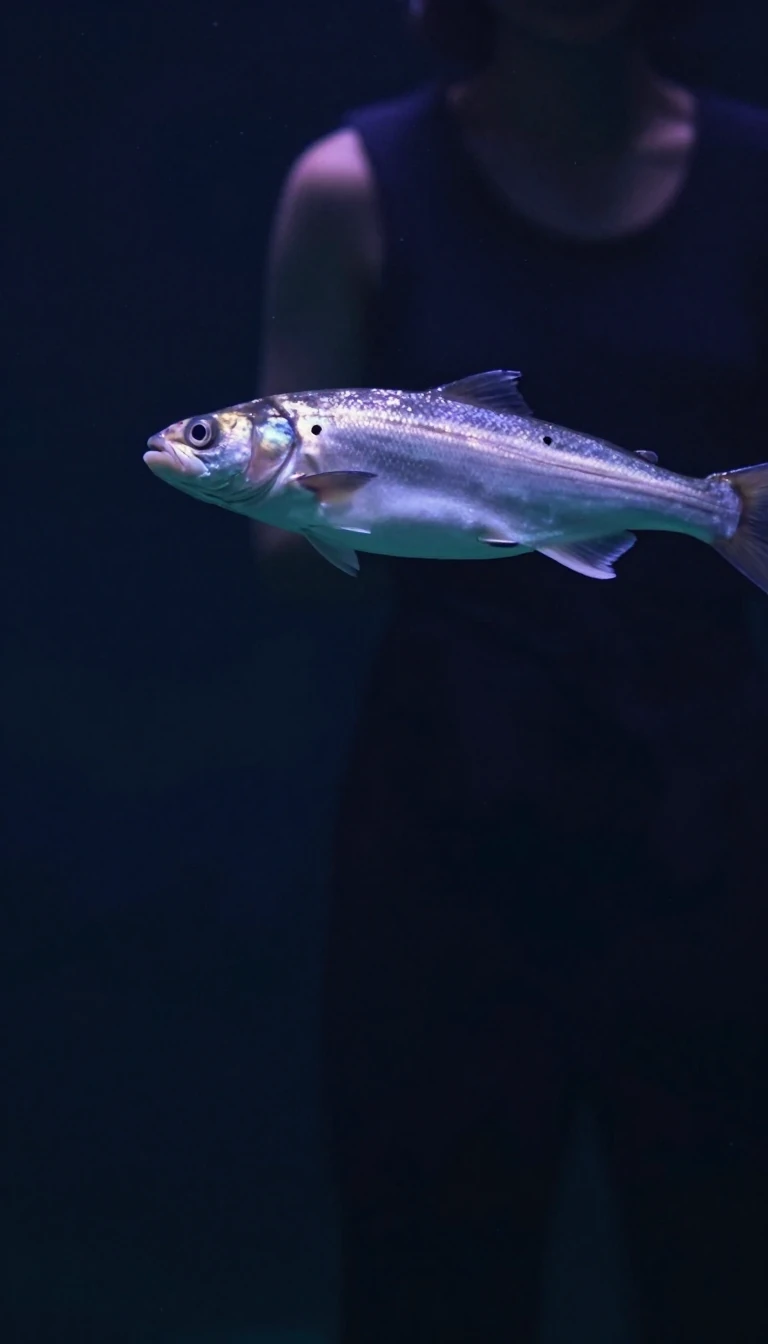
In short: Resembling a piece of kelp, the common seadragon uses leaf-like appendages to vanish into Australian coastal waters. While it shares a family with seahorses, this slow-moving fish lacks a gripping tail, choosing instead to tumble through the currents. Surprisingly, it is the male that carries the developing eggs until birth.
The common seadragon, or Phyllopteryx taeniolatus, is a unique marine fish endemic to the coastal waters of southern Australia. Reaching lengths of up to 45 centimeters, these creatures are easily identified by their reddish bodies, which feature yellow and purple markings and small, frond-like protrusions. These appendages provide essential camouflage, allowing the fish to blend seamlessly into the rocky reefs, seagrass meadows, and seaweed beds they inhabit at depths between 10 and 30 meters. Unlike their seahorse relatives, seadragons do not possess a prehensile tail to anchor themselves; they simply drift with the current, relying on their mimicry to avoid predators.
Reproduction in this species is a complex affair. Females deposit roughly 120 eggs onto a spongy area on the underside of the male's tail. The male then fertilizes and incubates these eggs for approximately one month before the independent young hatch. Despite their fascinating biology, common seadragons are notoriously difficult to breed in captivity. Researchers have struggled to identify the specific environmental triggers for mating, though recent successes at facilities like the Melbourne Aquarium have highlighted the importance of precise light, temperature, and water flow adjustments. Captive environments also present health risks, as these fish are susceptible to various infections and diseases if conditions are not perfectly maintained.
Currently classified as Vulnerable on the IUCN Red List, the species faces significant threats from habitat degradation and the loss of seagrass and canopy seaweed. While some researchers have pointed to citizen science data suggesting a 59% population decline between 2011 and 2021 due to marine heatwaves, others argue that the available data is too sparse to confirm such trends. Regardless of the exact population trajectory, the common seadragon remains a vital indicator of ecosystem health. As a flagship species, it serves as a reminder of the unique biodiversity found along Australia's southern coastline, prompting conservation efforts like the 'Dragon Search' program to monitor their presence in the wild.
Opens the Intellect+ feed with this card first. Swipe up for the next one.
Sources
- Summary by Intellect · source: Common seadragon
To cite this card, link to https://intellectplus.co.uk/app/nature-common-seadragon.
How we source, check and correct cards: Editorial standards.
General information, not professional advice. Spotted an error? Flag the card or see corrections and complaints.
Intellect Plus is a visual educational discovery platform for exploring fascinating facts and ideas. Brain Food, Not Brain Rot. What is Intellect Plus?
Related
More in Vertebrates · More in Nature · Latest · A–Z · All topics
