The chicken-sized dinosaur that fundamentally changed our understanding of bird evolution
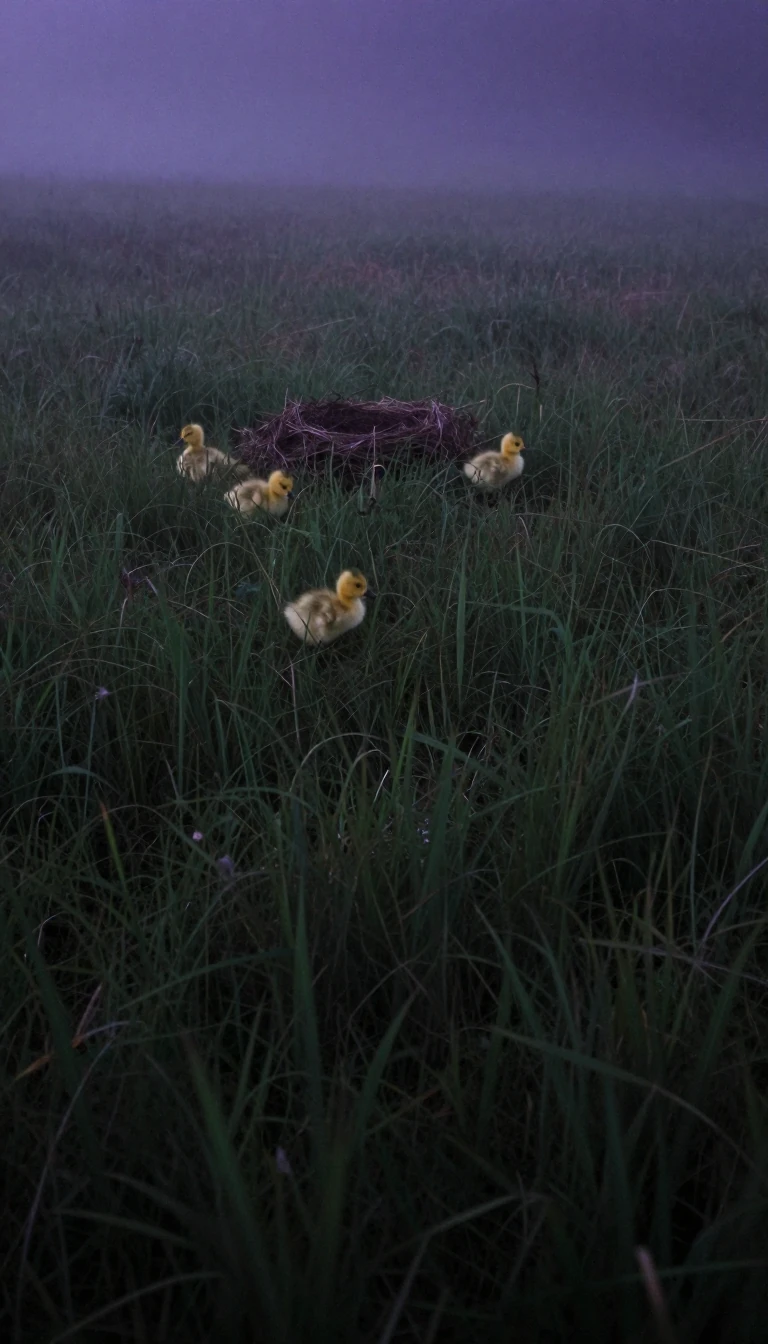
In short: Compsognathus was once dismissed as a mere lizard, but this tiny predator eventually became the centerpiece of a scientific revolution. By revealing striking similarities to early birds, this small dinosaur forced paleontologists to reconsider the deep, ancestral link between the giants of the Jurassic and the creatures in our skies today.
Living during the Late Jurassic Period, roughly 161 to 146 million years ago, Compsognathus was a diminutive, bipedal carnivore. While early descriptions often characterized it as a lizard-like curiosity, it is now recognized as a theropod dinosaur. Its name, derived from Greek, reflects its delicate, elegant jaw structure. For much of the 20th century, it held the distinction of being the smallest-known non-avialan dinosaur, typically reaching the size of a modern chicken with a total length of about 60 to 90 centimeters.
The history of Compsognathus is defined by two exceptionally well-preserved skeletons. The first was discovered in Germany during the 1850s, though its exact origin remains obscured by the secretive practices of its original collector, Joseph Oberndorfer. It was later acquired by the paleontological state collection in Munich. A second, larger specimen was unearthed in France in the early 1970s. While researchers initially debated whether the French find represented a distinct species, it is now widely accepted as a larger, more mature example of the same genus.
The scientific significance of Compsognathus exploded in the late 1860s when Thomas Huxley compared the German specimen to Archaeopteryx. By highlighting their structural parallels, Huxley argued that birds evolved directly from dinosaurs—a radical claim that transformed the dinosaur from a forgotten fossil into a pivotal evolutionary bridge. Today, the genus remains one of the few dinosaurs with a diet confirmed by direct evidence, as the fossilized remains of small, agile lizards have been found preserved within the stomach cavities of both known specimens.
Beyond its evolutionary importance, Compsognathus serves as a reminder of how fragmentary the fossil record truly is. Paleontologists estimate that all known dinosaur remains represent less than 0.0001 percent of the individuals that once existed. Because many early dinosaur names were based on incomplete or misidentified material, the rigorous re-examination of specimens like those of Compsognathus has been essential in refining our broader understanding of Mesozoic diversity.
Opens the Intellect+ feed with this card first. Swipe up for the next one.
Sources
- Summary by Intellect · source: Compsognathus | Size, Evolution & Facts | Britannica
- Also: Compsognathus
To cite this card, link to https://intellectplus.co.uk/app/nature-compsognathus.
How we source, check and correct cards: Editorial standards.
General information, not professional advice. Spotted an error? Flag the card or see corrections and complaints.
Intellect Plus is a visual educational discovery platform for exploring fascinating facts and ideas. Brain Food, Not Brain Rot. What is Intellect Plus?
Related
More in Vertebrates · More in Nature · Latest · A–Z · All topics
